
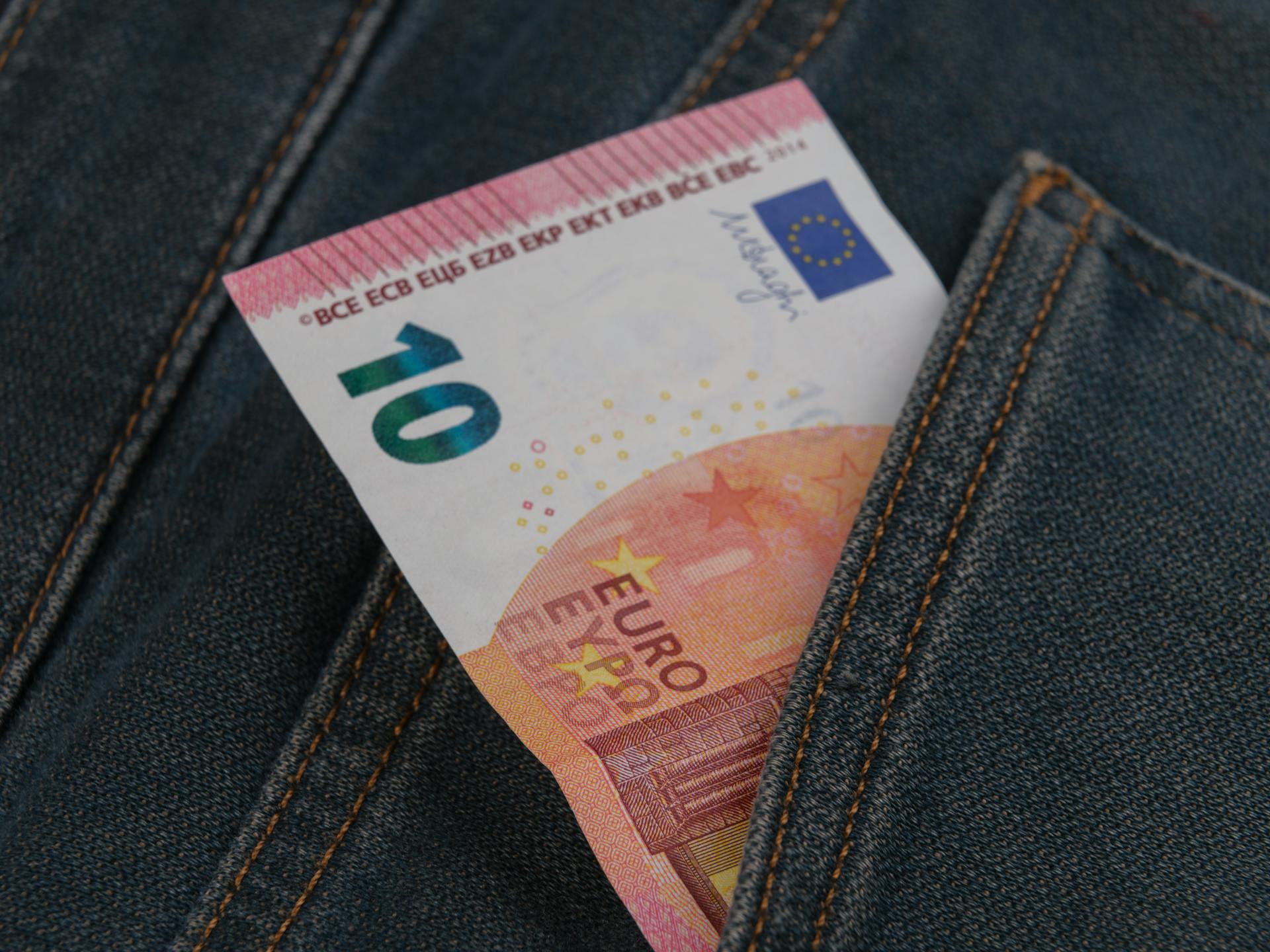
European minimum wage landscape splits into three regional paths
Cyprus was among the countries that posted solid gains in real minimum wages in 2026, even as inflation continued to erode purchasing power across much of Europe, according to an analysis by BestBrokers examining wage trends between 2022 and 2026.
The study found that, while statutory minimum wages have risen sharply across Europe in recent years, the benefit to workers has varied widely once inflation is taken into account.
In Cyprus, the analysis showed that the minimum wage stood at €1,088 in 2026, with real annual growth of 7.9 per cent, placing it among the stronger performers in Europe.
At the same time, the real loss in the wage’s value was put at €9.70, leaving its real value at €977.52.
The report identified a clear divide in the European minimum wage landscape, moving away from a unified trend toward three distinct regional trajectories.
The first group consists of the high-wage western core, which has remained largely stagnant with very little movement in wage levels.
In contrast, a catch-up bloc in central and eastern Europe is seeing significant progress, as consistent wage increases are successfully translating into stronger real gains for workers.
A smaller group of countries, meanwhile, faces a more critical situation where wages have completely flattened, causing economic damage that currently outweighs the impact of inflation.
The highest statutory minimum wages in 2026 were recorded in Luxembourg (€2,704), Ireland (€2,391) and Germany (€2,343), while the lowest were found in Bulgaria (€620) and Latvia (€780). According to the analysis, the gap between western and eastern Europe remains wide, despite some gradual convergence.
BestBrokers said the strongest real wage growth between 2025 and 2026 was concentrated almost entirely in central and eastern Europe, led by Hungary with 16.93 per cent, followed by Czech Republic with 10.86 per cent and Bulgaria with 10.42 per cent.
Cyprus came next with 7.9 per cent, ahead of Lithuania with 7.78 per cent, Germany with 6.42 per cent, Croatia with 4.35 per cent, Portugal with 3.61 per cent, Latvia with 3.01 per cent and Greece with 3 per cent.
The report said this reflected a reversal of earlier crisis dynamics, with parts of eastern Europe now recording some of the fastest real wage convergence in the European Union.
In those countries, aggressive nominal wage increases combined with lower inflation meant that much of the rise translated into genuine gains in purchasing power.
In western Europe, however, the picture was more subdued. The analysis found that countries such as Germany and Ireland still recorded positive real gains, but part of the nominal increase was absorbed by lingering inflation.
In Luxembourg and Belgium, by contrast, relatively modest inflation was enough to reduce the effect of wage adjustments further, leaving only limited real improvement.
The report also pointed to a group of countries where the main problem was no longer inflation volatility, but wage inertia.
Spain, Slovenia and Estonia were cited as cases where minimum wages remained effectively frozen year-on-year, meaning even low inflation was enough to generate real losses.
Romania stood out more sharply, as the data showed both a nominal decline and a deeper real contraction, though the report noted that this reflected exchange-rate effects when converting local wages into euros rather than an actual cut in the statutory wage.
While most countries recorded only small declines in the real monthly value of wages in 2026, the largest absolute euro losses were seen in higher-wage economies.
Ireland, the Netherlands and Luxembourg posted some of the biggest losses in euro terms, which the report said was largely a reflection of their higher starting wage levels rather than more severe inflation.
However, Romania recorded the sharpest proportional loss in the dataset, despite starting from a much lower nominal wage base.
According to the analysis, that emphasised how lower-wage countries can still suffer some of the steepest declines in purchasing power when inflation is taken into account.
Looking at the longer period from 2022 to 2025, the report said the strongest real gains were again concentrated in central and eastern Europe.
Bulgaria recorded a 35.65 per cent gain, followed by Poland with 32.21 per cent and Croatia with 25.16 per cent. These countries not only offset inflation but outpaced it, helped by repeated minimum wage increases during the inflation shock.
By contrast, western European economies showed a more restrained pattern. Countries such as Germany and Ireland still managed solid real gains over the period, but these were the result of more gradual increases that broadly tracked inflation rather than clearly outstripping it.
Elsewhere, Spain and the Netherlands showed that even consistent nominal increases could produce only modest real improvements when inflation remained persistent.
The weakest performers over the 2022–2025 period, meanwhile, were countries where wage adjustments came too slowly during the height of the inflation spike.
Slovakia, the Czech Republic and especially Hungary saw cumulative inflation outpace wage growth, resulting in an overall loss in purchasing power despite nominal wage increases.
The analysis suggested that Europe’s minimum wage story is no longer defined simply by whether wages are rising, but by how quickly governments respond to inflation and whether nominal increases are large enough to protect living standards.
In Cyprus, the latest data points to a comparatively strong outcome in 2026, although inflation still trimmed part of the gain in real terms.




Click here to change your cookie preferences