
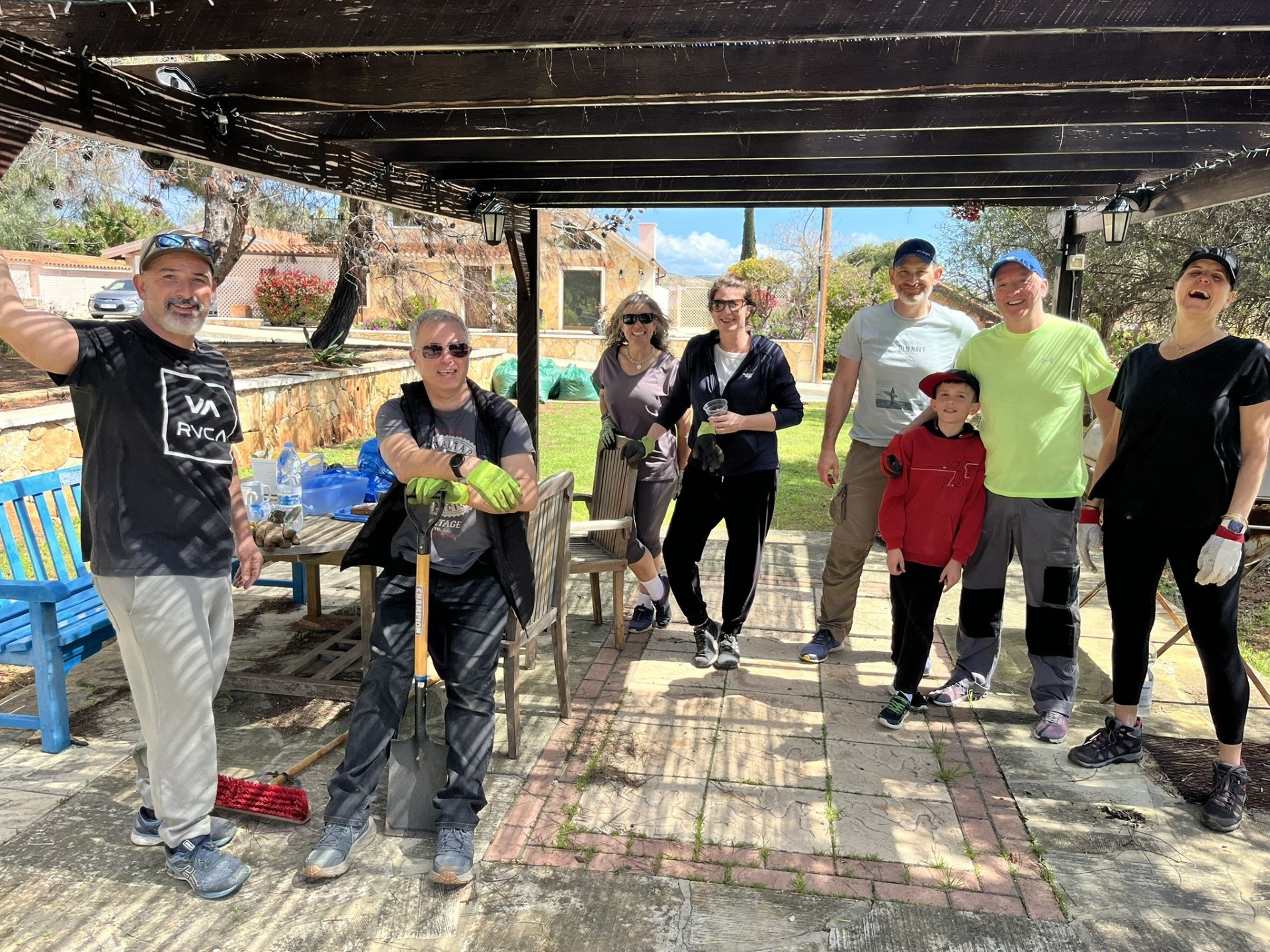
How a multi-cultural housing estate pulled together to recover after last year’s devastating Limassol fire
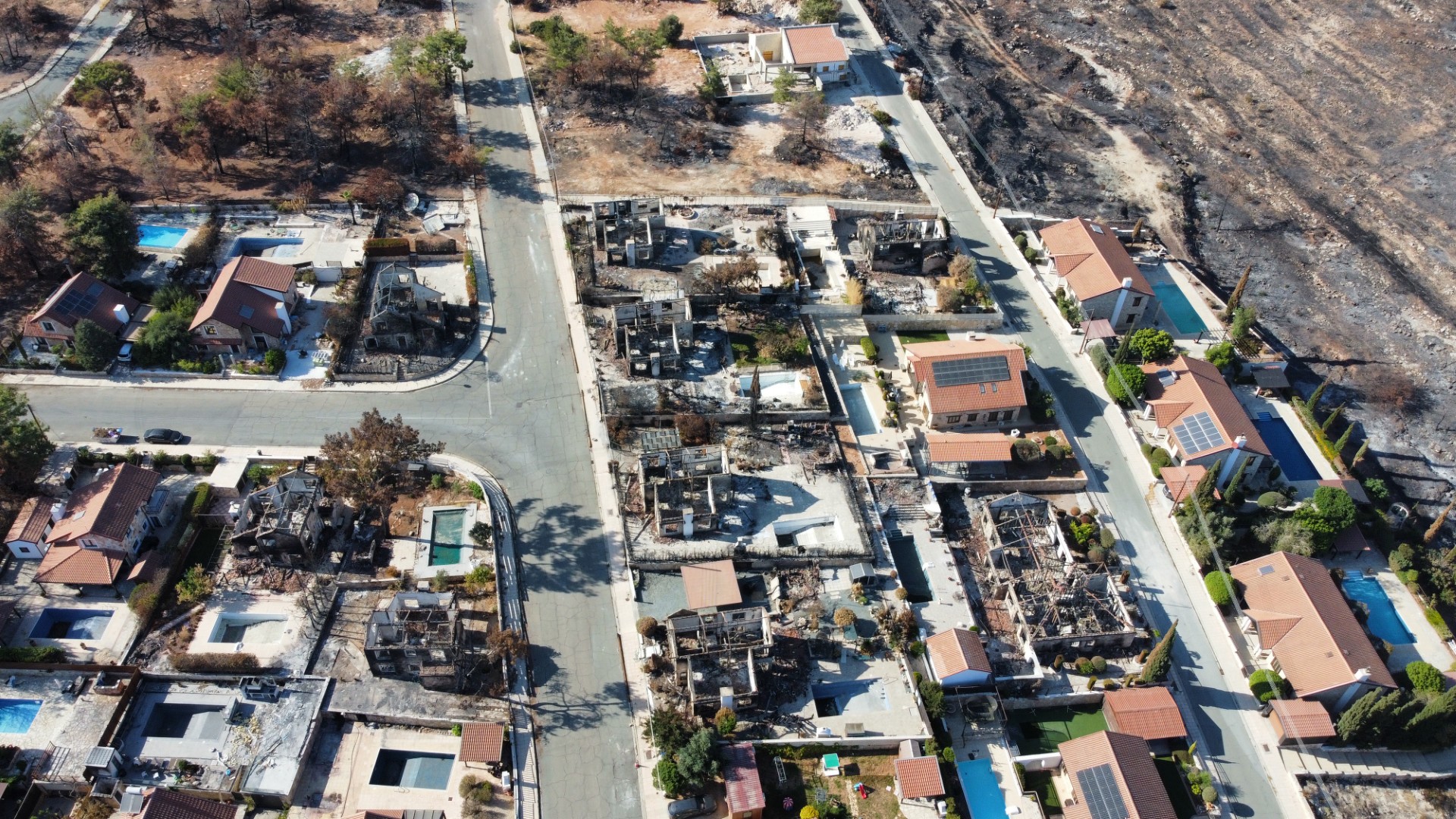
Last July, a wildfire swept through the hills above Souni-Zanakia, destroying homes, killing two people and leaving a quiet residential community facing sudden disaster. Months later, the Country Rose estate still bears the scars but amid the loss, a story of resilience, solidarity and hope has emerged.
For Iain Dell, a retired crisis response planner with decades of experience responding to emergencies worldwide, from hurricanes in the Caribbean to conflicts in Afghanistan, the fire was both personal and professional. He was abroad when it broke out, following developments online and trying to piece together what was happening to his home from thousands of kilometres away.
“In any emergency, informing the public is absolutely critical,” he said. “People need timely, accurate updates so they can take action to protect themselves.”
As the flames spread, residents felt the danger closing in. Some fled, while others stayed. Among them was Ohad Golan, who spent the night defending his home and those of his neighbours, using a pump and water from his swimming pool in darkness, without electricity or running water.
“What I remember most is the feeling that everything around us was under threat,” Golan said. “It was pitch black, and for a long time it felt like we were completely alone.”
Dell and his wife, fearing the worst for their own home, received word at 4am that their property had survived, though their garden was destroyed. The estate’s residents come from all over the world: Cypriots, Israelis, Russians, Ukrainians, British, Lebanese, Germans.
Amid the crisis, differences were set aside. “I saw Israelis working with Arabs, Russians with Ukrainians,” Dell said. “Nobody cared about politics or backgrounds. People just helped each other.”
In the months that followed, the community rolled up its sleeves. They organised clean-ups, planted trees, painted walls and cleared litter. They celebrated Christmas with hot wine, marked Halloween collectively, and found comfort in small acts of normality.
After fire-damaged homes were repeatedly raided, residents established a Neighbourhood Watch, keeping an eye on each other’s properties and alerting police when necessary. Even amid destruction, they refused to wait for help – they became the help themselves.
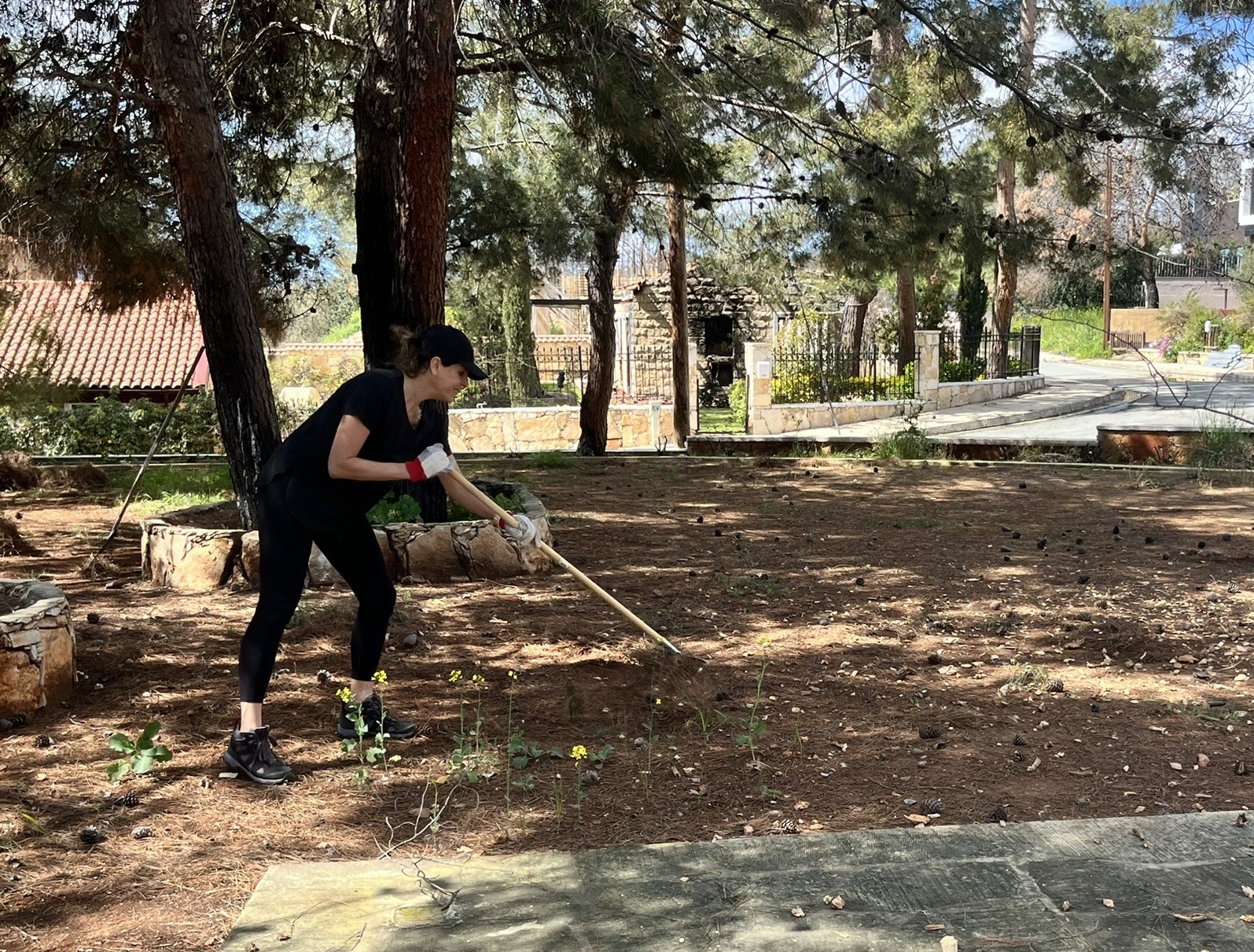
Last month, residents gathered to restore a local park, turning the effort into a symbol of recovery and pride.
“The park represents something bigger,” Dell said. “It’s about taking something destroyed and turning it into something positive.”
For children growing up in this multicultural community, the park is more than grass and benches, it is a place to play, form friendships and learn cooperation across languages and cultures.
“You see kids switching between English, Russian, Greek, even Arabic,” Dell said. “It puts us adults to shame. They show what’s possible.”
While Dell notes that community spirit should never replace proper emergency planning, he also celebrates what the residents achieved together. The fire may have tested the estate, but it also revealed the best of human nature: courage, compassion and an unwavering willingness to help others.
With 14 homes destroyed and many still awaiting basic clearance, the residents of Country Rose estate have shown that from tragedy, a stronger, more connected community has emerged: one that refuses to be defined by loss and instead embraces what it can build together.
“We’ve seen the worst,” Dell said. “But we’ve also seen the best of people.”


Click here to change your cookie preferences