
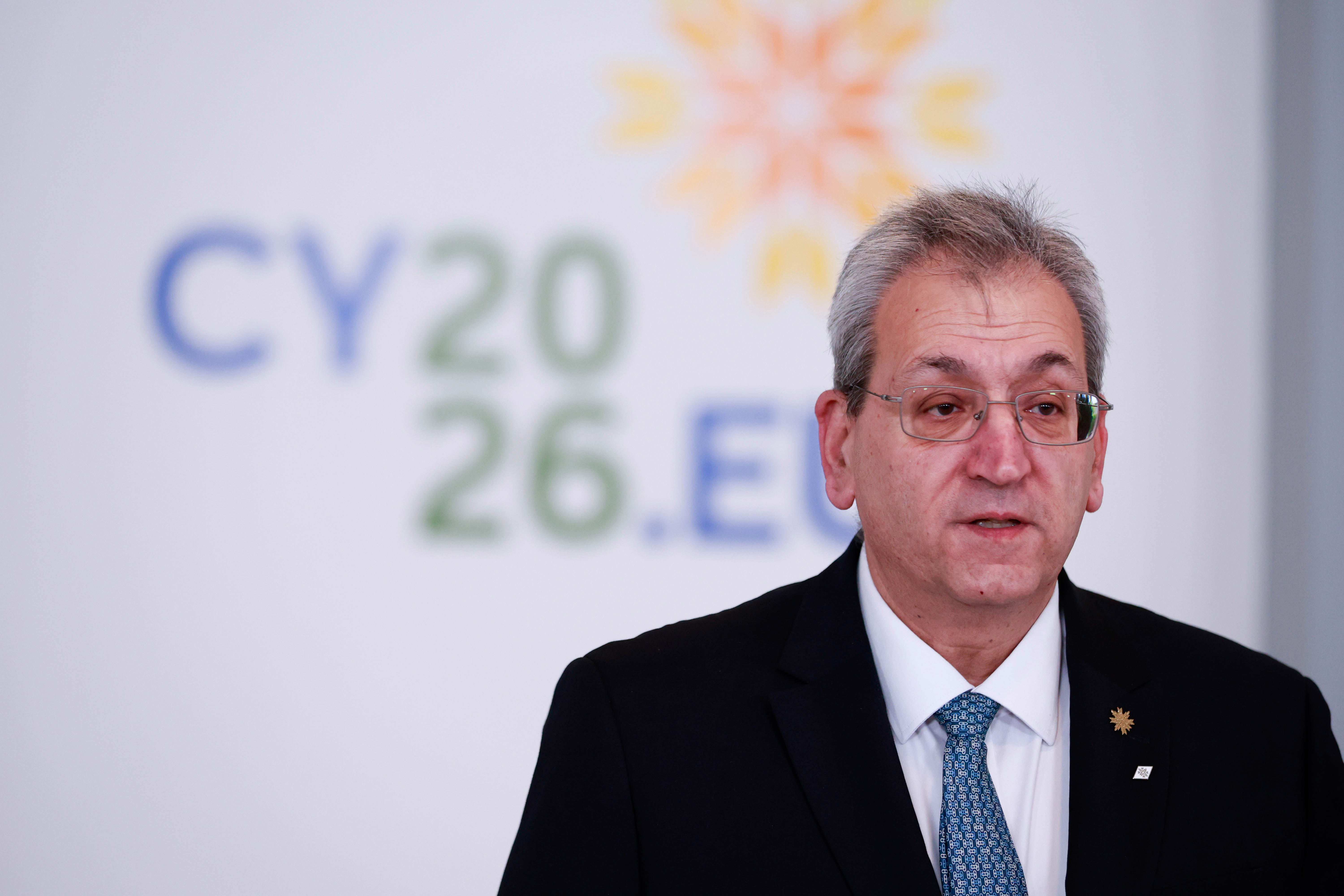
The government will halt borrowing from the social insurance fund (SIF) and begin repaying an estimated €12 billion debt, Labour Minister Marinos Mousiouttas affirmed on Tuesday.
Addressing stakeholders and trade unionists at a conference of the labour advisory body, Mousiouttas described the move as a “structural shift in how the state manages pension-related finances”, with an emphasis on safeguarding long-term sustainability while limiting pressure on public debt.
“The first thing that has been achieved is that borrowing is being terminated,” he said, adding that the government is now working to determine “the formula by which this money will gradually come back to the SIF,” including the timeframe for repayment.
The SIF, which underpins Cyprus’ first pillar pension system, has historically been used by the state as a source of internal borrowing.
Mousiouttas indicated that ending this practice requires careful fiscal handling.
If alternative borrowing becomes necessary, it could affect headline public debt figures, as previous internal borrowing from the fund had not been included in those calculations.
Under the revised framework, annual surpluses generated by the fund will no longer be absorbed into general government financing.
He further explained that responsibility for managing the fund’s surpluses will shift away from the finance ministry adding that both future surpluses and repayment instalments would be channelled directly into a dedicated SIF account.
The minister stated that the current debt stands at €12 billion, while projected surpluses over a 50-year horizon could reach between €50 billion and €60 billion.
He described the fund’s current investment profile as conservative, with approximately 95 per cent held in government bonds and the remainder deposited in domestic banks.
The announcement comes as part of broad pension reform efforts, with the government maintaining its timeline for legislative changes to the first pillar.
Mousiouttas reiterated that a bill is expected to be submitted to parliament by June, with discussions to follow in September and implementation targeted for January 2027.
Mousiouttas said a technical committee would be established immediately to examine key parameters, including “whether participation will be mandatory, how benefits will be distributed and under what conditions withdrawals or borrowing may be permitted”.
Employers and trade unions have argued that both pillars should be designed in full before implementation begins, while the government is advancing a phased approach.




Click here to change your cookie preferences