
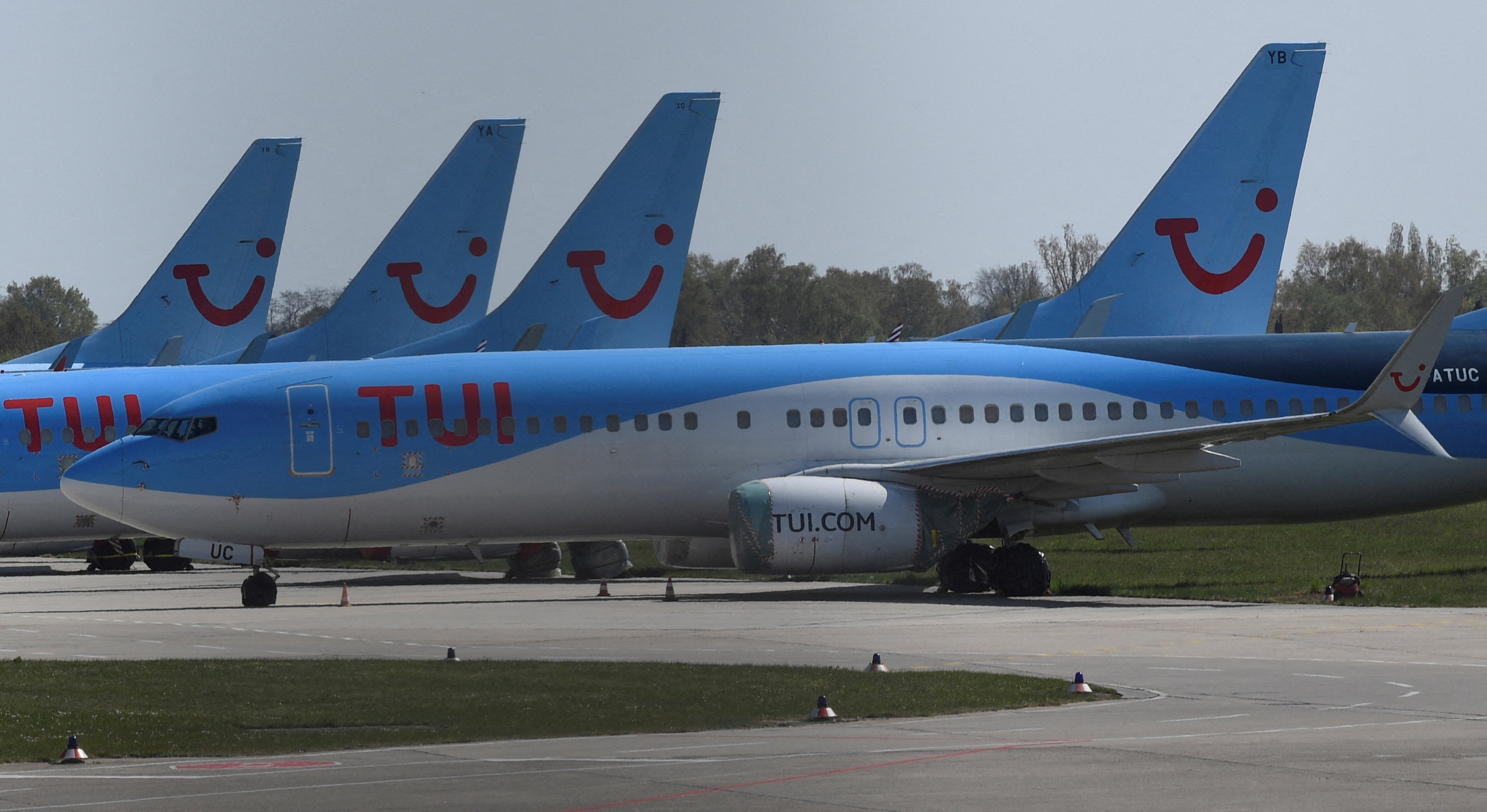
Tour operator Tui cut its operating profit guidance and withdrew its revenue forecast this week, saying the war in Iran had clouded demand and hit bookings to parts of the eastern Mediterranean, sending its shares down 2.6 per cent.
Europe’s largest travel operator said customers had partly shifted from eastern Mediterranean destinations to the western Mediterranean, with demand weakening in particular for Turkey, Cyprus and Egypt.
The group, which operates its own airline fleet and hotels and is therefore more exposed to travel disruption and fuel pressures, joined carriers including easyJet and Wizz Air in warning about the fallout from the Iran conflict.
Tui said it now expects underlying earnings before interest and taxes (EBIT) for the financial year ending September 30, 2026 to come in at between €1.1 billion and €1.4 billion.
Previously, it had guided for growth of 7 to 10 per cent from €1.4bn in 2025.
“While continuing to show strong operational improvement in the first half of the financial year 2026, the ongoing conflict in the Middle East and the uncertainty around its duration continue to limit short-term visibility and make consumers cautious,” the company said.
That caution is also showing up in booking behaviour, with travellers waiting longer before committing to holidays and reserving trips closer to departure. Britain’s easyJet flagged a similar trend earlier this month.
For the second quarter, Tui said it expects an improvement in emphasising EBIT, at constant currency, of between €5m and €25m, compared with a loss of €207m in the same period last year.
The company added that 83 per cent of its jet fuel needs for the coming summer had been hedged, helping it absorb some of the volatility in fuel markets.
Since the conflict escalated following the US-Israeli attacks on Iran on February 28, Tui said it had repatriated around 10,000 people in March, including about 5,000 passengers from the cruise ships Mein Schiff 4 and Mein Schiff 5.
Bernstein analysts said Tui’s shares had already reflected part of the pressure, noting that the stock has fallen 25 per cent over the past three months.
European airlines are due to report first-quarter results next week, with analysts expecting a broader decline in passenger traffic and further profit warnings as tighter jet fuel supplies and higher costs weigh on the sector.





Click here to change your cookie preferences