
There is no specific therapy for hantavirus infection
Three people have died and three are ill after a Netherlands-based cruise ship was hit by a suspected outbreak of hantavirus, a rodent-borne virus that can cause fatal respiratory illness, authorities and media reports said on Sunday.
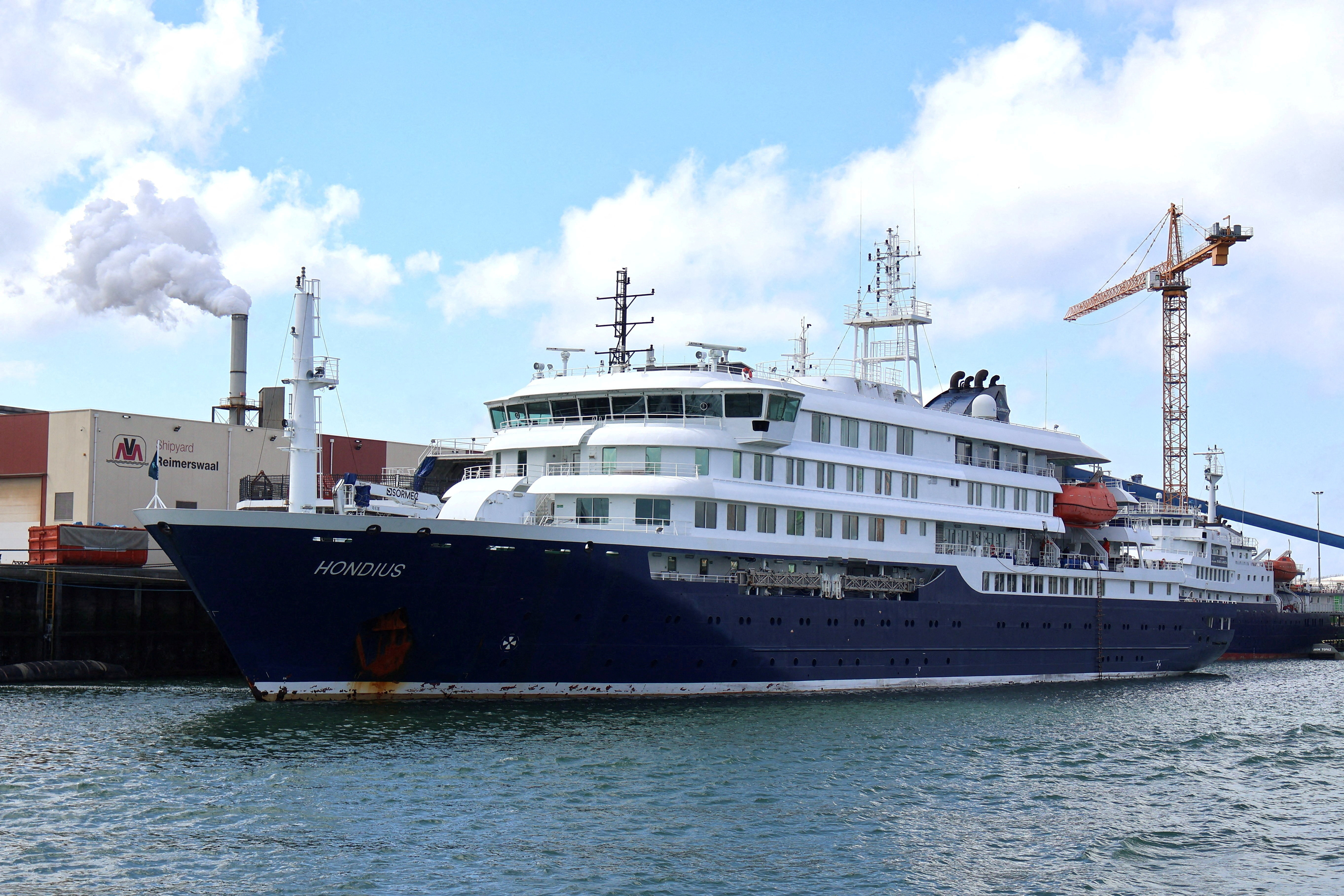
Netherlands-based Oceanwide Expeditions said in a news release it was “managing a serious medical situation” on a polar expedition ship, the MV Hondius, which was off Cape Verde, an island nation in the Atlantic west of Africa.
The cruise departed from Argentina about three weeks ago with around 150 passengers and stopped in the Antarctic and other locations on its way to Cape Verde, according to media reports.
A Dutch Foreign Ministry spokesperson confirmed that two Dutch passengers had died, but gave no further details.
The World Health Organization said in an X post that one of the sick passengers was in intensive care in South Africa. Sky News reported the passenger is British, citing South Africa’s Department of Health.
What is the hantavirus
According to The Lancet medical journal, the name comes from the Hantan River area of South Korea, where the virus was identified in the 1970s.
CAN BE FATAL
Hantavirus is a family of viruses that cause two illnesses, one that primarily affects the lungs and the other that attacks the kidneys. The first gets the most attention because it has a high fatality rate of about 40%.
Hantavirus pulmonary syndrome, the respiratory illness, is most commonly found in North and South America.
According to the Canadian government, about 200 cases of hantavirus pulmonary illness occur each year worldwide.
Concert pianist Betsy Arakawa, wife of actor Gene Hackman, died from hantavirus pulmonary syndrome in New Mexico in 2025, according to autopsy results.
SYMPTOMS
Hantavirus usually begins with flu-like symptoms, such as fatigue and fever, one to eight weeks after exposure, according to the CDC.
Four to 10 days later, coughing, shortness of breath and fluid in the lungs appear.
Diagnosis in the first 72 hours of infection is difficult, the CDC says, so symptoms can easily be mistaken for flu.
TREATMENT
There is no specific therapy for hantavirus infection, so treatment focuses on supportive care including rest and fluids. Patients may need breathing support such as a ventilator.
PREVENTION
Experts say exposure to hantavirus can be minimized by deterring and eliminating rodents from areas where people are. Avoid vacuuming or sweeping dried droppings, which can aerosolize the virus.
WHO said it was investigating the outbreak. Lab tests have confirmed hantavirus in one of the six people, the agency said.
Oceanwide Expeditions said Cape Verde authorities had not given permission for passengers requiring medical care to disembark, and Dutch authorities were seeking to organize repatriation of two symptomatic passengers along with the body of a deceased passenger.
Hantavirus can be spread when droppings and urine of rodents become airborne, such as when people sweep out sheds where mice have been living. WHO said the virus can be spread between people in rare cases.
The illness begins with flu-like symptoms and can lead to heart and lung failure, with around 40% of cases resulting in death, according to the U.S. Centers for Disease Control.
There are no specific drugs to treat hantavirus, so treatment focuses on supportive care, including putting patients on ventilators in severe cases.
“WHO is facilitating coordination between member states and the ship’s operators for medical evacuation of two symptomatic passengers, as well as full public health risk assessment and support to the remaining passengers on board,” the WHO said.
The British Foreign Office and South Africa’s Department of Health did not immediately respond to requests for comment.




Click here to change your cookie preferences