
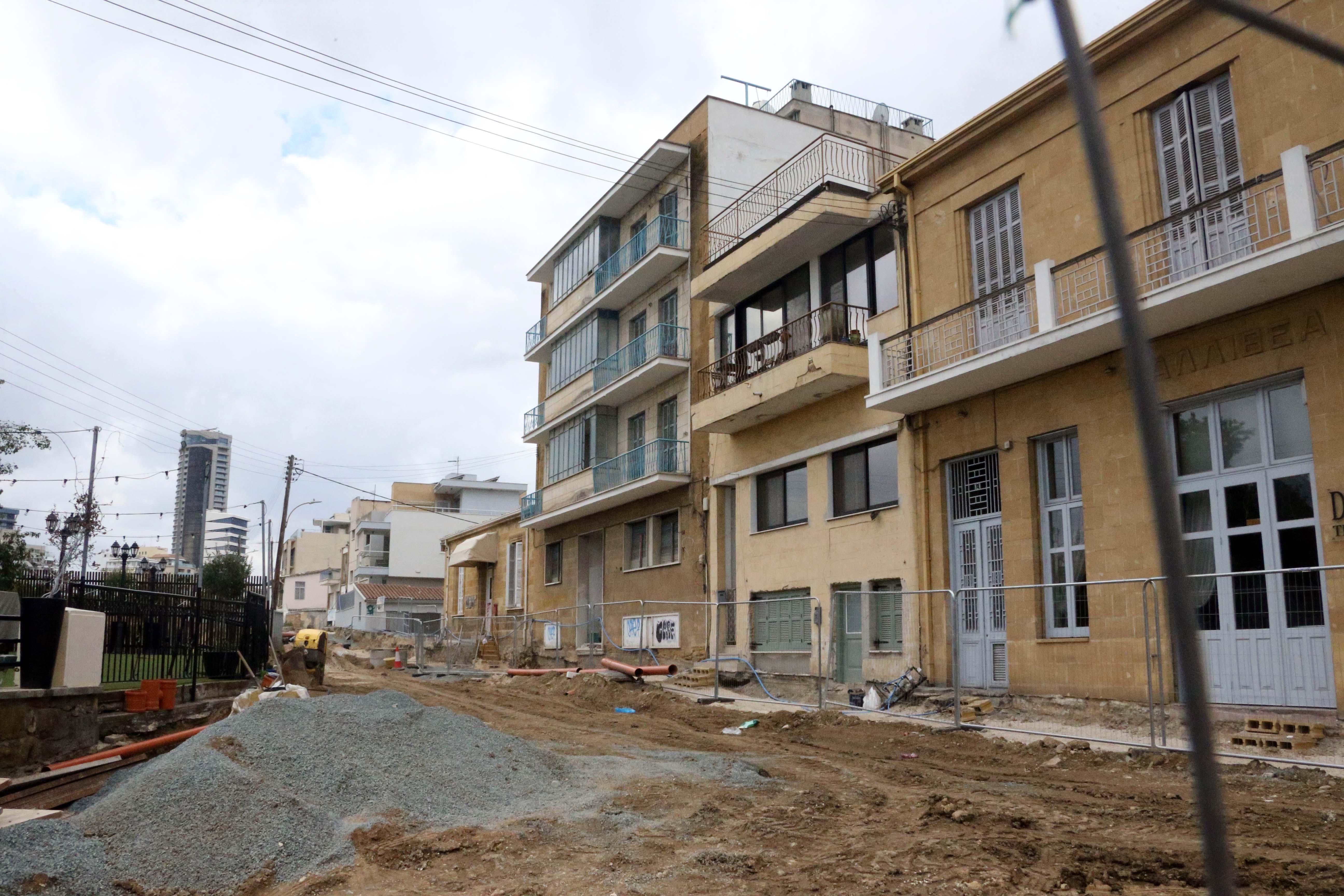
The twice-weekly market at Ochi in Nicosia is being relocated for about seven months, moving to a nearby parking lot, due to roadworks in the area.
This is not, in itself, big news – though it’s still news. The market includes dozens of farmers and small retailers who need space to load and unload their produce, usually all at the same time. It can’t be relocated just anywhere.
Still, the farmers will adapt. After all, they’ve been here before. Two years ago, the market was again relocated for a period of several months, so Nicosia municipality could carry out improvements.
Meanwhile, roadworks have been never-ending. The stretch of road to the east of the market was closed for many months, as was the road to the west, from Ochi roundabout to Eleftheria square. These are now open, or almost open, which is why the stretch of road outside the market itself is closing.
Previously, the road going north from Ochi – Trikoupi street – was closed (in sections) for over two years, devastating local businesses.
This latest closure is presumably the last, if only because the municipality have run out of roads to work on. Last week, however, work began on the revamp of Ledras and Onasagorou streets, down the road from Ochi – a three-phase project, with the first phase estimated to take about 18 months.
The whole thing would be comical, if it weren’t so concerning.
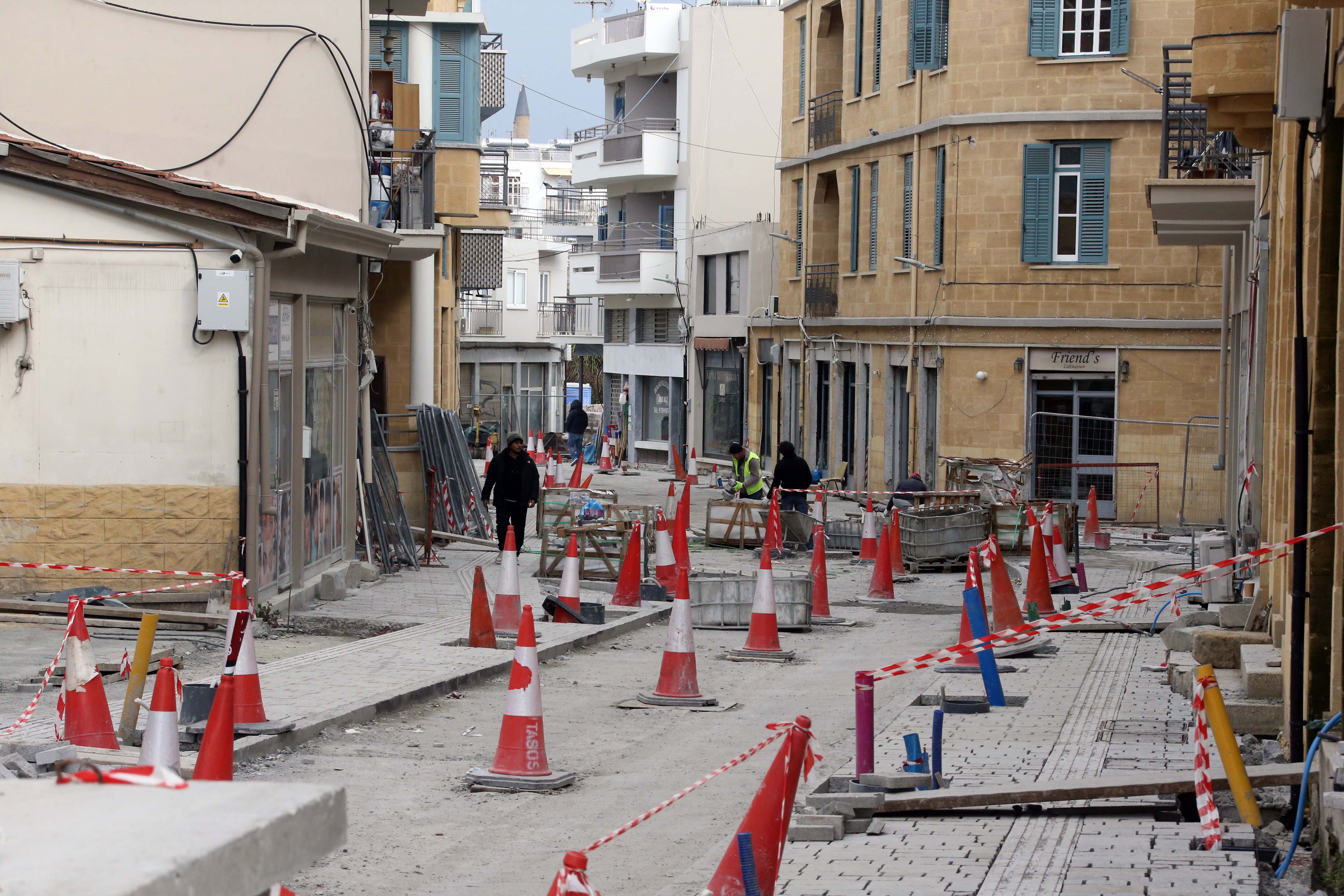
At the moment it’s more of a Nicosia problem – but it doesn’t have to be. The only reason why works are so concentrated in old Nicosia is that it’s a historic centre (and next to the buffer zone), so it’s easier to find EU funding for its beautification.
The larger point is the system that allows local authorities to carry out endless ‘improvement’ projects without having to show any pressing need for them, without being led (so it seems) by any rigorous cost-benefit analysis, and without being accountable for delays or the repercussions on local residents.
Those repercussions – usually dismissed as ‘inconvenience’ – can be serious. Even on the basic level of access, the pedestrian pathways left by contractors tend to be narrow and hard to navigate, especially for the elderly or people with mobility issues. That’s a problem when a resident is essentially trapped in their home for months on end.
Needless to say, the impact on merchants is even more serious, often resulting in a business going under. Yet there’s no automatic right to compensation, even when a project is delayed due to the contractor’s incompetence.
There’s also an issue of transparency – especially when EU funding is involved, as it usually is.
What criteria must be met for these funds to be provided? Does the EU have to be convinced that improvements are necessary? Common sense suggests they’ll just take the Cypriot authorities’ word for it, requiring only that they file the right paperwork.
Then again, if Cypriot authorities aren’t paying for a project, they’re not incentivised to be stringent about approving it – especially if it means jobs for contractors.
The other issue is the more intangible (but frustrating) one of residents feeling that their neighbourhood, or their city, is no longer theirs.
Who decides that an area needs ‘improvement’? It’s not like Ochi residents lack access to water and power. A lot of this is just tinkering and embellishment – especially the Ledras and Onasagorou project, part of the so-called Nicosia Green Line rejuvenation programme.
That one, at least, will be less intrusive, with roads closing only during the third phase. But, for instance, part of the ‘rejuvenation’ to be done will involve the replacement of shop signs to make them more uniform. Why is this assumed to be an improvement? Doesn’t it add character to have signs in various colours, fonts and states of repair, the disarray reflecting the diversity of the area itself?
Ideally, approval for public works should come from the public – though it’s hard to see how that would work, unless through a form of direct democracy.
Meanwhile, more should be done to rein in local authorities’ craving for disruptive and often unnecessary development works. Making them pay compensation, especially when projects are delayed, would be a start.




Click here to change your cookie preferences