
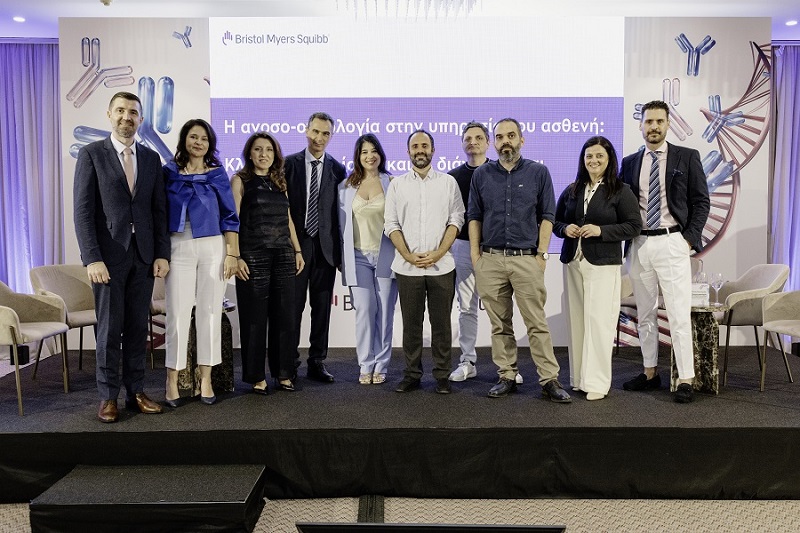
Bristol Myers Squibb (BMS), a leading biopharmaceutical company, held a press conference in Cyprus on June 9, 2026, during which distinguished medical oncologists highlighted the key factors for improving cancer patient care. Particular emphasis was placed on early diagnosis, the multidisciplinary approach and modern treatment options, with immuno-oncology taking centre stage as a transformative force in contemporary cancer care.
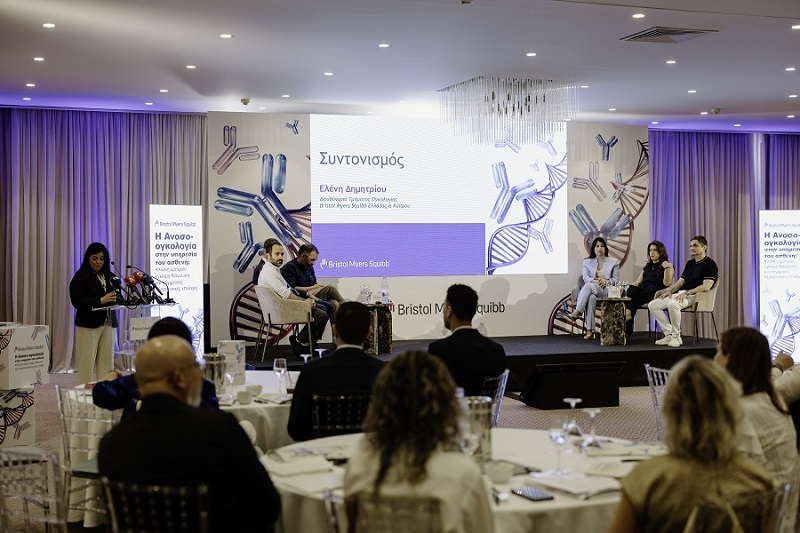
The event was moderated by Eleni Demetriou, Director of the Oncology Department at BMS Greece and Cyprus. Opening remarks were delivered by Stelios Kareklas, Head of the Pharmaceutical Division of the CPO Costas Papaellinas Group.
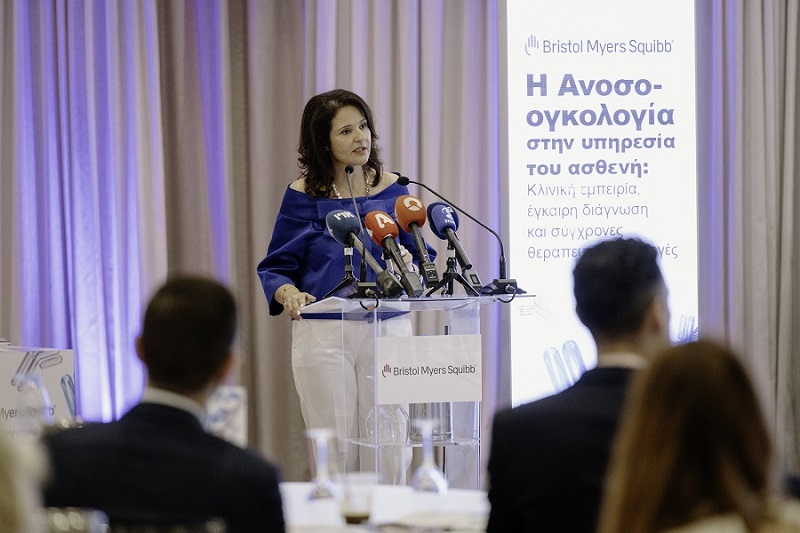
In her address, Elisabeth Prodromou, General Manager of BMS Greece & Cyprus, referred to Cyprus’ significant national effort to tackle cancer. “Innovative therapies are not a promise for the future, but the most powerful weapon available to us today,” she noted. “Thanks to immuno-oncology, an increasing number of cancer types are being transformed from terminal illnesses into chronic conditions. At Bristol Myers Squibb, we fully recognise the responsibility that comes with our role. We invest in the research and development of new therapies, guided by the principles of timely and equitable patient access, while also ensuring the sustainability of healthcare systems. We stand alongside the Cypriot authorities, the scientific community and patient associations at every step, helping to build a stronger, more modern and more patient-centred oncology care system.”
Dr Constantinos Zamboglou, Radiation Oncologist and Medical Director of the German Oncology Centre, focused on the value of multidisciplinary team collaboration, stressing it represents the modern standard of oncology care. Such an approach ensures appropriate patient selection, the development of optimal personalised treatment strategies and safe evaluation and monitoring throughout the patient journey. He also highlighted its profoundly patient-centred nature, noting that: “every decision should always be made with the patient, not simply for the patient”. This approach helps prevent potential treatment failures while ensuring the psychological support that encourages patients and improves adherence to treatment.
Dr Giorgos Orphanos, Medical Oncologist at the German Oncology Centre, discussed cancer epidemiology, emphasising that prevention and early diagnosis remain the most powerful tools for improving survival rates. He noted that organised screening programmes increase the likelihood of successful treatment and reduce the need for aggressive medical interventions. As a practical example, he presented indicative cancer survival rates in Cyprus, which are among the highest in the European Union, including prostate cancer (99 per cent versus 87 per cent), breast cancer (93 per cent versus 83 per cent), colorectal cancer (72 per cent versus 60 per cent) and lung cancer (19 per cent versus 15 per cent). He attributed these outcomes to prompt diagnosis and the effectiveness of modern therapies.
Dr Eleftherios Vorrias, Medical Oncologist at the German Oncology Centre, addressed lung cancer, which he described as one of the most serious forms of cancer worldwide. Advances in immunotherapy and targeted therapies have opened new avenues in the treatment of non-small cell lung cancer, offering hope to many patients. Dr Vorrias emphasised that research, innovation and public awareness are critical in highlighting the risks and symptoms associated with the disease.
Dr Asimina Koulouridi, Medical Oncologist at the German Oncology Centre, referred to significant advances in gastrointestinal cancers, noting that newer treatment options have improved patient survival rates. Immunotherapy, she stated, has transformed the landscape by providing effective solutions for diseases that were previously considered exceptionally challenging to treat. In closing, she stressed that prevention and early diagnosis remain the foundation of oncology care and continue to save lives.
Dr Nana Vasiliadou, Medical Oncologist and Haematologist at the German Oncology Centre, highlighted the power of immuno-oncology in melanoma, the disease that served as the historic launching point for immunotherapy 15 years ago. She explained that melanoma has demonstrated some of the most durable survival outcomes, as new treatment combinations now enable more patients to live longer and enjoy a better quality of life. Dr Vasiliadou concluded by emphasising the importance of supporting research and fostering collaboration among healthcare professionals, patients and institutions.
Dr Onoufrios Tsavaris, Medical Oncologist at the German Oncology Centre, noted that patient care and clinical decision-making must be based on the best available research data. He analysed the importance of implementing treatment guidelines developed through the collective decisions of scientific bodies. These guidelines provide a structured framework that safeguards quality of care, ensures optimal allocation of resources and helps contain costs, while also contributing significantly to reducing healthcare inequalities and promoting consistency in optimal patient care.
About Bristol Myers Squibb
Bristol Myers Squibb is a global biopharmaceutical company dedicated to discovering, developing and delivering innovative medicines that help effectively treat serious diseases. To learn more about Bristol Myers Squibb, visit: www.bms-greece.gr





Click here to change your cookie preferences