
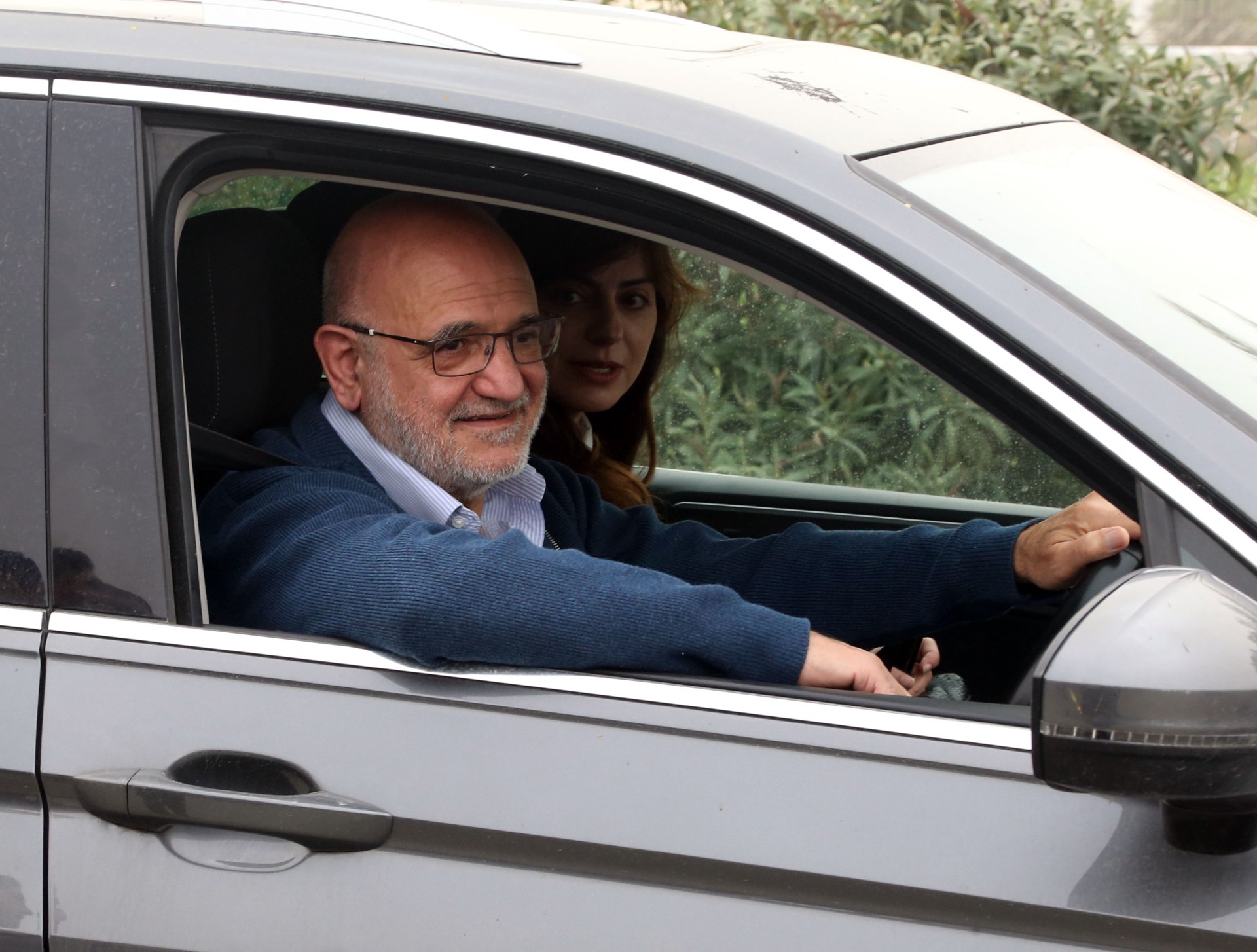
Journalist Makarios Drousiotis said on Thursday that the findings of the anti-corruption authority’s investigation into allegations contained in his book Mafia State had vindicated years of reporting, after the authority concluded that former president Nicos Anastasiades and others may bear criminal liability.
Speaking to Sigma, following the publication of the authority’s conclusions, Drousiotis said he felt “a sense of satisfaction” after years of legal disputes and public criticism stemming from the publication of the book in 2022.
He stressed, however, that the process was far from complete.
“I am satisfied because Mr Anastasiades chose four points from the book to take legal action against me, and for all four there are reports from the anti-corruption authority,” he said.
The authority’s report recommends further investigation into a number of individuals and entities, including former president Anastasiades, over allegations ranging from abuse of power and influence peddling to money laundering and perjury.
The findings followed a lengthy inquiry during which investigators examined hundreds of pieces of evidence and heard testimony from scores of witnesses.
Drousiotis argued that the conclusions broadly confirmed issues he had previously raised through his investigative work.
“What I write in the books is confirmed and I am not a slanderer, as Nicos Anastasiades claimed,” he said.
He maintained that the authority’s investigation had limitations because it lacked full criminal investigative powers.
According to Drousiotis, the material ultimately examined represented only part of a wider body of evidence collected during his own research.
“The investigators came and to a certain extent confirmed my findings,” he said.
“If they had investigative powers, what I found is the tip of the iceberg.”
Drousiotis further criticised the handling of allegations raised in recent years, claiming that many issues drawn attention to in his book had remained in the public domain without attracting substantive investigation.
“They did not investigate a single issue that was revealed,” he said.
Addressing the recusal of attorney-general George Savvides and his deputy Savvas Angelides from the case, Drousiotis said concerns surrounding perceived conflicts of interest could continue to affect public confidence in the process.
He also expressed support for the participation of foreign experts in future investigations, citing the role played by Australian jurist Gabrielle McIntyre, who chaired the committee that examined the allegations.
At the same time, he said Cyprus possessed capable professionals who could also contribute to such inquiries.
Beyond the legal and political implications of the report, Drousiotis said the wider significance of the investigation lay in strengthening accountability within public life.
He argued that scrutiny by journalists, investigators and institutions could act as a deterrent against future misconduct.
“The positive thing is that when there are checks and balances, even journalistically speaking, those who hold positions and institutions know that they can find themselves exposed,” he said.
Drousiotis also repeated claims that “billions” had left Cyprus and said his ultimate objective was to see any improperly obtained funds identified and recovered.
“What would satisfy me would be for this money to be identified and returned to the state,” he said.
Reflecting on his own period working alongside Anastasiades before entering journalism, Drousiotis rejected suggestions that he had personally benefited from or participated in any improper activity.
“You will not find any evidence or testimony that I had any personal participation in anything reprehensible,” he said.

Click here to change your cookie preferences