
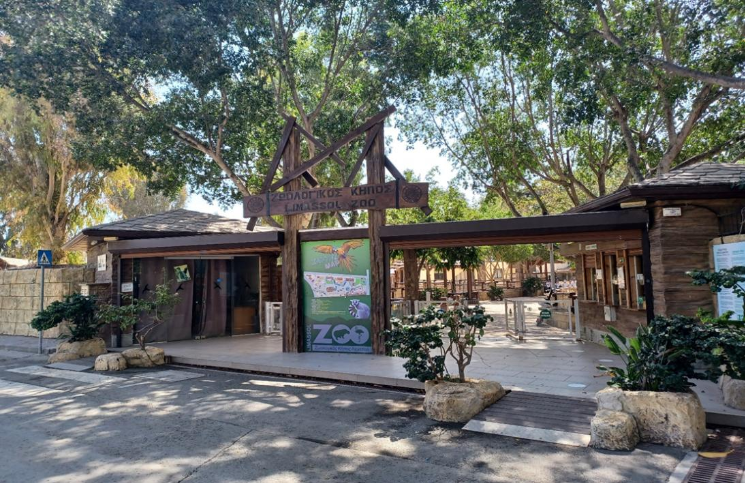
The future of the Limassol zoo is set to be decided on Thursday, with the municipal council expected to vote on whether the facility should continue housing animals or be transformed into a new biodiversity and environmental centre.
At the heart of the debate is a proposal prepared by the Cyprus Centre for Environmental Research and Education (CyCere), which envisages replacing the zoo with an open-access biodiversity and urban environment centre, known as “Fysi”, (Nature) focused on environmental education, research and participation from the public.
Speaking to the Cyprus Mail, CyCere scientific director Dr Andreas Hatzihampis said the organisation had submitted a scientifically documented study containing ideas he described as pioneering not only for Cyprus, but for Europe as a whole.
“We have proposed innovative things for Cyprus and in fact for Europe. The space would be transformed into a centre for biodiversity, and we believe this is an opportunity for Limassol,” he said.
Asked whether the zoo could remain in its current form, Hatzihampis said “all possibilities remain open”, with the final decision resting with the municipal council.
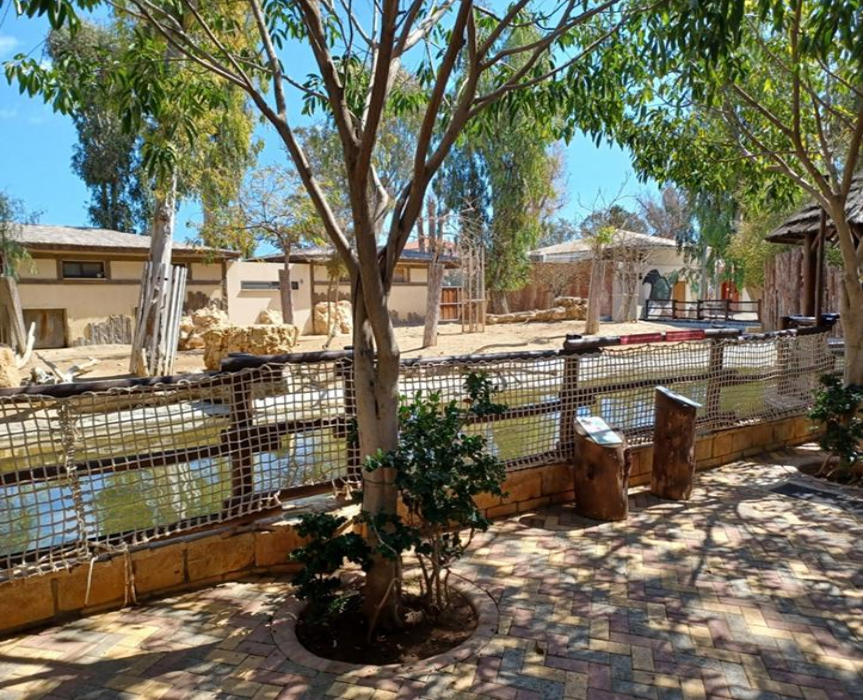
The proposal seeks to shift the emphasis from keeping animals in captivity to promoting biodiversity and environmental awareness. It includes the creation of outdoor “living laboratories”, interactive digital installations, educational programmes and themed areas focusing on issues such as urban ecosystems, climate change, light pollution, circular economy and sustainable mobility.
The centre would also feature microhabitats showcasing Cyprus’ biodiversity, environmental exhibitions, citizen science activities and spaces designed for families, students and researchers, while integrating the former zoo site more closely with the adjacent public gardens.
Public consultations carried out earlier this year indicated strong support for the transformation, with more than 80 per cent of participants backing the closure of the zoo and the relocation of animals to approved facilities. Around 90 per cent supported the educational and environmental aspects of the proposed centre.
However, the issue has sparked opposition from some former mayors and residents who argue that the zoo, which dates back to the 1950s, forms part of the city’s identity and collective memory.
Animal welfare advocates have also weighed in ahead of the vote. In a statement on Thursday, the Cyprus Party for Animals called for the permanent end of animal captivity at the site, arguing that preserving historical memory should not mean maintaining outdated practices.
“It cannot remember only the visitors’ smiles and forget the lions, bears, leopards, monkeys, and dozens of other wild animals that spent their lives behind bars,” the animal party said.



Click here to change your cookie preferences