
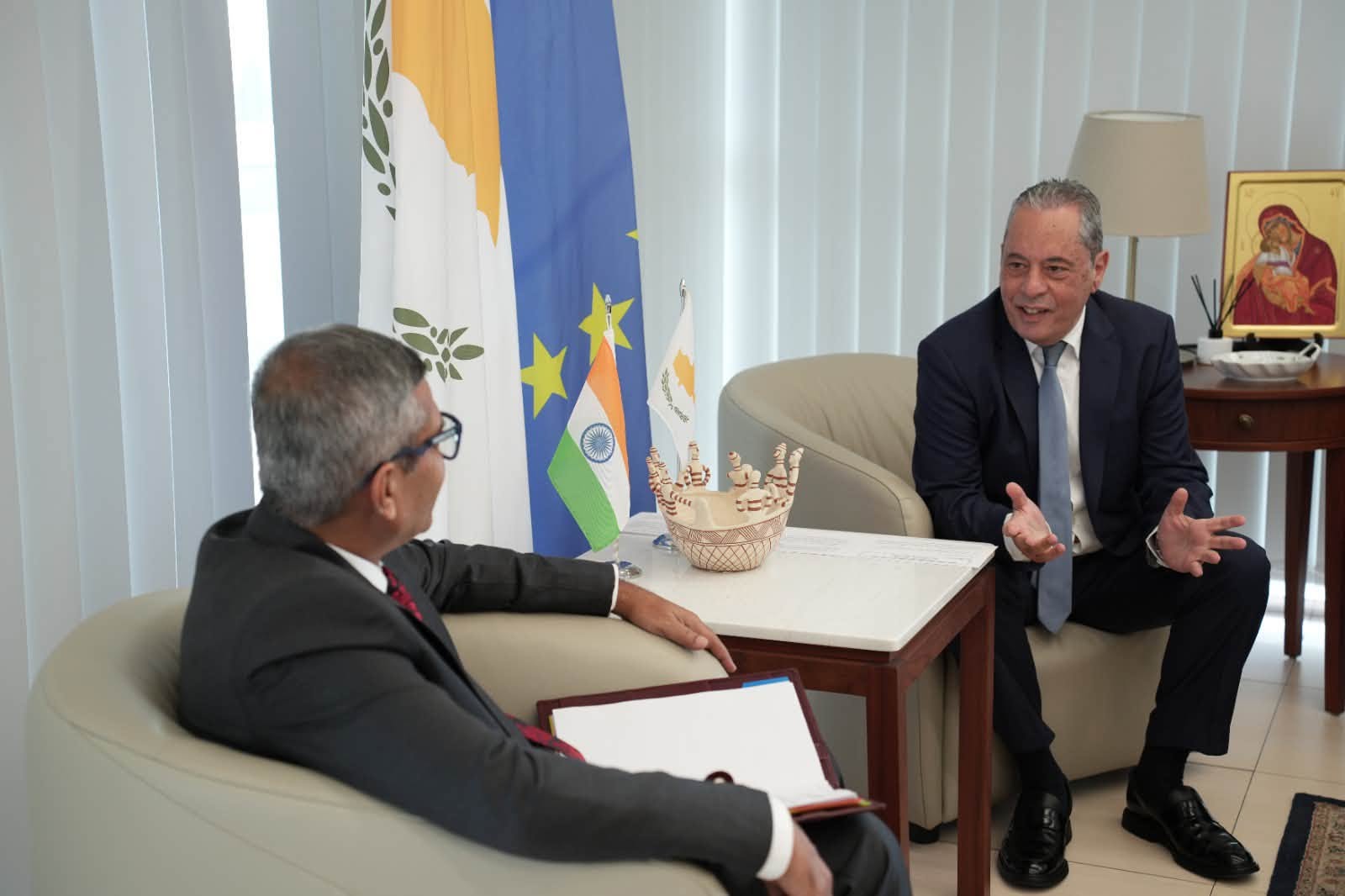
Cyprus could become an important partner in India’s expanding defence and maritime security strategy with opportunities for joint industrial projects, cybersecurity cooperation and naval engagement, Indian defence expert Professor Swasti Rao told the Cyprus Mail.
Speaking following the visit by Indian Defence Secretary Rajesh Kumar Singh to the island, Rao said the relationship was moving beyond diplomatic declarations, although the challenge now was to translate agreements into practical projects.
Rao, an adviser on the defence industry to India’s defence ministry, said Cyprus’ geographical position, EU membership and emerging defence technology sector offered opportunities for cooperation.
“India’s interest in Cyprus is becoming more substantive,” she said, pointing to Prime Minister Narendra Modi’s visit in 2025, the first by an Indian prime minister in 23 years.
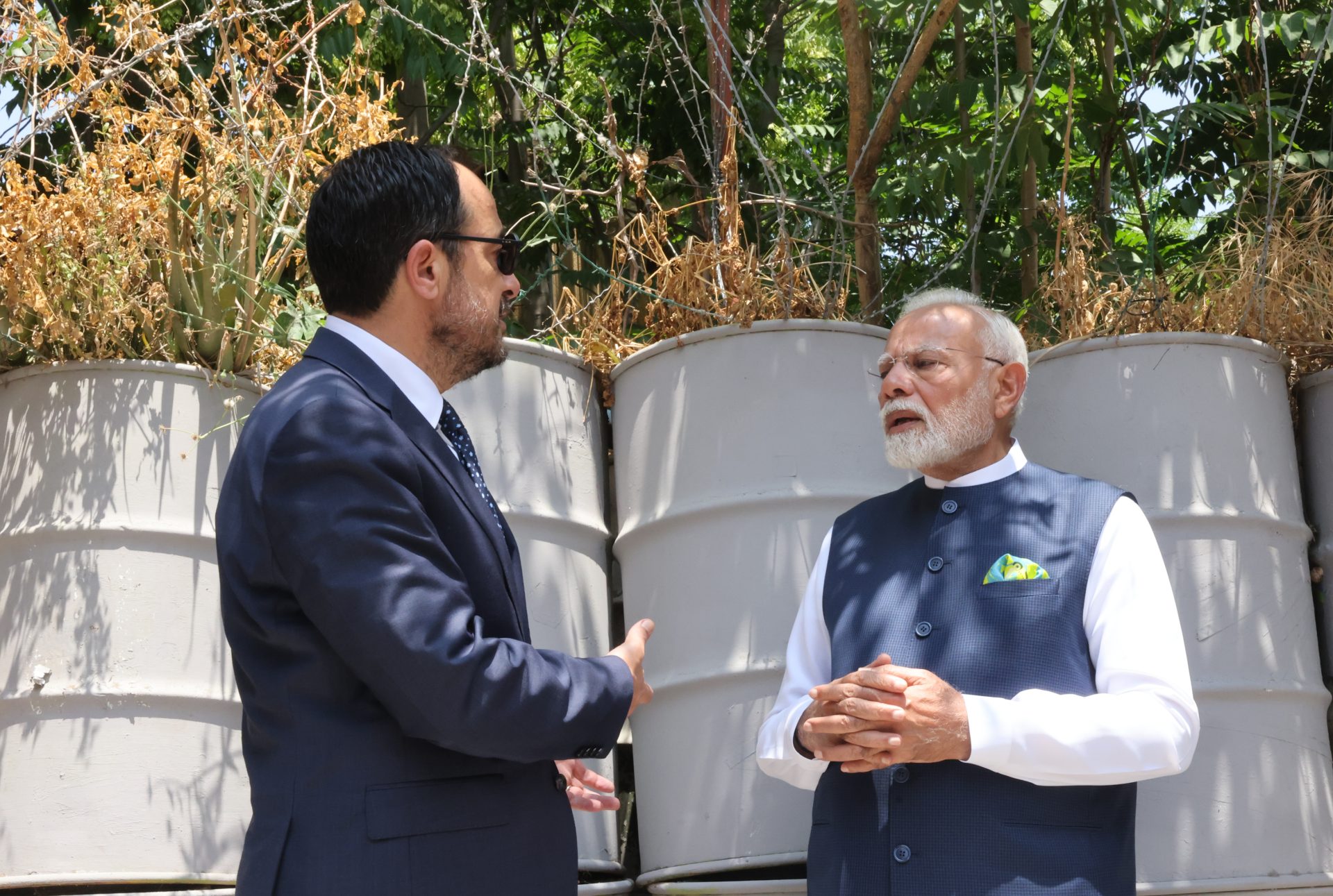
“The bilateral defence cooperation programme for 2026, the subsequent five-year roadmap and the agreement between the two countries’ defence industry organisations give both governments a way to turn political support into sustained work.”
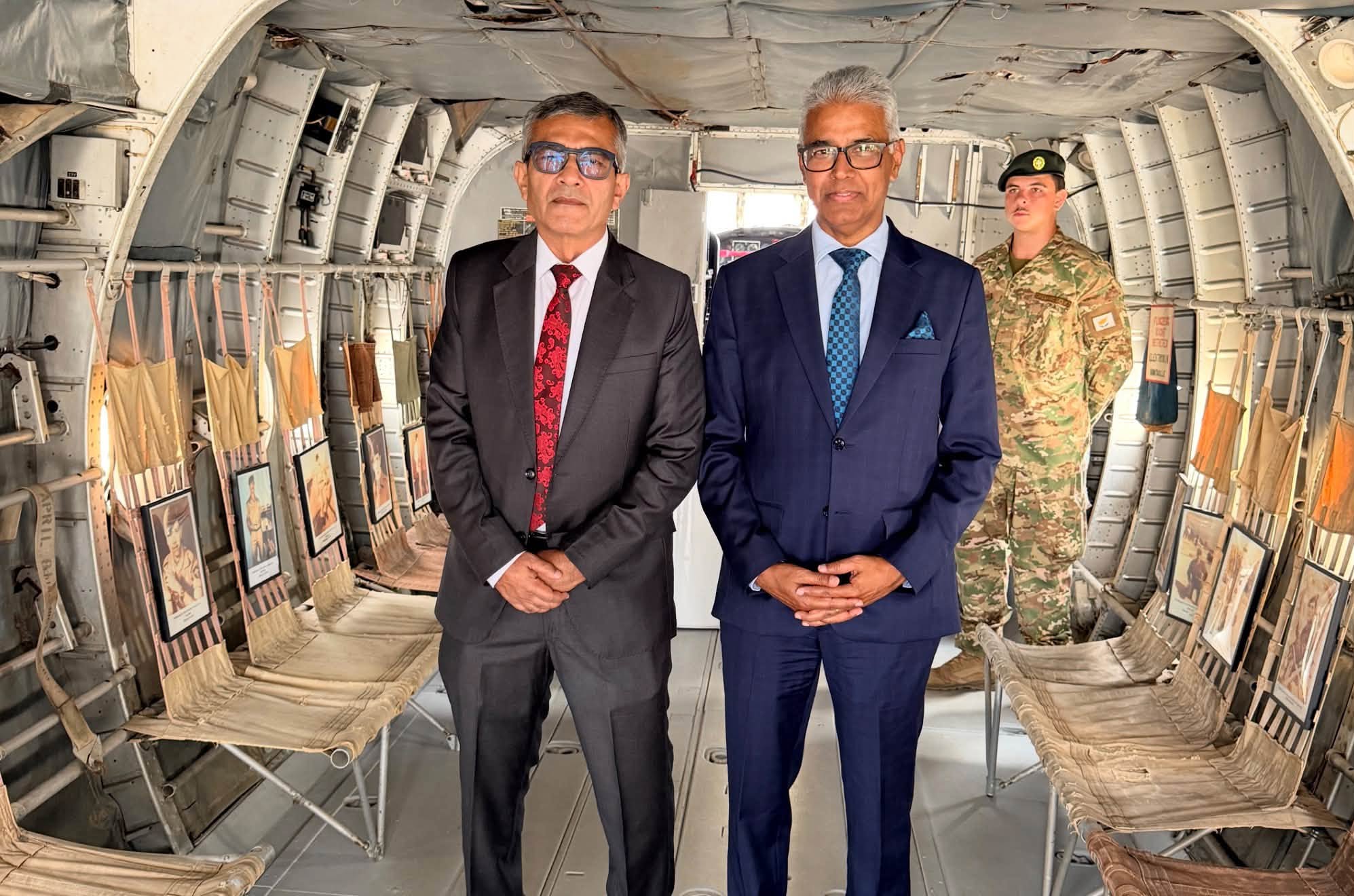
She described Singh’s visit, which included meetings with Defence Minister Vasilis Palmas and the Cyprus Naval Command, as another indication that the relationship had moved onto the working agenda.
Rao identified coastal surveillance, counter-drone systems, unmanned platforms, secure communications and cyber protection as potential areas of collaboration.
“Cyprus offers a smaller market, but its companies can contribute specialist software, sensors, integration and testing,” she said.
“The question should be which capability Cyprus needs and where each side adds value, rather than whether their industries are equal in size.”
Opportunities for wider cooperation
She also saw opportunities for cooperation involving countries with which Cyprus and India already maintain defence relationships, particularly Greece, Israel and France.
An India-Greece-Cyprus arrangement could combine defence industry projects with naval exercises and search and rescue, while Israel could participate in air defence, sensor and counter-drone projects.
Referring to Cyprus’ acquisition of the Israeli-made Barak MX air defence system, Rao noted that India and Israel had already collaborated on the separate Barak-8/MRSAM programme.
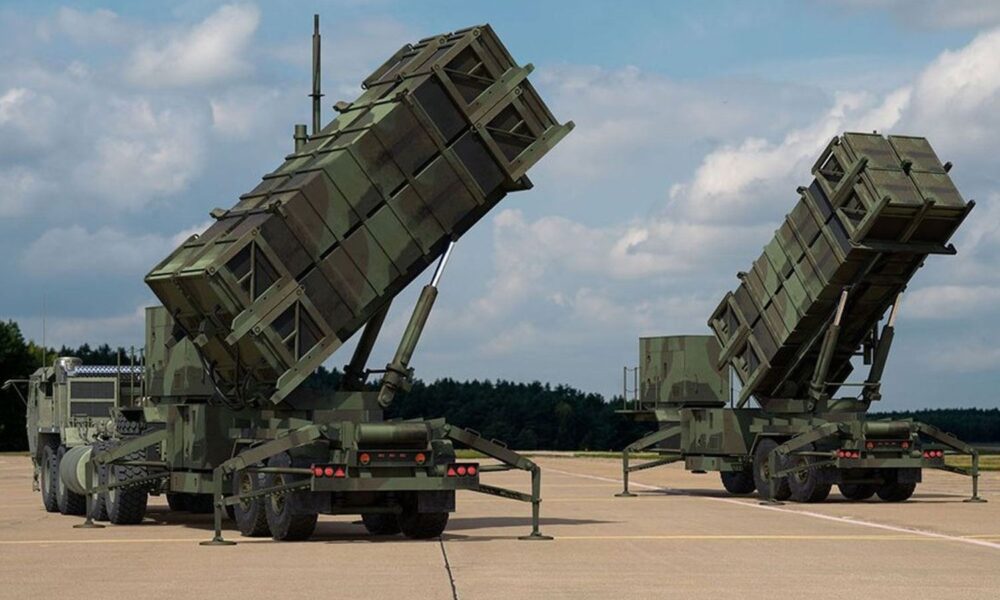
“That experience could support an India-Israel-Cyprus conversation on capabilities Cyprus needs around its air defences; surveillance radars, counter-drone systems, integration, training and maintenance,” she said.
“The starting point should be a specific Cypriot requirement that the three countries can meet together.”
European opportunities and limitations
Rao said the island could offer opportunities for partnerships, testing, maintenance and regional business, but cautioned that EU membership did not automatically provide access to European defence procurement programmes.
India and the EU signed a Security and Defence Partnership in January, but India is not currently formally participating in the EU’s Security Action for Europe (SAFE) programme.
“Setting up a Cypriot subsidiary alone would not solve those questions,” she said, referring to eligibility requirements, restrictions on non-European components and technological control.
“For this reason, I would distinguish Cyprus’ own national procurement from a project seeking EU financing. The former may offer a more immediate opening for Indian equipment or a jointly developed solution.”
She said bilateral cooperation should therefore be prioritised while the broader EU-India defence relationship develops.
Asked what concrete results could emerge from the 2026–2031 defence roadmap, Rao suggested starting with a pilot project involving maritime surveillance.
“The most credible first major outcome would be a defined pilot with a buyer, budget and operational trial,” she said.
Adding that this could involve “Indian unmanned systems combined with Cypriot sensors, software or cybersecurity capabilities, potentially with Greek, Israeli or French participation”.
She said that a related exercise could test the technology in monitoring a port or responding to a suspected threat to a subsea cable.
India’s Indo-Mediterranean strategy
Rao said that India’s security interests increasingly extend into the Mediterranean.
“India’s trade, energy and security interests do not stop at the Indian Ocean’s western edge. The Red Sea, Suez and Eastern Mediterranean lead towards Europe, and trouble at one point affects the entire route.”
The proposed India-Middle East-Europe Economic Corridor (IMEC) reinforces this strategic interest, although instability in the Middle East continues to complicate its development.
Rao said India should diversify its European connections through ports “including Marseille, Trieste and Thessaloniki, with Volos also worth examining on its commercial merits”, rather than depend on a single gateway.
She argued that Thessaloniki offered particular advantages through its connections to the Balkans and the Three Seas area, compared with a strategy centred on the Chinese-controlled port of Piraeus.
Rao said Cyprus’ role could be different from that of mainland European transport hubs.
“Cyprus cannot substitute for a mainland rail gateway. Its value is different, it is an island at a consequential maritime junction, with potential roles in transshipment, logistics, maritime services, surveillance and emergency response.”
She suggested regular Indian naval port calls, information sharing and participation in exercises with Cyprus and Greece as these could gradually expand beyond search and rescue to monitoring shipping, protecting ports, detecting interference with subsea cables and testing unmanned maritime platforms.
The regional strategic dimension
On the wider geopolitical significance of India’s growing cooperation with Cyprus, Greece and Israel, Rao acknowledged that Turkey’s defence relationship with Pakistan had become a concern in New Delhi.
However, she cautioned against interpreting India’s regional partnerships as a formal alignment against Ankara. “I would not describe these partnerships as a formal bloc against Turkey,” she said.
“They do, however, give India and Cyprus a shared interest in maritime stability, sovereign rights and preventing unilateral changes to the regional status quo.”
Ultimately, Rao said sustained cooperation “would not require India to establish a permanent military presence in the Eastern Mediterranean”.
“It requires New Delhi to recognise that its European connectivity, its partnerships with Greece and Cyprus, and the security of the maritime routes linking them now form one strategic problem.
“Cyprus becomes significant when India treats it as a capable partner within that wider network, rather than simply as a small destination for defence exports.”




Click here to change your cookie preferences