
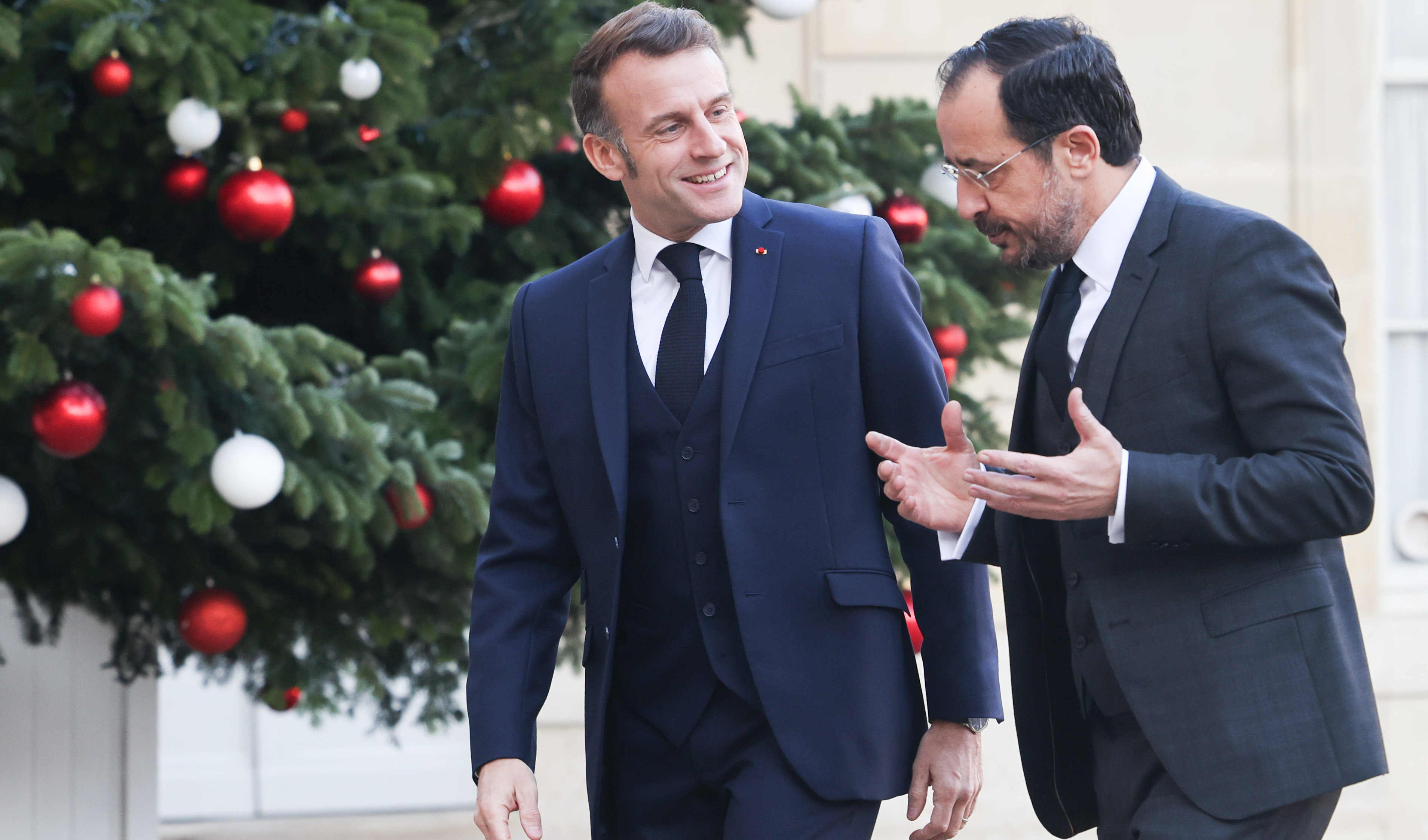
Cyprus and France signed a new strategic partnership at Paris’ Elysee Palace on Monday, which declared both countries’ “unwavering willingness to substantially strengthen bilateral relations”.
French President Emmanuel Macron described the agreement as an “important step” and thanked his Cypriot counterpart Nikos Christodoulides for “the trust you place in our country”, pointing out that France is the only member of the European Union with which Cyprus has such a strategic partnership.
He added that the agreement “underscores the strength of our bilateral relations and our commitment to being even more present alongside you in the eastern Mediterranean”.
Christodoulides, meanwhile, said the signing of the agreement “marks a highly significant chapter” in relations between Cyprus and France.
With the agreement, he said, “we declare our determination to elevate our bilateral cooperation to a new level”, through “a structured and results-oriented mechanism”.
“It is, in essence, a clear political statement and a tangible expression of the strategic nature of our partnership, setting out a shared vision and concrete priorities for the years ahead,” he added.
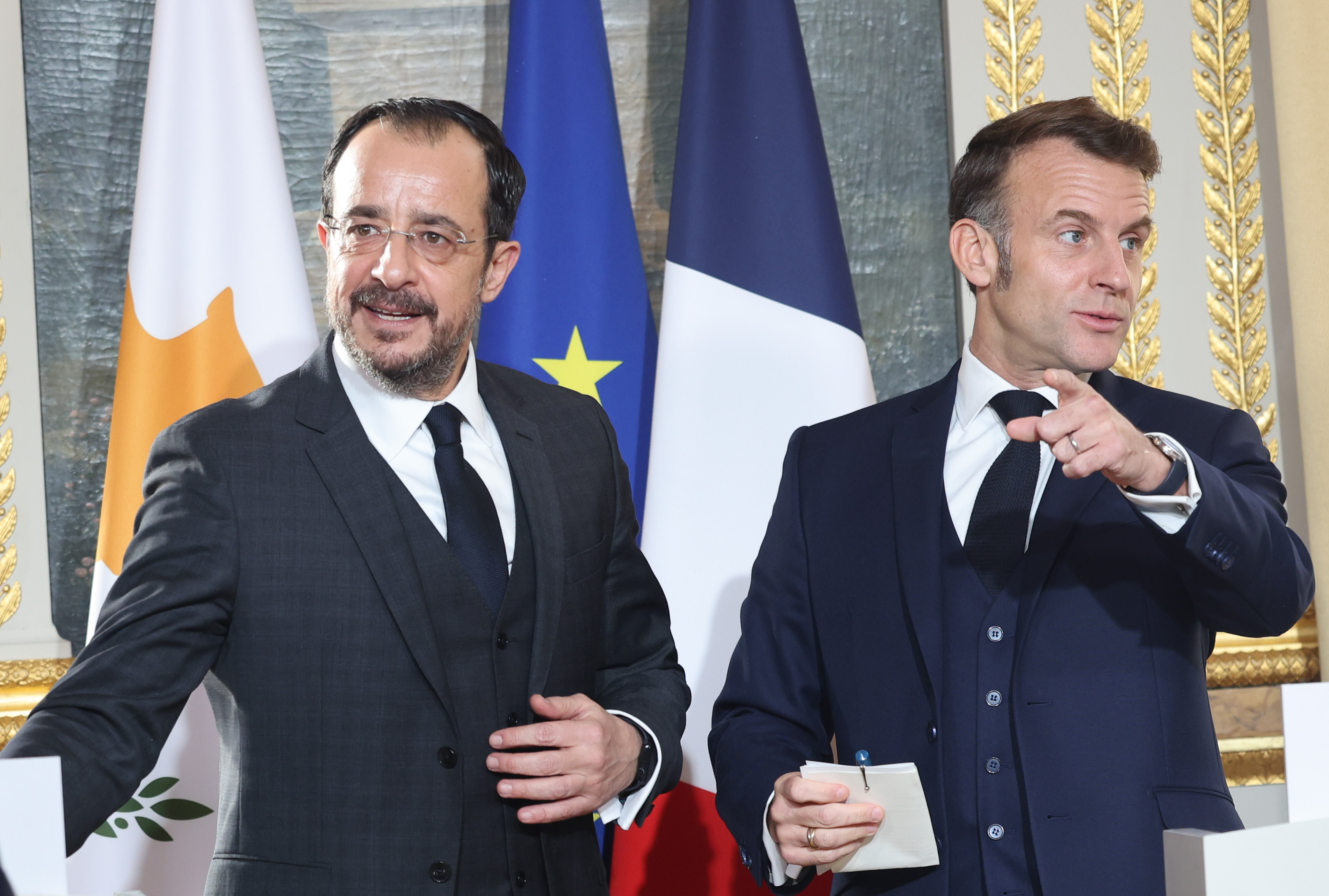
The partnership agreement contains 10 chapters, with the first declaring that both countries will further their cooperation in diplomacy, defence and security “in support of the agenda for a sovereign Europe”.
Both, the agreement says, express their deep concern regarding Russia’s war of aggression against Ukraine, the deepening tensions in the Middle East, and ongoing instability in many parts of Africa, and at the same time have “converging interests in fostering stability in the Middle East for historic and geopolitical reasons”.
As such, Cyprus and France underlined “the importance of leveraging the European sanctions policy to reach our common foreign policy objectives”, while also sharing the conviction that the European Union must strengthen its strategic autonomy and its innovation capabilities.
This, the agreement said, must be done to preserve the EU’s “capacity to act, defend its values, and protect its citizens in an increasingly unstable international environment”.
It said that both France and Cyprus wish to emphasise the urgent need to reinforce the security of their societies in light of growing instability in their immediate neighbourhood.
The second chapter concerns the development of an adequate EU and international response to regional crises, with both countries declaring their intention to “promote further the increased strategic role of the Mediterranean region” and generally increase the EU’s role in it.
It also said that in the event of regional or global crises, both countries will “make collaborative efforts to provide coordinated responses, including humanitarian assistance, conflict mediation, peacekeeping and peace-building initiatives”.
The third chapter centres on defence, with both countries saying they will work together to defend common positions on European issues, including a preference to foster a “stronger European defence technological industrial base and to deepen cooperation in using EU instruments” such as the Security Action for Europe (Safe) programme.
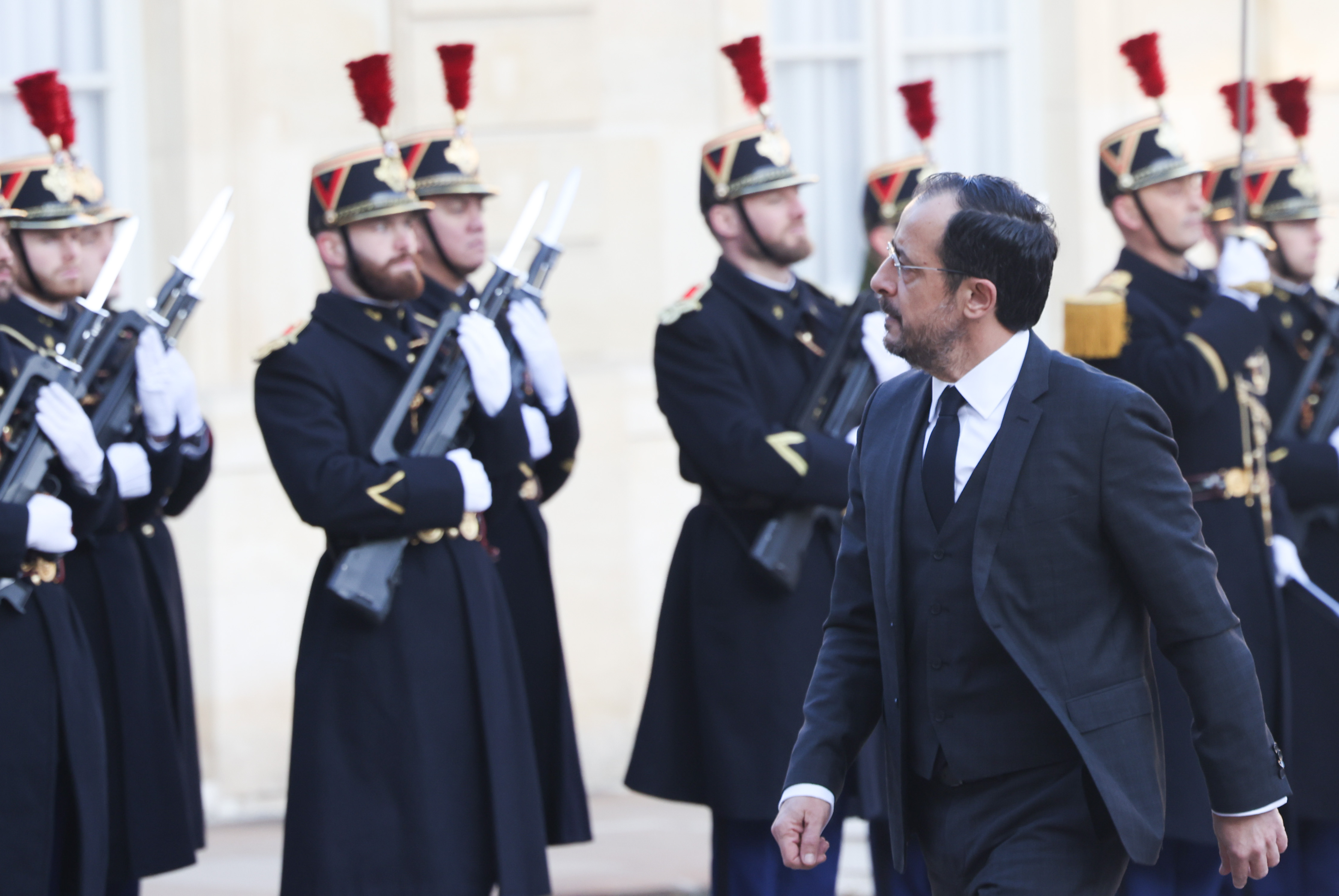
They also promised to work towards building a European Union which is more sovereign, more responsible for its own defence and better equipped to act and deal autonomously.
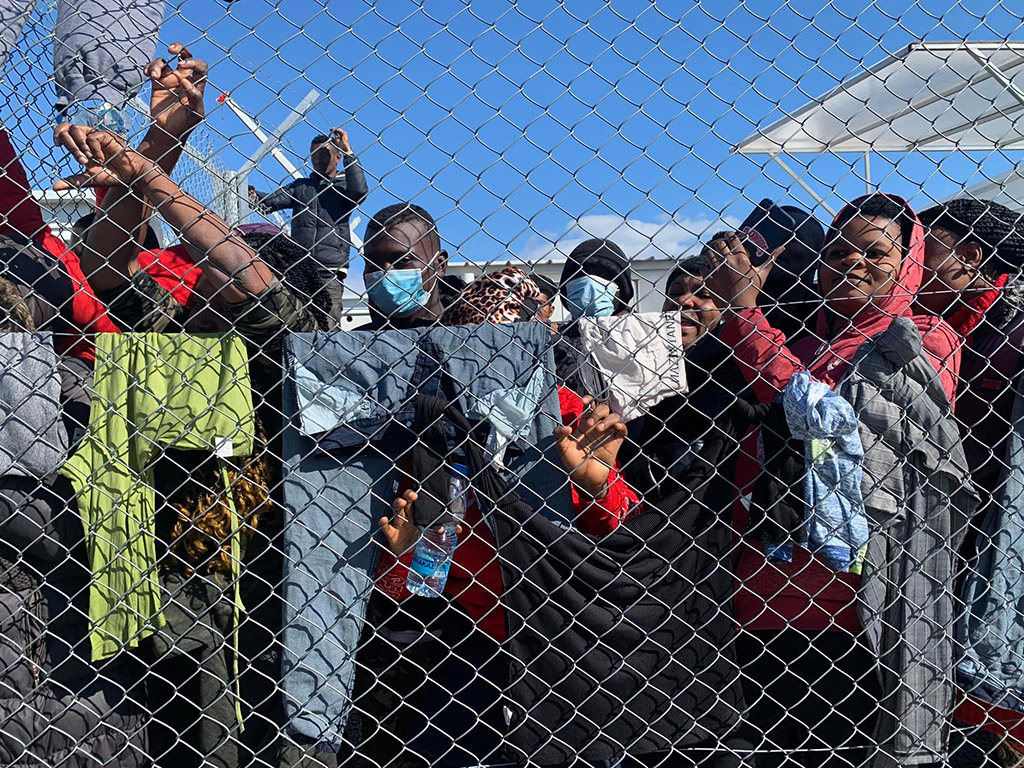
Other chapters included the matter of enhancing the security of people in both countries and the issue of migration and asylum, with the former concerning counterterrorism and firefighting and the latter speaking of collaboration to manage migration flows and increase border security.
On the matter of the economy, the agreement stated that both countries wish to reduce “critical external dependencies, notably in energy, net zero technology, health, digital infrastructure and raw materials”, promising to work to do this by “developing competitive resilient, diversified and sustainable value chains across the EU”.
They also stated their intention to “actively support European competitiveness and work towards the completion of a well-functioning single market”, while working towards “achieving a true capital markets union to channel European savings to European businesses”.
The agreement also made reference to future generations and a will to empower them with “the necessary values, ideas and skills to thrive in an increasingly interconnected and complex world”.
To achieve this, it said, both countries wish to “enhance cooperation in the field of multilingualism and cultural diversity”, including utilising the International Organisation of La Francophonie, which Cyprus joined last year.
Additionally, they said they wish to “promote mobility between their two countries through emphasis on Greek and French languages, and cooperation in the areas of education, archaeology, arts, sports, cinema, literature and cultural heritage”.
Finally, with the aim of achieving all the goals set out in the agreement, both countries agreed to hold an annual high-level intergovernmental steering meeting to assess the agreement’s implementation.


Click here to change your cookie preferences