
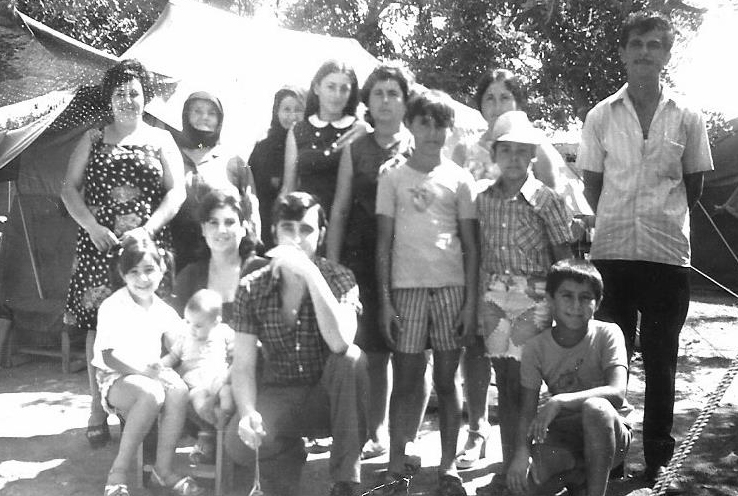
Cyprus MEP Loukas Fourlas handed a European parliament report documenting rape against women during the 1974 Turkish invasion of Cyprus to United Nations secretary general Antonio Guterres in New York on Tuesday.
The presentation took place during the 70th session of the United Nations commission on the status of women, where Fourlas participated as part of the European parliament’s gender equality delegation.
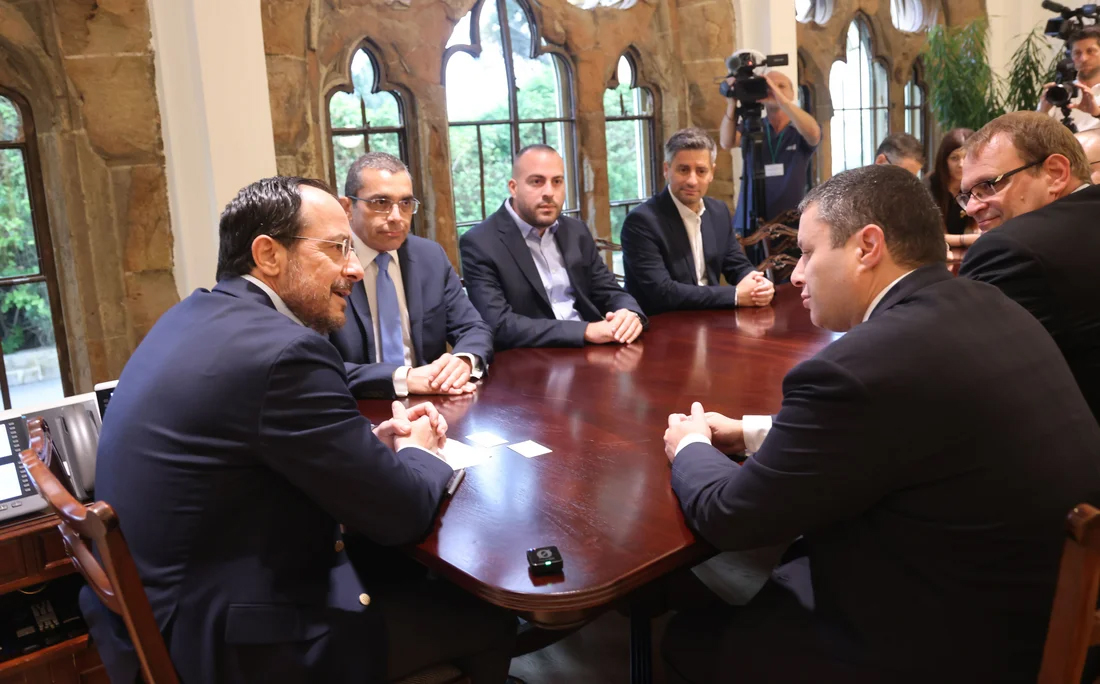
During a meeting with Guterres, Fourlas briefed the UN chief on the committee’s recent mission to Cyprus, which examined testimonies and evidence relating to women who suffered sexual violence during the invasion.
He called for greater international recognition of the crimes and stronger support for survivors.
“The victims of the sexual violence of the invasion deserve justice, recognition and support from the international community,” he said.
The report contains testimonies and documented accounts describing acts of violence and abuse against Cypriot women during the conflict.
Fourlas said the document highlights “one of the darkest and most traumatic aspects of the Cypriot tragedy” and urged the United Nations to help bring broader attention to the issue.
“The international community must recognise the crimes committed against Cypriot women,” he said, adding that the victims’ testimonies “cannot be forgotten”.
Fourlas also informed Guterres that work is under way in the European Parliament to prepare a resolution addressing the issue.
He argued that justice, historical memory and the acknowledgement of war crimes are essential conditions for reconciliation and lasting peace.
The issue of sexual violence during the 1974 conflict remained largely unspoken for decades, with survivors often facing social stigma and silence.
Advocacy groups and researchers say many women never came forward, while the exact number of victims remains unknown.
Some estimates have suggested that hundreds of women were raped during the invasion, though reliable figures are difficult to establish.
Gender equality commissioner Josie Christodoulou has previously described wartime sexual violence as “a disgrace for society”, stressing that many women were victimised twice, first through the violence itself and later through exclusion and discrimination within their communities.
Fourlas described the delivery of the report to the UN chief as both symbolic and substantive, arguing that it represents an effort to ensure the crimes are neither erased nor ignored.
“War crimes and sexual violence against women cannot be written off or forgotten,” he concluded.

Click here to change your cookie preferences