
Cyprus is pursuing a comprehensive restructuring of its asylum system within the framework of the EU’s new migration pact, deputy migration minister Nicholas Ioannides assured on Saturday.
“Our goal is to turn migration from a problem into a solution that benefits our citizens and the state, while always respecting our international obligations,” he stressed.
Speaking at a conference in Thessaloniki, Ioannides said Cyprus views the EU pact as a central development for migration policy across Europe.
He said it “strengthens external border management and clarifies entry conditions”, allowing access only to individuals with legal grounds for entry or international protection status.
It is intended to “expediate asylum processing while preserving legal standards”, with procedures designed to ensure applications are examined swiftly.
Ioannides commented that Cyprus, as “a frontline member state”, operates under specific structural pressures linked to geography, infrastructural limitations and its political situation.
He said these conditions admittedly “affect the state’s capacity to accommodate arrivals and manage reception requirements.”
The deputy minister explained that the EU framework includes solidarity mechanisms intended to distribute responsibilities more evenly among member states.
He confirmed Cyprus’ support towards this end, arguing that “no single frontline state can absorb disproportionate pressure from regional migration flows”.
He said the implementation of the pact presents both administrative challenges and policy opportunities.
“Cyprus has experienced pressure on reception facilities, increased caseloads in asylum processing and strain on administrative services during periods of higher arrivals”.
Ioannides confirmed that Cyprus has recently completed domestic legislative changes to align national law with the EU framework.
The House passed the refugee bill on Thursday, introducing reforms to asylum procedures, screening mechanisms and processing arrangements.
The legislation is expected to support operational alignment with EU standards.
He said procedural rules covering screening, border assessment and return processes are being finalised.
These include provisions for faster case handling, structured assessment at reception centres and formalised communication with applicants through digital systems.
The new framework also provides for advisory services for asylum seekers at first instance and access to legal assistance during administrative procedures.
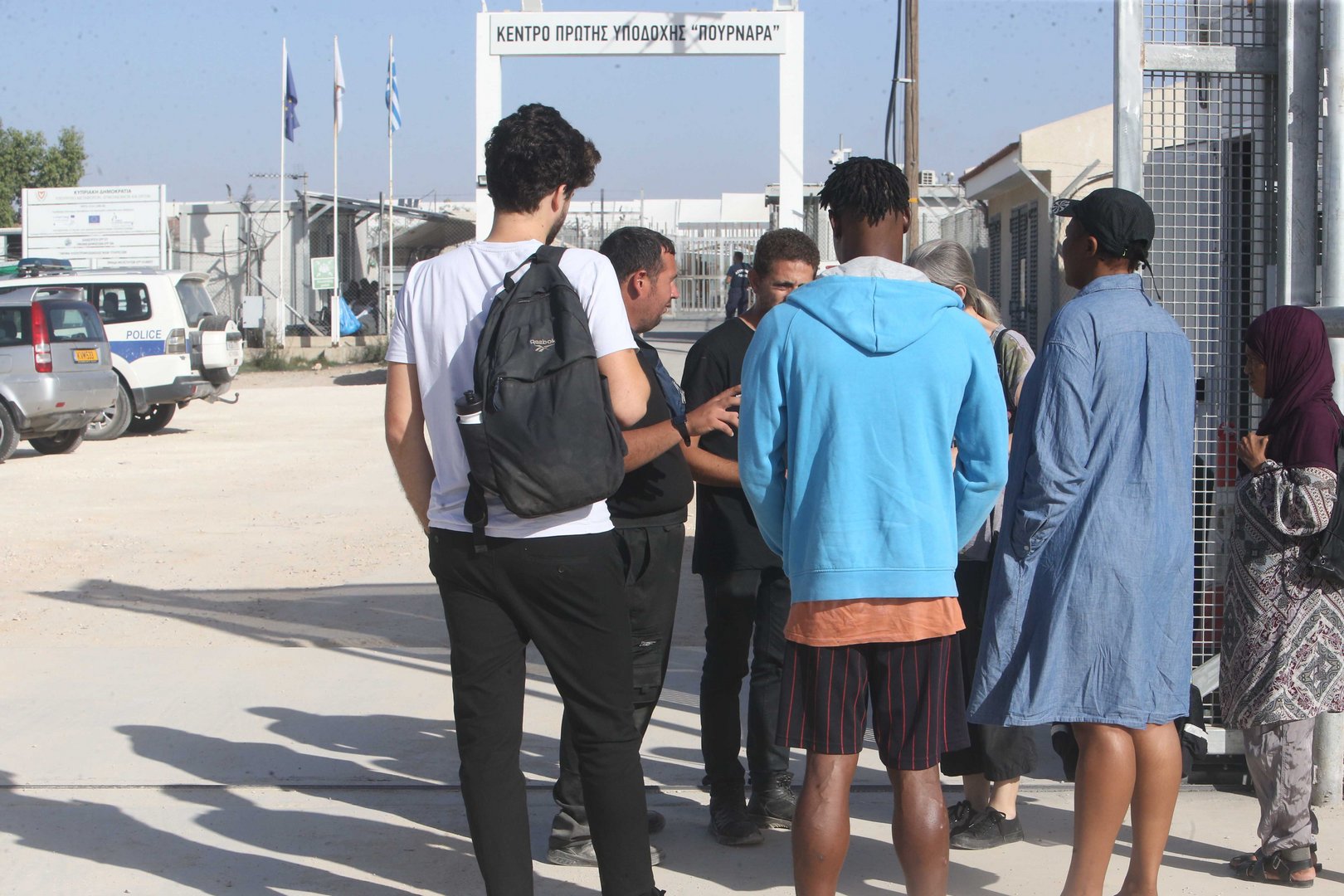
Ioannides said upgrades are underway regarding the development of new facilities in Limnes and improvements at the Kofinou reception centre.
The reforms also include digital upgrades to asylum management systems, improved coordination between state services and enhanced processing tools for Dublin Regulation cases.
The human rights commission has been assigned responsibility as an independent monitoring mechanism for fundamental rights within asylum procedures.
Ioannides said Cyprus has recorded a significant reduction in irregular migration flows in recent years.
Irregular arrivals have decreased by 86 per cent compared with earlier periods, while return operations place Cyprus among the leading member states in the European Union in proportional terms.
He added that irregular arrivals in the first quarter of 2026 were 30 per cent lower than in the corresponding period of 2025.
These trends, he said, “reflect sustained operational activity across enforcement and migration services”.
The deputy minister said effective return procedures are central to maintaining the credibility of the migration system.
“Without functioning return mechanisms, asylum systems risk becoming overstretched and administrative efficiency is reduced”.
Ioannides also referred to broader regional developments, particularly in the Middle East, stating that instability in neighbouring regions continues to influence migration flows.
He said migration “cannot be managed solely at national level” due to its external drivers and cross-border nature.
He said Cyprus supports coordinated European responses to migration pressures, including shared operational tools and strengthened cooperation with third countries.
He added that the EU pact represents a significant policy shift, but its effectiveness will depend on implementation across member states.
Ioannides said the island’s EU council presidency will “provide an opportunity for Cyprus to contribute to the coordination of EU-wide migration policy and implementation of the new framework”.
He assured that the country is approaching the reform process with structured planning and administrative preparation.
“The aim is to develop a system that is more efficient, more coherent and better aligned with European standards while maintaining respect for legal obligations”, he concluded.





Click here to change your cookie preferences