
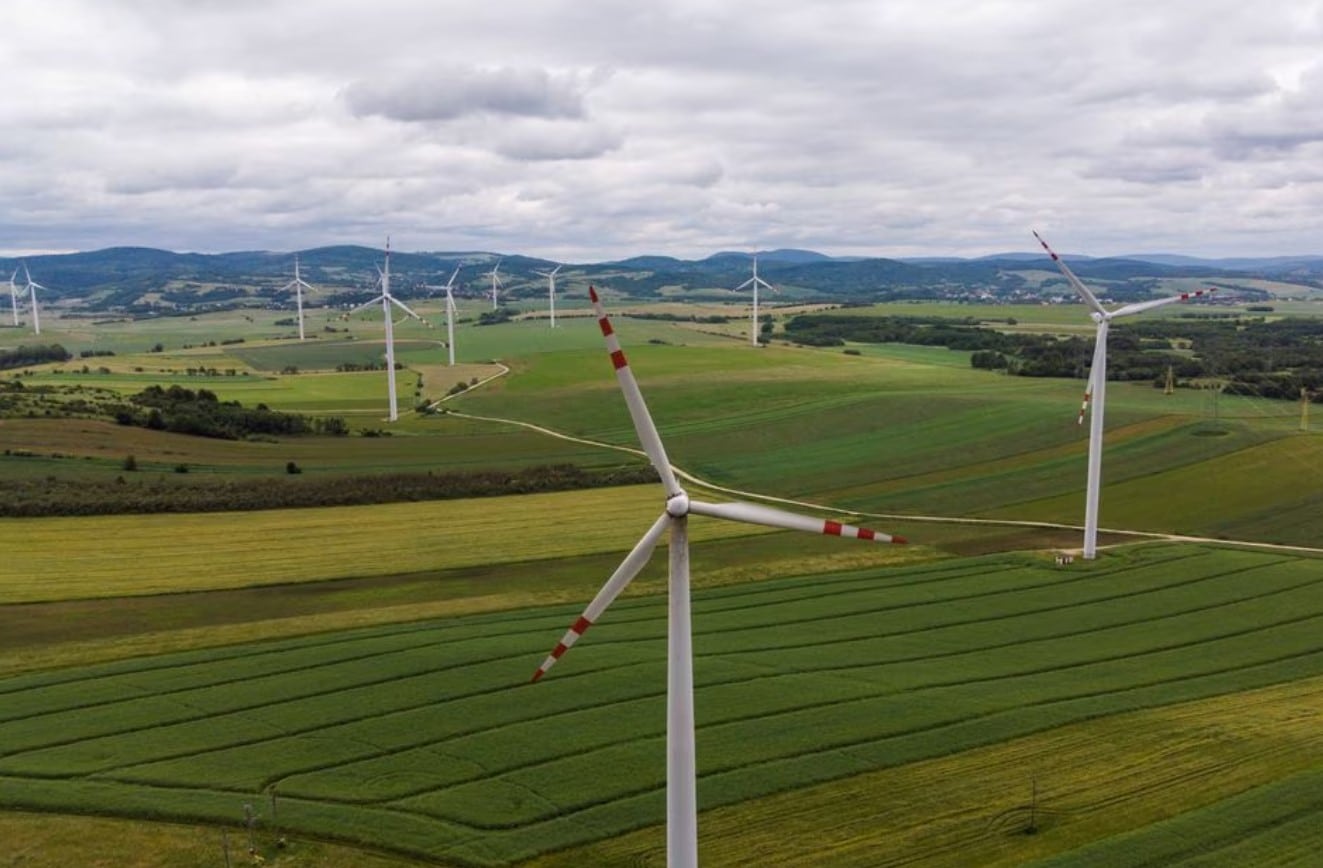
Plenum on Thursday rejected a referral by President Nikos Christodoulides concerning legislation on renewable energy sources (RES), which includes a ban on installations on fertile agricultural land.
The vote saw 15 MPs in favour of accepting the referral and 26 against.
The referral concerned a provision prohibiting RES projects on fertile or irrigated land, land consolidation areas and protected zones.
The executive branch had argued that the restriction could limit the expansion of renewables and potentially jeopardise Cyprus’ 2030 energy targets. It also raised concerns over separation of powers, property rights and ambiguity in the legislation.
Chair of the House agriculture committee and Akel MP, Yiannakis Gavriel, expressed regret over the referral, noting that the law had been unanimously approved by parliament to put an end to what he described as “anarchy” in the installation of RES projects on fertile agricultural land.
He accused the government of maintaining an uncontrolled situation and of “inventing reasons” to serve specific interests, rejecting the referral outright.
Greens MP Charalambos Theopemptou pointed to Cyprus’ obligation since 2023 to designate areas suitable for renewable energy development, highlighting delays, lack of coordination between ministries and limited transparency in licensing procedures.
Independent MP Costis Efstathiou said parliament intervenes when the state fails to regulate key issues, dismissing claims that the law undermines renewable energy development. He stressed that growth “cannot take place without limits” and described the executive’s objections as unfounded.
MP Alexandra Attalides argued that property rights do not automatically equate to development rights, noting pressures in Cyprus to exploit private land – a practice she said is not common internationally.
Dipa MP Alekos Tryfonides said he supports Akel’s position, adding that many of the restrictions on RES development on agricultural land were already in place.
On the other hand, Didy MP Onoufrios Koulla said that while the legislation has good intentions, a blanket ban creates problems as it extends to private land and may prevent farmers from installing photovoltaic systems.
He called for a more balanced approach to restrictions and confirmed he would support the president’s referral.



Click here to change your cookie preferences