
Cyprus’ healthcare system is operating under sustained pressure due to a structural shortage of nurses, with delays in workforce reforms affecting both private hospitals and services operating under the national health system (Gesy), the employers’ federation (Oev) warned on Tuesday.
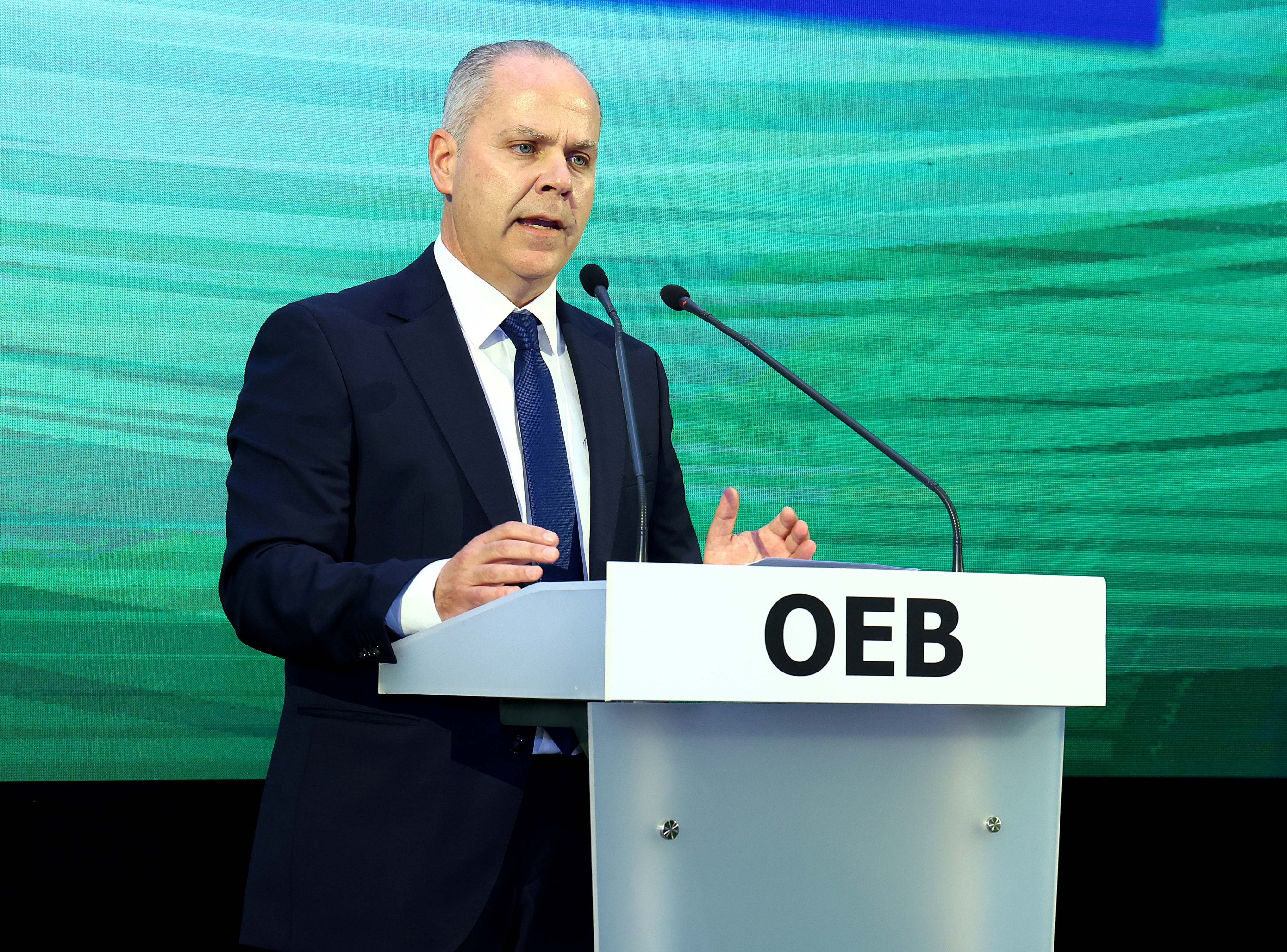
Speaking at the federation’s annual general meeting in Nicosia, Oev president George Pantelides said “the system remains exposed due to reliance on limited labour supply and regulatory constraints,” calling for “targeted and coordinated policy responses” to stabilise staffing levels across healthcare services.
The federation said unresolved staffing gaps are already affecting service delivery in both public and private healthcare structures.
Healthcare providers and employer organisations estimate a shortfall of at least 580 nurses across the system, with some sector assessments indicating higher figures when rehabilitation, community care and palliative services are included.
European comparative data referenced during the event placed Cyprus at approximately four to five nurses per 1,000 inhabitants, below the EU average of eight to nine.
The nurse-to-doctor ratio in Cyprus remains close to 1:1, significantly lower than the European average of more than 2.5 nurses per doctor.
Private healthcare providers have reported that shortages are already affecting operational capacity.
Private hospitals association (Pasin) president Marios Karaiskakis earlier commented that “the lack of nurses is an endemic issue across the healthcare sector,” citing retirements, expanding service demand and limited recruitment pools as key contributing factors.
Oev has also criticised delays in legislative reforms intended to allow the controlled recruitment of nurses from third countries.
Proposed amendments under parliamentary discussion would permit foreign nurses under regulated conditions, including a cap of 10 per cent of staff per facility, Greek language requirements, and restrictions on senior clinical roles.
The proposal also includes removal of the requirement for postgraduate qualifications for certain foreign-trained nurses, a condition employers argue has significantly limited recruitment options.
Oev has previously warned that continued regulatory delays risk “enormous dissatisfaction” across healthcare providers.
The issue has remained stalled in parliament following opposition from nursing unions and professional groups, which argue that workforce shortages cannot be resolved through recruitment alone.
Union representatives have said that structural problems, including workload, pay levels and staffing ratios, must be addressed first.
Nursing groups have also raised concerns about service quality and patient safety, with one representative stating that “health cannot be treated as a commodity,” and calling for improved staffing levels and collective agreements.
Employers have warned that continued shortages could place pressure on compliance thresholds, particularly in smaller private facilities.
The Health Insurance Organisation (HIO), which administers Gesy, has also faced parliamentary scrutiny over system sustainability, with MPs highlighting the dependency of service delivery on adequate staffing levels.
Oev said it will convene healthcare sector stakeholders to assess the impact of ongoing shortages and consider coordinated responses.
The federation stated that the aim is to prevent further deterioration in service capacity and ensure continuity of care across both public hospitals and Gesy-affiliated providers.
Pantelides said the situation requires coordinated action, stating that “system stability depends on ensuring adequate workforce capacity across all services.”




Click here to change your cookie preferences