
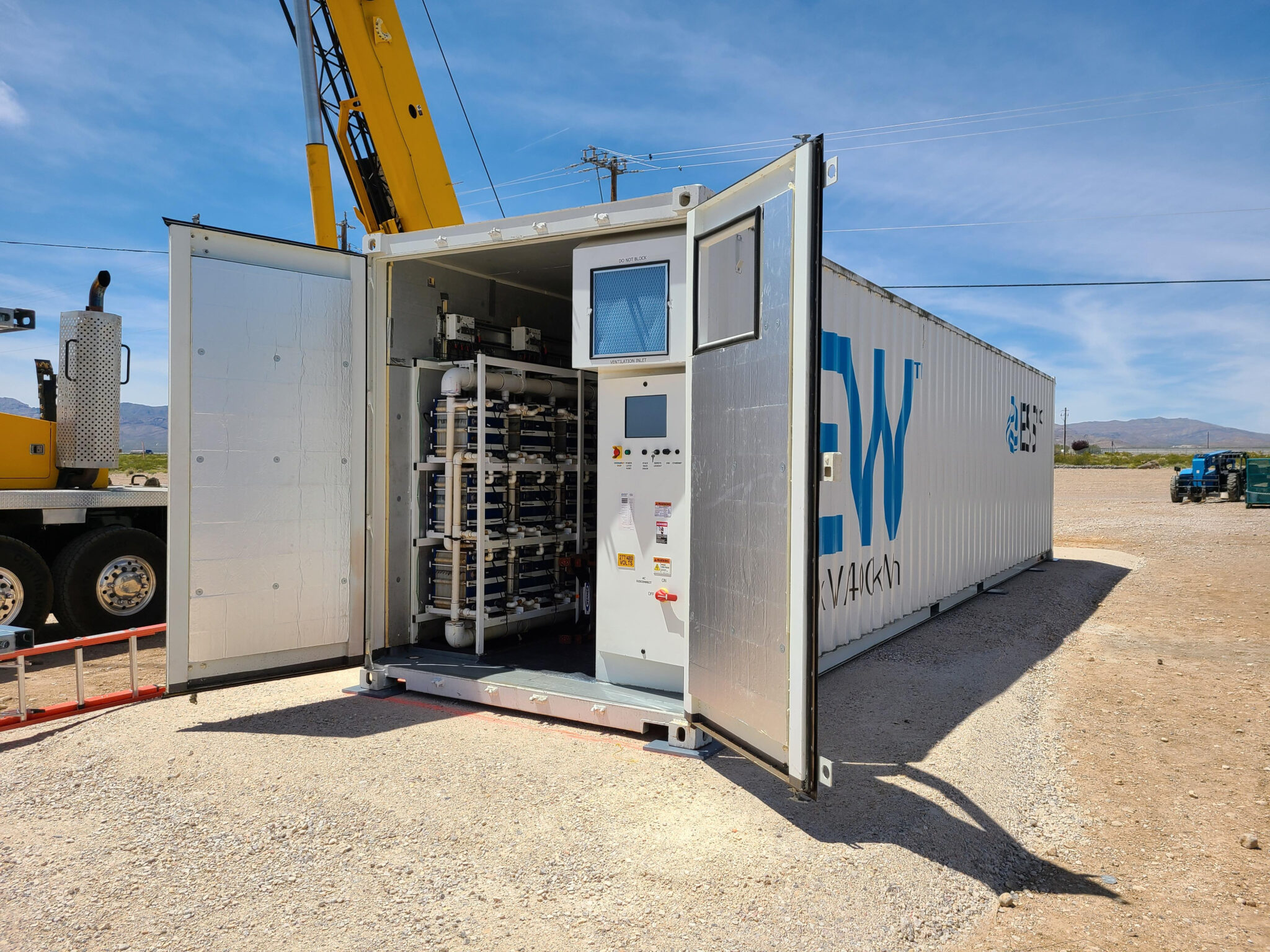
Cyprus’ lack of energy storage capacity was lamented by the energy markets association on Friday, which declared that energy storage “cannot remain hostage to delays”.
It said that it is both concerned and dissatisfied “over the prolonged and unjustified delay in promoting energy storage projects”, which, it said, is “clearly serving to the detriment of consumers, businesses, investments, and the smooth operation of the country’s electricity system”.
“Energy storage is a fundamental pillar for the stability and security of the electricity system, as well as for substantially enhancing the penetration of renewable energy sources into the energy mix,” it said.
As such, it added, delays in the creation of storage capacity “directly undermines” Cyprus’ efforts to transition to renewable energy and away from fossil fuels.
It attributed delays in the creation of storage capacity to the transmission system operator (TSO) and electricity authority (EAC) issuing terms of connection to would-be storage providers late.
Terms of connection are legal documents signed by network operators and private users – in this case, storage providers – which define the technical specifications and other rights and responsibilities related to the service they provide.
The energy markets association said on Friday that “in many cases”, the time taken for those terms of connection to be issued “exceeds 12 months”, and added that as such, it had both penned a letter to the Cyprus energy regulatory authority (Cera) and raised the matter in a meeting with Energy Minister Michael Damianos in March.
It added that it has now also sent a letter to President Nikos Christodoulides requesting that he “personally intervene”.
Cyprus’ comparative lack of energy storage facilities has in the past seen solar farms temporarily cut off from the island’s electricity grid as more electricity is being produced than is required and there is nowhere to store it.
Last year, Damianos’ predecessor George Papanastasiou had said that the EAC was to install 40 megawatts worth of storage capacity and had requested the ability to install another 40, while also calling on private individuals and companies should attempt to install their own energy storage facilities.
“The aim is to provide other assistance … but at the same time, we also expect private individuals to proceed with initiatives to install storage. Storage must be increased within the network, so we can extend the amount of time when energy is coming from renewable sources,” he said.





Click here to change your cookie preferences