
The credit ratings agency Fitch on Saturday confirmed the Republic’s long-term A- rating with a positive outlook, citing strong fiscal results, ongoing debt deleveraging, favourable growth prospects and Cyprus’ EU and Eurozone membership as key drivers for its fiscal resilience.
“It is particularly gratifying for the small and open economy of Cyprus that International Rating Agencies such as Fitch certify the resilience of the Cypriot economy and maintain its creditworthiness at investment grade, keeping its outlook unchanged,” Finance Minister Makis Keravnos said in a statement after the publishing of the report.
Referring to the “volatile environment” in which the Cypriot economy currently operates, Keravnos described the latest developments as especially positive and said the economy’s prospects remained broadly favourable despite ongoing uncertainty.
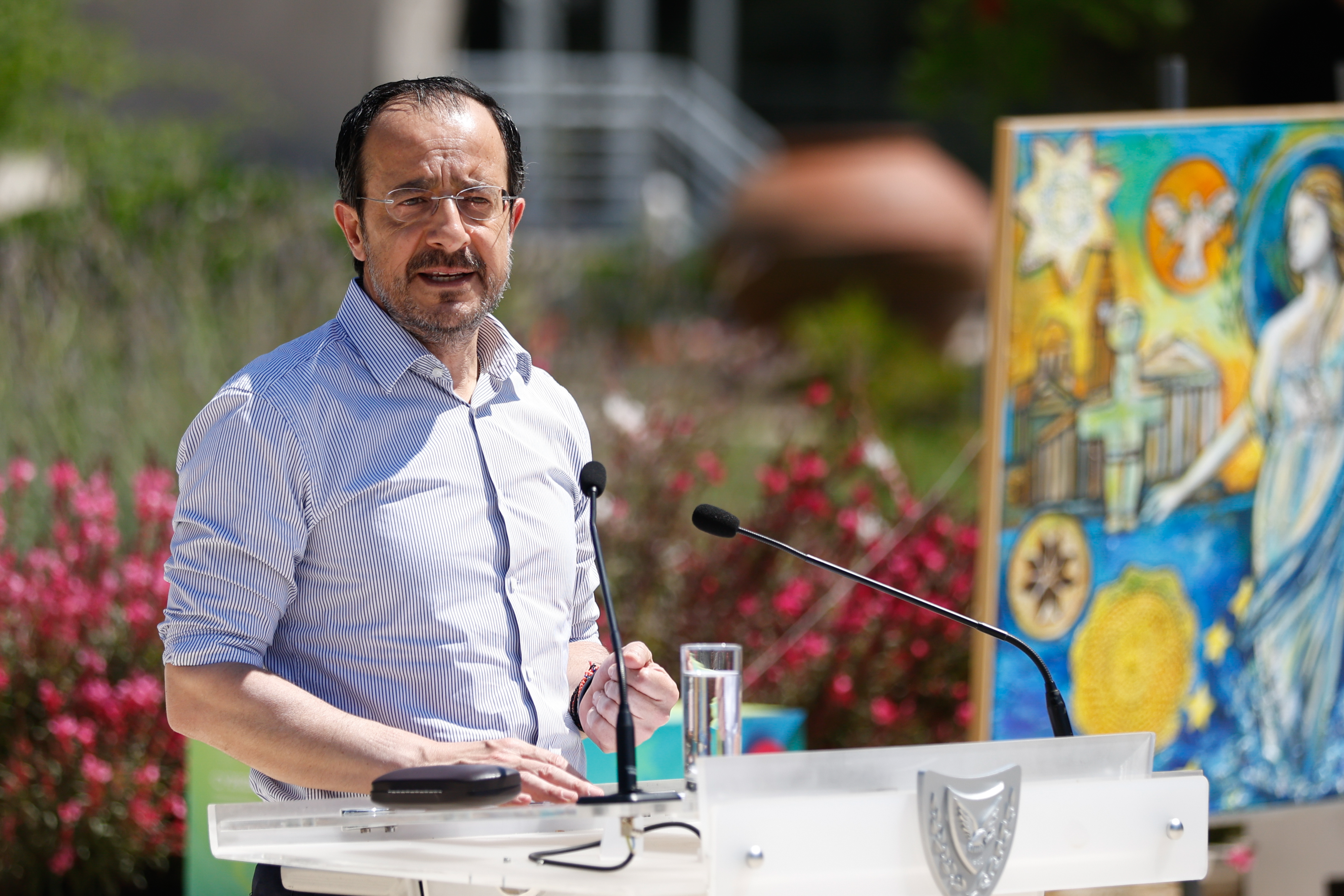
President Nikos Christodoulides described the rating as a “strong vote of confidence”.
“The confirmation of the Republic of Cyprus’s rating by Fitch at A-, with a positive outlook, constitutes another strong vote of confidence in the economic course of our country.,” he said.
He underlined the importance of the rating in the current geopolitical context, highlighting the latter’s wider impacts on economy, society and the market.
“Strengthening the credibility of our country acts as a shield for the economy, as a supporting force for businesses and as a prerequisite for a social policy that returns tangible benefits to citizens,” he said.
Fitch noted that Cyprus’ strengths are balanced against comparatively weaker governance indicators than those of peer countries, as well as vulnerabilities related to external finances and regional political tensions stemming from the island’s division.
In assessing Cyprus’ creditworthiness, Fitch also considered the resilience of the economy to external shocks, including the war in Iran, given Cyprus’ geographical position and energy dependence.
According to Fitch, the war is not only impacting energy prices but indirectly affects growth, external balance and inflation.
The agency said these pressures are more pronounced in Cyprus than in many other EU countries, although their impact is currently moderate and expected to be temporary.
Fitch said that partly being countered through Cyprus’ accelerating economic diversification, solid macroeconomic fundamentals, and what it described as “significantly improved” public and private sector balance sheets.
However, Fitch warned that any escalation or prolongation of the conflict could place additional pressure on investment, tourism and trade.
In this context, Fitch finds that government support to mitigate the effects of the war in the Middle East have been “relatively modest”, reaching only 0.1 per cent of the GDP.
Regarding growth, Fitch forecasts that GDP expansion will slow to an average of 2.6 per cent between 2026 and 2027, down from 3.8 per cent in 2025. While below Cyprus’ medium-term growth potential of 3 per cent, the projected rate remains broadly in line with the 2.4 per cent average growth forecast for other countries rated “A”.
The agency also highlighted Cyprus’ strong fiscal performance, noting that the country continues to outperform other Eurozone and A-rated economies and is expected to record the EU’s highest fiscal surplus in 2025 at 3.4 per cent of GDP.
Fitch said the upcoming parliamentary elections could create a “challenging political environment” due to increased political fragmentation, but it does not expect any significant shift in fiscal policy.
“(…) the strong consensus across the political spectrum regarding fiscal prudence indicates that there will be no significant changes in fiscal policy,” Fitch said.




Click here to change your cookie preferences