

New documentary sheds light on motherhood in Cyprus
Upon leaving the hospital with a newborn, new mothers are often expected to possess immediate knowledge of how to look after a child; a situation often assumed as coming naturally to a woman. For most mothers, the truth is far more complex, as it is influenced not only by compassion and commitment but also by fatigue and stress.
These are some of the issues explored in MAMMA, a new documentary by RESET and Filmhouse Pictures, which reveals less discussed aspects of motherhood in Cyprus.
Dr Eliza Patouris, co-founder and managing director of RESET, and Stephanie Kalavazidou, communication and impact manager at RESET, say the project grew out of both research and lived experience.
“MAMMA began as an exploration of personal questions we were both grappling with about motherhood and care in Cyprus,” they say.
And as their research progressed, they realised something. “We kept encountering the same stories of women navigating motherhood within systems that take their care for granted,” they explain, raising a central question that shaped the documentary: “What does it mean to be a mother in a society that celebrates motherhood but rarely supports it?”
One of the issues highlighted in the documentary was the subject of mental health, a critical problem for many mothers in Cyprus, but a topic that was not openly discussed enough.
“The most unspoken yet most common issue is mental health,” they say, citing findings from their 2024 survey in which “86 per cent of 250 women said motherhood had negatively affected their mental health in their past year.” A reflection of the wider reality that many struggle to balance multiple demands with limited support.
“This decline in mental health is driven by multiple factors, including balancing paid work and caregiving, the absence of reliable support networks, and high stress lifestyles,” they explain. “Burnout, postpartum depression, and anxiety are widespread.”
In addition, the strains of contemporary motherhood are not just psychological but social. Today, they say mothers are expected to meet the demands of both their professional and social lives without any genuine assistance.
“Mothers carry a unique, often overwhelming ‘double burden’, expected to manage a household and childcare duties with the same intensity as 50 years ago, while also maintaining full time employment and meeting today’s high pressure parenting standards.”
They explain that many of these pressures start in the earliest stages of motherhood, a time often filled with physical, emotional and practical challenges that women are expected to handle mostly by themselves. As they describe it, “Motherhood in all of its dynamics, is hard. It’s a transformative experience, often involving a ‘matrescence’ period – a radical, identity-altering transition comparable to adolescence.”.
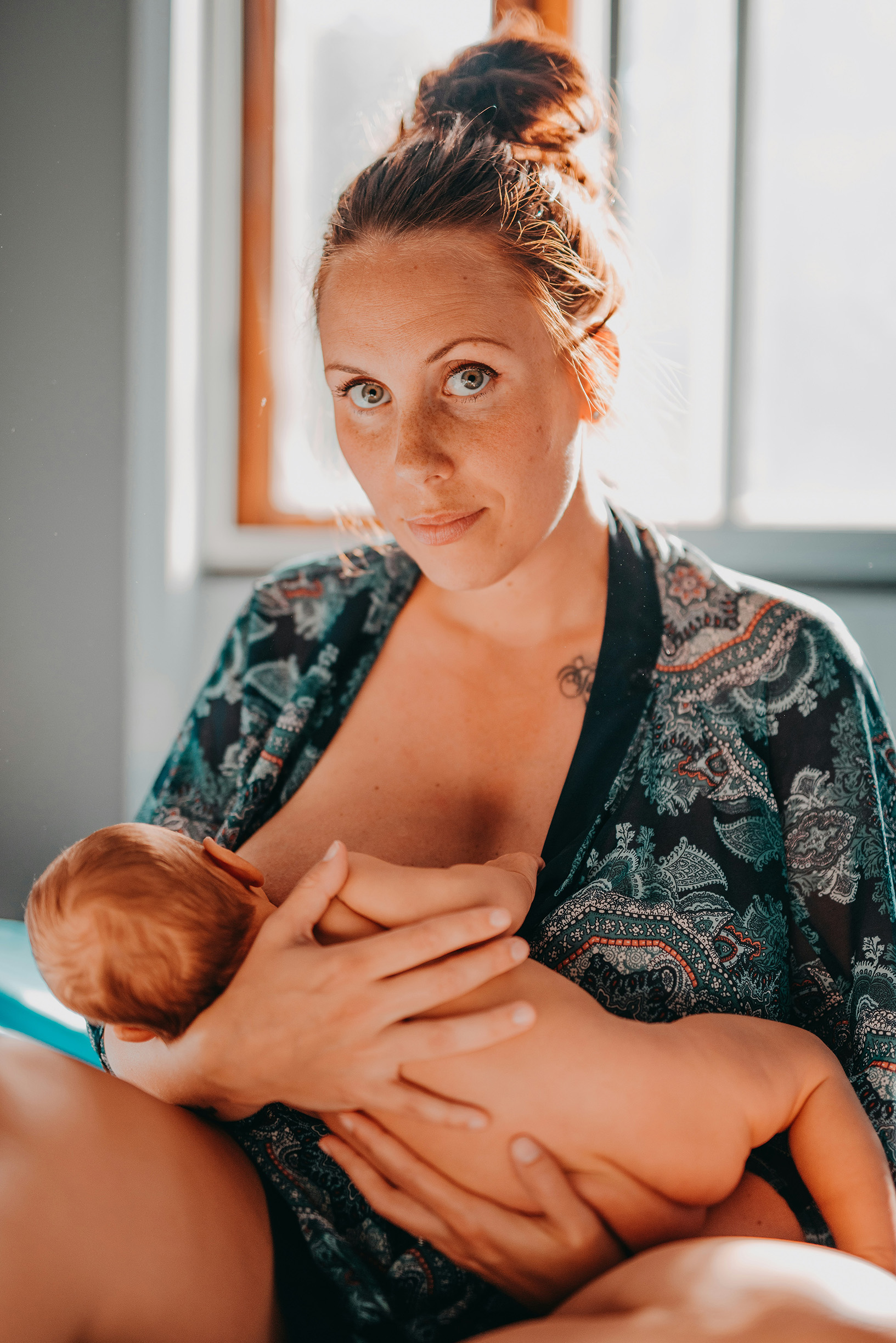
Breastfeeding was a topic that came up repeatedly during filming. “Mothers discussed the disparity between their expectations and actual experiences; they wished to breastfeed but encountered physical and emotional difficulties that made them feel overwhelmed, unsupported and often guilty,” they say.
According to them, such an experience can be complicated due to the conflicting expectations placed on new mothers. As one participant put it, breastfeeding can be a ‘double-edged sword’: “if you don’t breastfeed, you’re judged, but if you breastfeed for too long, you’re judged as well.”
Something that stuck out the most was the fact that there was not enough support provided at this stage. “What is striking was how often this was accompanied by a lack of meaningful support, leaving women to navigate these challenges largely on their own during the very first weeks of motherhood, one of the most vulnerable periods,” they said.
A period, during which a woman’s body undergoes great bodily changes. In fact, right after giving birth, “a woman’s body undergoes one of the most dramatic hormonal shifts a human body can experience”, often referred to as a “crash” or “rollercoaster”, all of this while having to manage the demands of caring for a newborn.
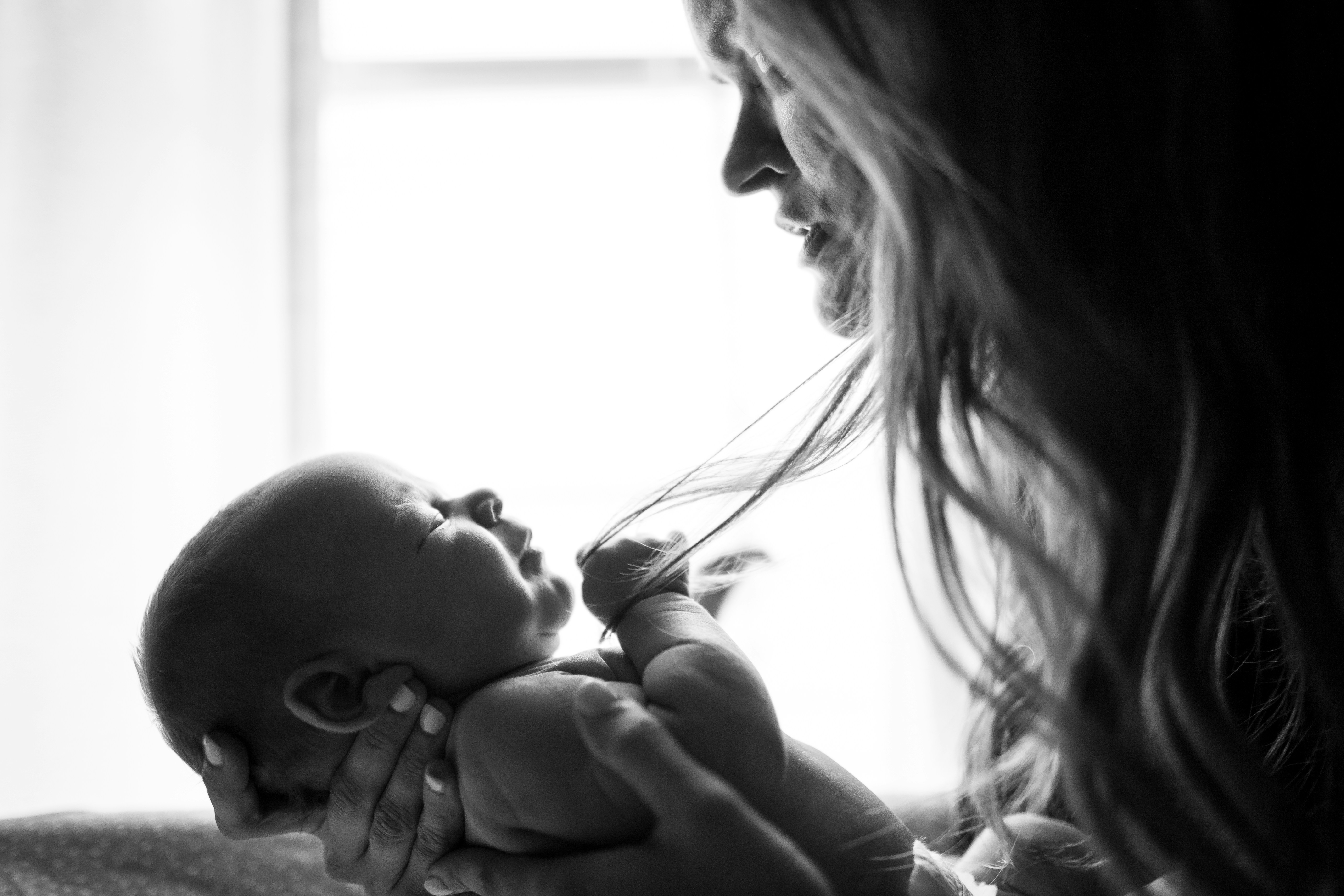
Beyond personal experiences and difficulties, the documentary also points to a wider problem within the structure of society itself. “Motherhood in Cyprus is not invisible; the struggles that accompany it are,” they say.
The main problem here can be seen as an outdated system that fails to provide support for parents today. As expectations and norms change, social support mechanisms have yet to catch up.
“Caregiving still falls primarily to mothers, reinforced by structural choices such as the mere two weeks of paternity leave granted to fathers,” they explain.
Many families find themselves forced to seek informal support networks to manage everyday life. “Grandparents often become the invisible scaffolding holding families together – an invaluable safety net that allows parents to breathe,” they say, while noting that although such support is essential, it cannot substitute broader structural obligations.
For the creators, filling in these gaps implies more than just raising awareness; it calls for tangible action. “In MAMMA, we emphasise that meaningful change requires moving beyond isolated solutions and structural reform that holistically addresses care, employment and family life,” they explain.
Some key priorities: the need for extended parental leave and strict implementation of workplace equality. As they put it, “It’s no coincidence that countries ranking highest in gender equality, workforce participation, and family wellbeing offer longer and more flexible parental leave policies”.
“The ‘motherhood penalty’ continues to be a daily reality,” they say, referring to a world where mothers are often perceived as less available or devoted after having children, but expected to carry the majority of caregiving responsibilities.
They hope that the documentary creates room for discussions that have been avoided. And for many who have already engaged with the film, that process might already be underway. “Mothers, finally, felt seen.”
The documentary can be watched on YouTube


Click here to change your cookie preferences