
The global smartphone market expanded by one per cent year-on-year during the first quarter of 2026, according to a report by market intelligence firm Omdia.
The industry saw total shipments reach 298.5 million units as vendors accelerated activity to stay ahead of rising component costs.
This performance exceeded initial expectations primarily because companies like Samsung and Apple engaged in front-loading, which involves shipping products early to mitigate the impact of anticipated inflation in memory and storage prices.
However, the quarter was marked by a growing disconnect as macroeconomic headwinds and persistent inflation compressed household budgets, causing a decline in actual consumer spending.
Experts believe this imbalance will lead to a significant market correction throughout the second quarter and the remainder of 2026.
Samsung successfully defended its position as the top global vendor by shipping 65.4 million units, representing an eight per cent increase compared to the same period in 2025.
The South Korean firm benefited from a resilient portfolio, where the entry-level A-series anchored volumes in emerging markets while the Galaxy S26 series attracted premium buyers.
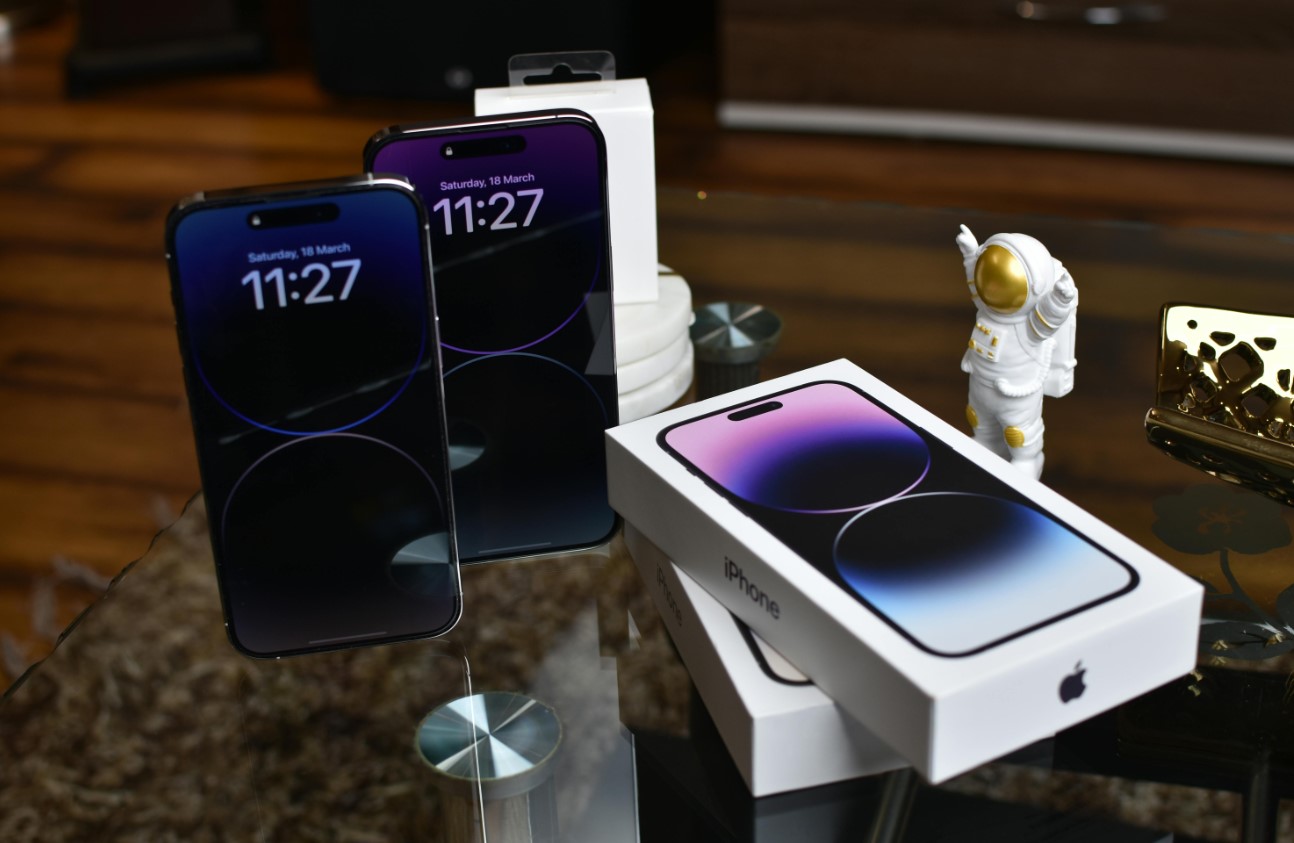
Apple recorded a ten per cent rise in shipments to reach 60.4 million units, largely driven by the popularity of the iPhone 17 series.
The newly launched iPhone 17e made a significant impact in the European Union and Japan, while the Pro and Pro Max models saw a forty-two per cent surge in Mainland China.
In contrast, Xiaomi suffered the most dramatic decline among the leading players, with shipments falling by nineteen per cent to 33.8 million units.
Because more than half of its products are priced below two hundred dollars, the brand is highly vulnerable to memory cost inflation, which has tightened profit margins.
Oppo, which includes the realme and OnePlus brands, occupied fourth place with 30.7 million units, a six per cent drop year-on-year.
Vivo followed in fifth place, seeing its shipments decrease by seven per cent to 21.3 million units as the industry adjusted following a busy end to the previous year.
Honor stood out as the fastest-growing vendor within the top ten, shipping 19.2 million units and more than doubling its volume in the Middle East and Africa.
Despite its international success, the company saw its domestic performance in Mainland China dip under intense competitive pressure.
The current market environment is being shaped by a cycle of supply-side disruptions where rising costs for processing components incentivise partners to pull orders forward.
This front-loading has created an inventory overhang, as vendors and channel partners build excess stock to hedge against future price increases.
While the supply side remains active, consumer demand is diverging as inflation in essential categories forces people to extend their phone replacement cycles.
Pricing pressure is becoming particularly evident in the entry-level segment, where companies are passing higher costs directly to price-sensitive consumers in emerging markets.
“The Q1 2026 performance reflects a market where supply-side dynamics have temporarily distorted underlying demand signals,” said Omdia Research Manager Le Xuan Chiew.
“Front-loading activity across both vendors and the channel lifted shipments in the near term, but this has created an inventory overhang that will weigh on subsequent quarters as demand normalises,” Le Xuan Chiew added.
The industry is expected to transition into a phase of adjustment as the excess stock is slowly absorbed against a backdrop of weakening demand.
Inflationary pressures are likely to have a lagged impact on the second half of the year as the cumulative effect on real incomes becomes fully visible to households.
Consequently, vendor priorities are shifting toward protecting profit margins and managing inventory risks rather than pursuing aggressive volume growth.
Market performance in the latter half of 2026 faces downside risks as shipments align more closely with cautious consumer expectations.
“The smartphone market has entered a period that will be defined by significant disruption and structural change,” said Omdia Principal Analyst Runar Bjorhovde.
“Supply-side pressures, particularly across DRAM and storage, have intensified over the past nine months and will remain a critical factor shaping market dynamics over at least the next two years,” he concluded.





Click here to change your cookie preferences