
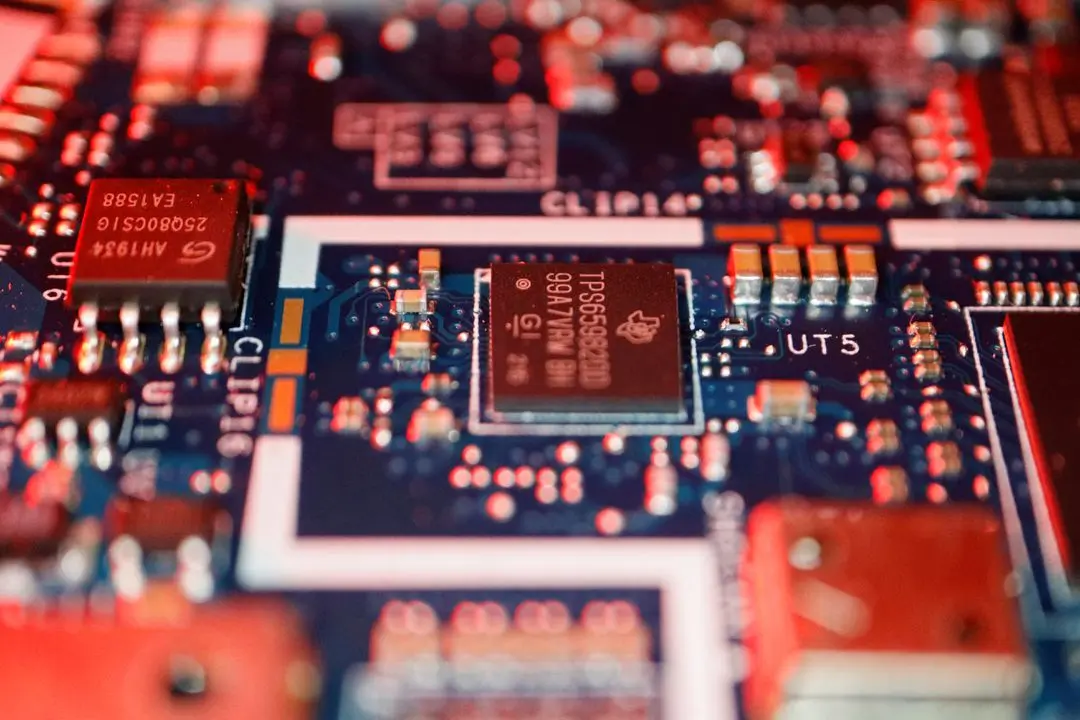
Market intelligence firm Omdia has significantly increased its semiconductor revenue forecast for 2026 to 62.7 per cent, pointing to unprecedented growth in DRAM and NAND markets driven by sustained demand and ongoing supply shortages.
The revised outlook reflects continued constraints in memory supply, which are expected to persist throughout the year and underpin strong pricing dynamics.
According to the analysis, the DRAM market is forecast to nearly double in value, while the smaller NAND segment could quadruple compared with 2025, highlighting the scale of expansion in memory technologies.
Supply challenges are being intensified by the industry’s shift towards High Bandwidth Memory (HBM) production, which delivers lower output volumes but commands significantly higher prices.
At the same time, strong enterprise and data centre demand is expected to shape the overall market trajectory in 2026.
The report indicates that meaningful supply relief is unlikely before well into 2027, suggesting continued pressure on availability and pricing.
A key driver behind this growth is a major server refresh cycle being implemented by enterprises in 2026, coinciding with elevated investment levels from hyperscalers.
Organisations are increasingly retiring legacy hardware to support more demanding workloads, creating a substantial opportunity given the scale of existing installed systems.
This transition is accompanied by a shift towards higher-value system designs, built on next-generation silicon and advanced connectivity solutions.
Combined with ongoing component shortages, this trend is expected to push average selling prices higher across the sector.
In terms of sector performance, computing and data storage are set to lead semiconductor revenue growth, rising by 90 per cent year-on-year in 2026.
The segment is projected to exceed 700 billion dollars in value, supported by robust demand for data centre servers and memory-intensive applications.
Elevated memory IC pricing is also playing a critical role in driving overall revenue expansion.
Beyond enterprise computing, consumer electronics and wireless applications are also expected to contribute positively to semiconductor growth in 2026.
Although smartphone shipments are projected to remain relatively flat, revenues are forecast to increase due to higher memory prices, which are raising overall bill of materials costs.
The market is expected to see multiple flagship smartphone launches, alongside the usual cycle of model updates.
This includes a new wave of foldable devices and feature-rich models, incorporating artificial intelligence-enabled capabilities such as advanced photography.
In parallel, smartwatches and fitness and wellness wearables are projected to deliver meaningful revenue growth, adding further momentum to the sector.
Looking ahead, industry analysts highlight the transformative role of artificial intelligence in shaping demand.
“Supporting the progression of AI beyond simple question and answer use cases has exponentially increased demand for memory and processing integrated circuits, fuelling semiconductor industry revenues overall,” said senior principal analyst at Omdia Myson Robles-Bruce.
He also pointed to emerging uncertainties around supply capacity and long-term returns.
“However, questions remain around how quickly suppliers can scale capacity and output, and in the longer term, which applications will generate sufficient return on investment to justify the current levels of capital expenditure in AI,” he said.
At the same time, the industry continues to face broader challenges.
These include macroeconomic pressures such as tariffs, energy costs and geopolitical tensions, which could affect growth dynamics.
There are also risks associated with the scale of capital being allocated to artificial intelligence infrastructure, particularly if returns fail to meet expectations.
Current growth in semiconductor revenues is being driven primarily by higher average selling prices rather than increases in unit shipment volumes.
Similar patterns have been observed in past cycles, including those linked to crypto mining and earlier memory market expansions.
However, the report emphasised that the scale and breadth of the current growth cycle are unprecedented, marking a new phase for the global semiconductor industry.
The outlook for surging semiconductor revenues and rising memory prices carries direct implications for Cyprus, particularly for its growing technology and digital sectors.
The Cyprus Information Technology Enterprises Association (CITEA) has already warned that sharp increases in RAM prices and other critical components are placing pressure on companies operating in the local market.
Following a meeting with Deputy Minister of Research, Innovation and Digital Policy Nicodemos Damianou, the association highlighted that rapid growth in artificial intelligence, geopolitical developments and supply chain pressures are creating instability and unpredictable pricing conditions.
It stressed that the market has reached a critical turning point, with businesses required to deliver projects amid continuous cost increases and reduced visibility.
“Without immediate adjustment of the framework, projects are at risk of delays or cancellations,” the association said.
The warning reflects the broader global trend identified by Omdia, where rising demand for memory and processing power is pushing prices higher, particularly in sectors reliant on advanced computing infrastructure.
CITEA also cautioned that companies are increasingly hesitant to engage in public procurement.
“Companies are avoiding participation in tenders,” the association said.
“Financial risk in the sector is increasing significantly,” it added.
These developments suggest that Cyprus’ digital transformation efforts could face obstacles if cost pressures persist, especially in large-scale IT and infrastructure projects.
To address the issue, the association has proposed the creation of a European IT hardware price index, aimed at improving transparency and predictability.
The proposal seeks to support a fairer distribution of risk across Europe, particularly in a market characterised by volatile pricing.
The association confirmed that the proposal will be submitted to Digital Europe, with the aim of initiating discussions at European level and exploring its institutional adoption.
“CITEA will continue to intervene dynamically, both at the national and European levels, with the goal of protecting the market, ensuring the smooth implementation of projects, and safeguarding the country’s digital progress,” the association said.The situation highlights how global semiconductor trends are increasingly shaping local economic realities in Cyprus, particularly in sectors dependent on technology, innovation and digital infrastructure.




Click here to change your cookie preferences