
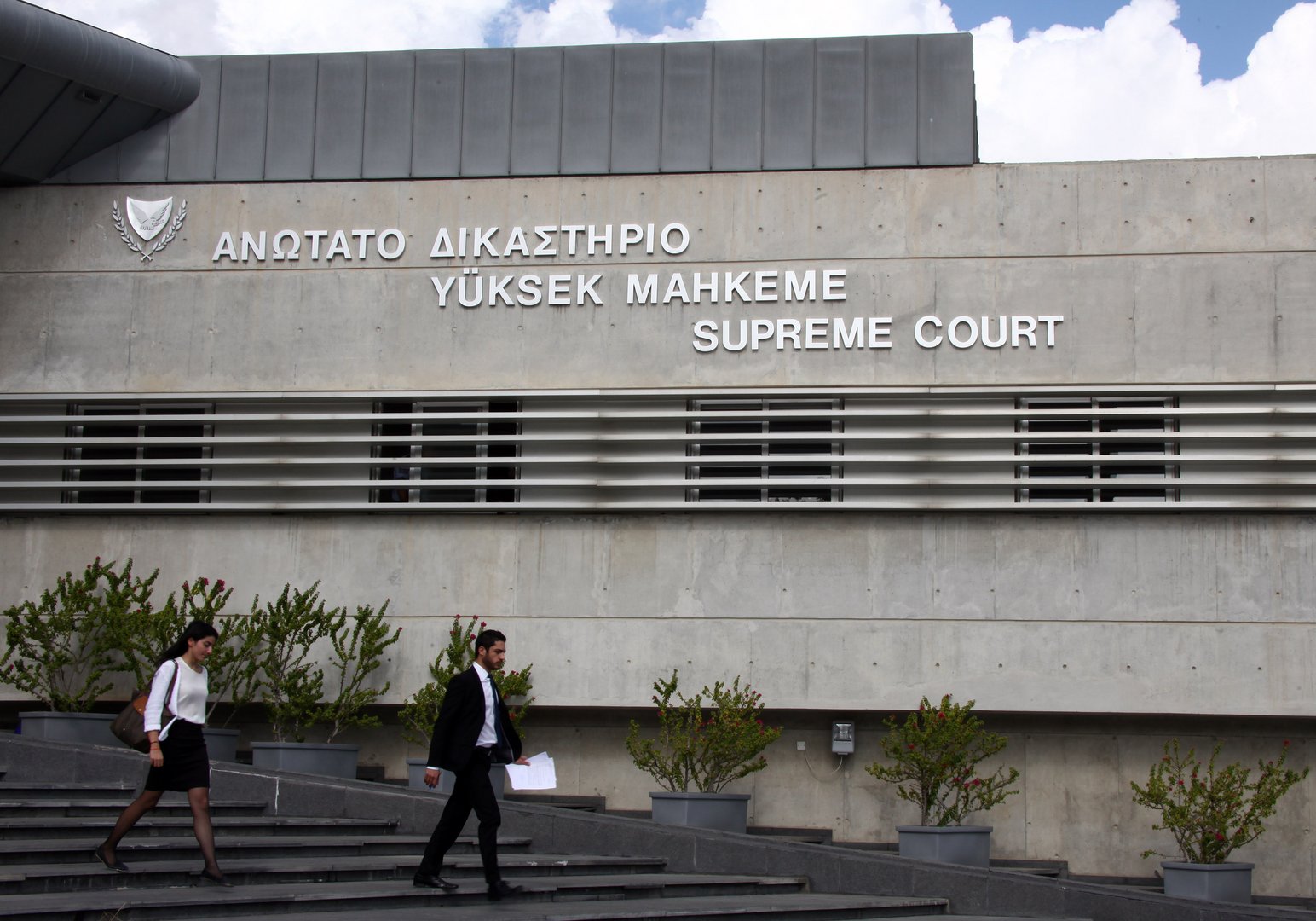
An application to annul a search warrant issued in the high-profile ‘Sandy’ case will be heard before the Supreme Court on Thursday at 8.30am.
The request concerns a warrant executed at the home of ‘Sandy’s’ former lawyer Nikos Clerides and is expected to be examined by Supreme Court judge Elena Efraim, in proceedings seen as carrying significant legal weight.
According to the same information, written submissions by the lawyers are being filed electronically on Wednesday, with arguments to be presented before the court on Thursday, effectively opening the substantive hearing of the case.
The development follows earlier reports that the application had already been submitted through the iJustice system, with a hearing date pending – now confirmed for within the week.
At the centre of the legal dispute is the issue of legal professional privilege and the protection of the lawyer-client relationship. Clerides’ side is raising serious objections over the manner in which electronic material was collected and the potential use of seized data.
The defence argues that the material may contain sensitive information relating to third parties, making it necessary – in its view – to ensure strict safeguards during its examination, including the possible involvement of an independent third party, ideally a representative of the bar association.
At the same time, the defence has described the police action as “disproportionate” and “unnecessary”, with former head of the bar association lawyer Christos Clerides stating that Nikos Clerides is not a suspect but a witness who had already cooperated with authorities by handing over relevant material.
According to that position, less intrusive means were available to obtain any additional evidence.
A key aspect of the proceedings is also a request for an interim order to prevent the use of the seized evidence until the court reaches a final decision.
It has been noted that if the application is upheld, the warrant could be annulled ab initio, meaning that any evidence obtained may ultimately be deemed inadmissible.





Click here to change your cookie preferences