
Cypriot economist warns of risks from Middle East crisis
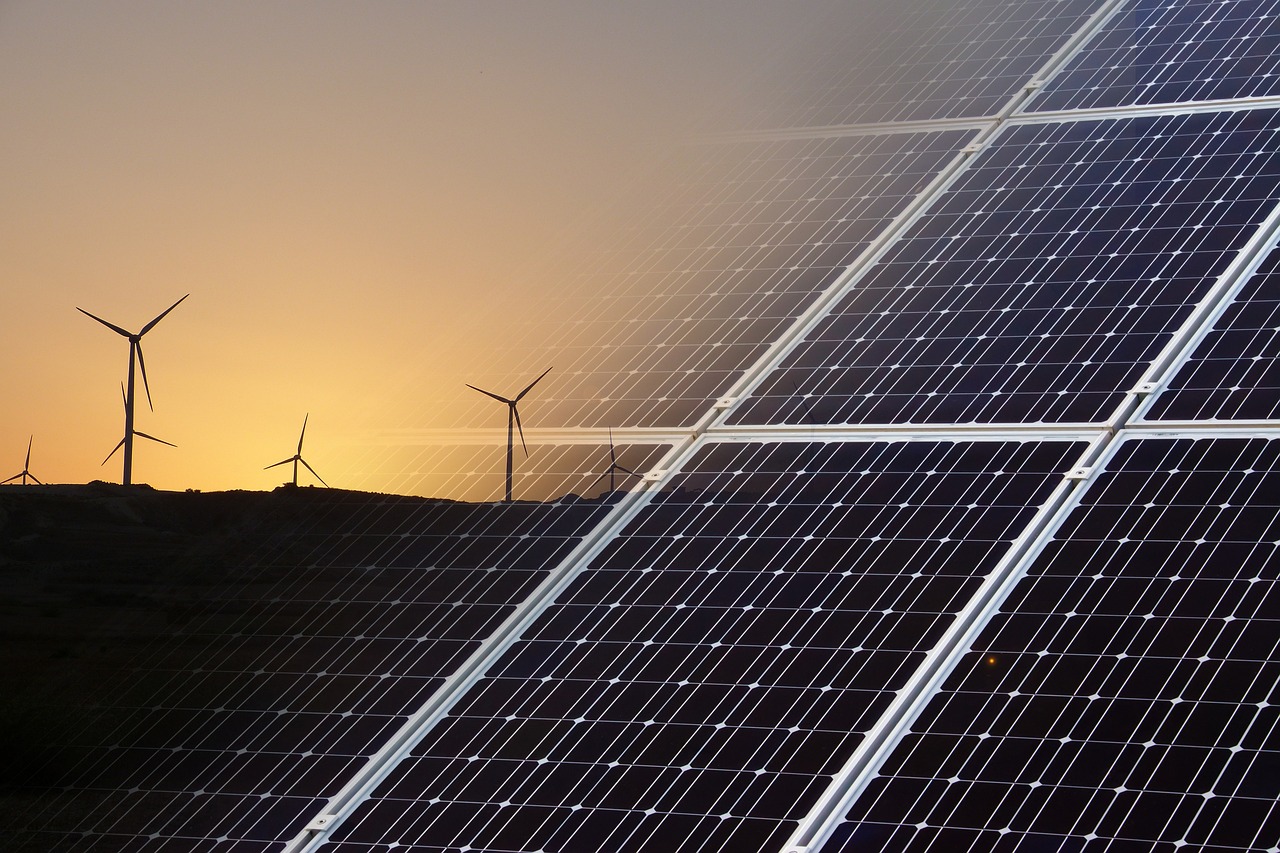
The green transition is the most sustainable solution for Cyprus’ economic and overall security, amid growing instability in the Middle East, according to University of Cyprus economics professor Marios Zachariades.
“The green transition constitutes the most permanent solution from the perspective of economic and overall security for Cyprus,” Zachariades told the Cyprus News Agency (CNA).
Speaking about the economic impact of conflicts in the Middle East, he warned that rising geopolitical tensions are already affecting global markets and could have lasting consequences.
He pointed out that oil prices have once again exceeded $100 per barrel, describing this as a key concern for the global economy.
“It has exceeded $100 again, there are fluctuations, but this is the first thing that causes concern and brings additional costs, which cannot simply be temporary because oil and energy infrastructure in the Gulf has been destroyed,” he said.
“This is now a real factor that cannot leave the global economy unaffected,” he added.
Zachariades also identified heightened uncertainty as a major risk, noting that shifting public statements from those involved in the crisis are adding to market instability.
“A great deal of uncertainty is being created, and if it is not largely resolved within the month, if we enter the final month of spring and still do not know what the coming weeks will bring, whether the Strait of Hormuz will reopen or whether there will be a broader ceasefire, then this uncertainty will increasingly affect investment decisions,” he explained.
He further warned of disruptions to global trade, highlighting that around one third of maritime fertiliser trade passes through the affected region, raising concerns about food production.
“This could have negative effects on food production and lead not only to an economic crisis but also to a humanitarian crisis,” he said.
Asked about possible responses, Zachariades said that countries currently have limited room for manoeuvre, particularly given the scale of the unfolding crisis.
“There are things that Europe and each country should have done much earlier, to a greater or lesser extent, but now every country has an incentive to retain, to the extent possible, reserves of oil, fertilisers and even food, which further complicates international trade,” he explained.
Moreover, he stressed that long-term planning is essential, pointing again to the need for a clear strategic shift towards green energy.
“This is the planning that should be done in time, and it is what we have been discussing for years in Cyprus but have not implemented, namely the green transition,” he said.
“Each time we provide energy subsidies that work against the green transition, and everyone agrees to them, whereas we should have had a long-term direction that takes us somewhere where we are not so exposed to oil price fluctuations,” he added.
Zachariades also mentioned that some European countries which advanced their green transition policies following the war in Ukraine may now be better prepared to handle the current shock.
However, he cautioned that immediate policy options remain constrained.
“It is difficult for a state to do many things at this moment,” he said.
At the same time, he emphasised the importance of fiscal discipline, particularly in the absence of strong inflationary or recessionary pressures.
“Because we do not currently have strong inflation or a recession, we should be very cautious with public finances, as if this crisis deepens, the state will need to support the economy for social and economic reasons,” he said.
Turning to tourism, Zachariades warned that the sector could soon face tangible impacts if uncertainty persists.
“As this situation continues and we enter the final month of spring, it will begin to negatively affect arrivals in a definitive way, at least for the first month of summer,” he said.
He suggested that authorities should respond by promoting Cyprus in markets less sensitive to geopolitical uncertainty.
“This requires monitoring and an effort to advertise the product perhaps in markets that are not as sensitive to this uncertainty,” he said.
At the same time, he pointed out that Cyprus could benefit from being perceived as a relatively safe destination.
“Markets in the Middle East may consider Cyprus as a relatively safe tourist or investment destination in the coming period, as when compared to other countries in the region, we are in a better position, and also because we are part of the European family,” he said.
Asked whether Cyprus’ energy programme and domestic resource exploitation could provide an interim solution, Zachariades dismissed this as a short- or medium-term option.
“We are still very far from exploiting these resources,” he said.
“This is a long-term solution with specific geopolitical conditions that are difficult to manage, including the Cyprus issue and others, so it is neither a short-term nor a medium-term option,” he added.
What is more, the professor reiterated that the green transition remains the most viable long-term strategy for Cyprus.
“Under certain conditions it could be a long-term solution, but for us the more permanent solution is to take the green transition seriously,” Zachariades said.
“Not to implement policies that systematically push in the opposite direction, and to treat it not only as an economic issue, but as a matter of both economic and broader national security,” he concluded.

Click here to change your cookie preferences