
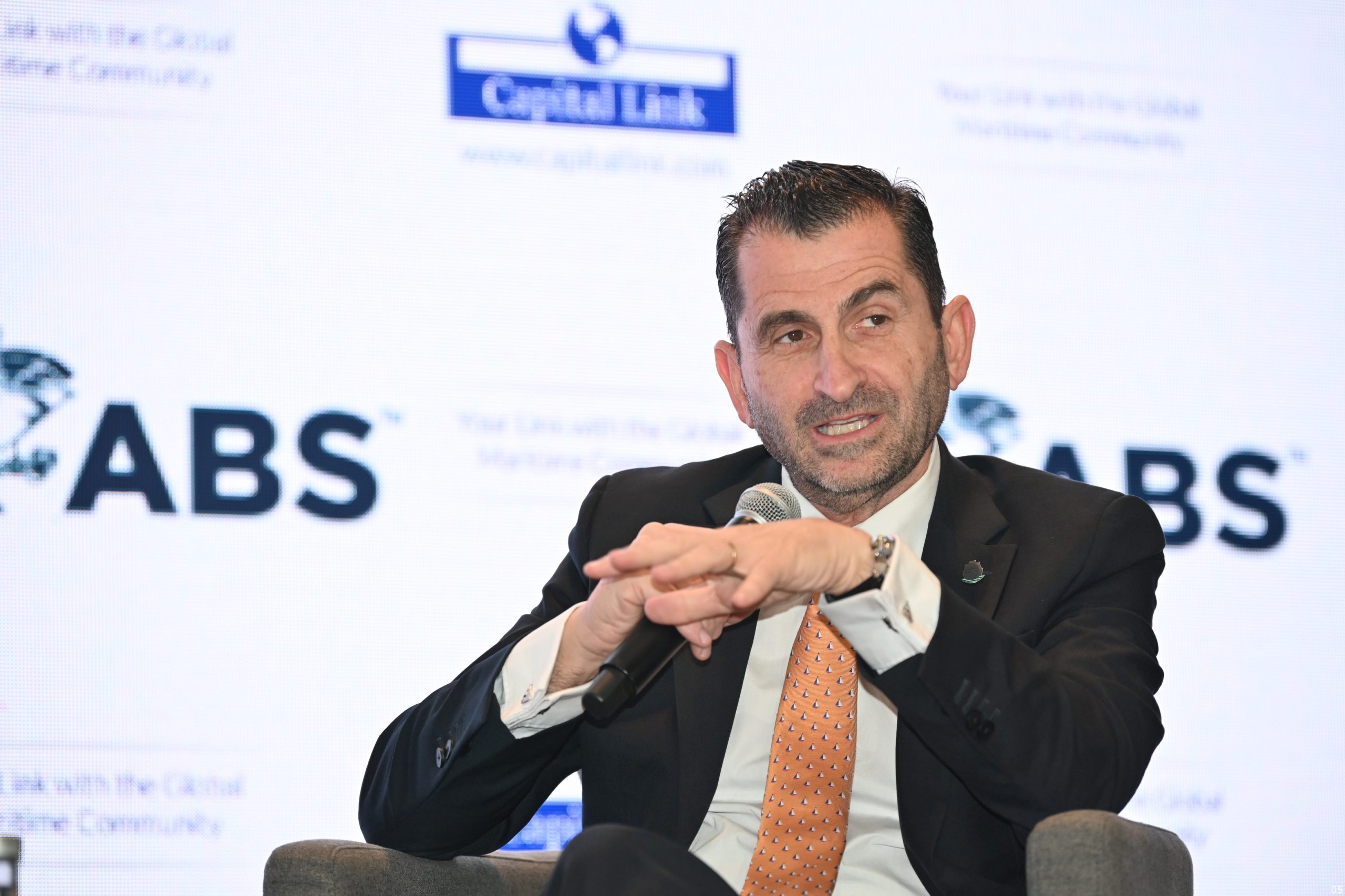
Global shipping leaders gathered in Singapore this week to discuss how geopolitical disruption, regulatory uncertainty, decarbonisation and digitalisation are reshaping the maritime industry, as the sector faces rising pressure across trade routes, finance, fuel choices and fleet operations.
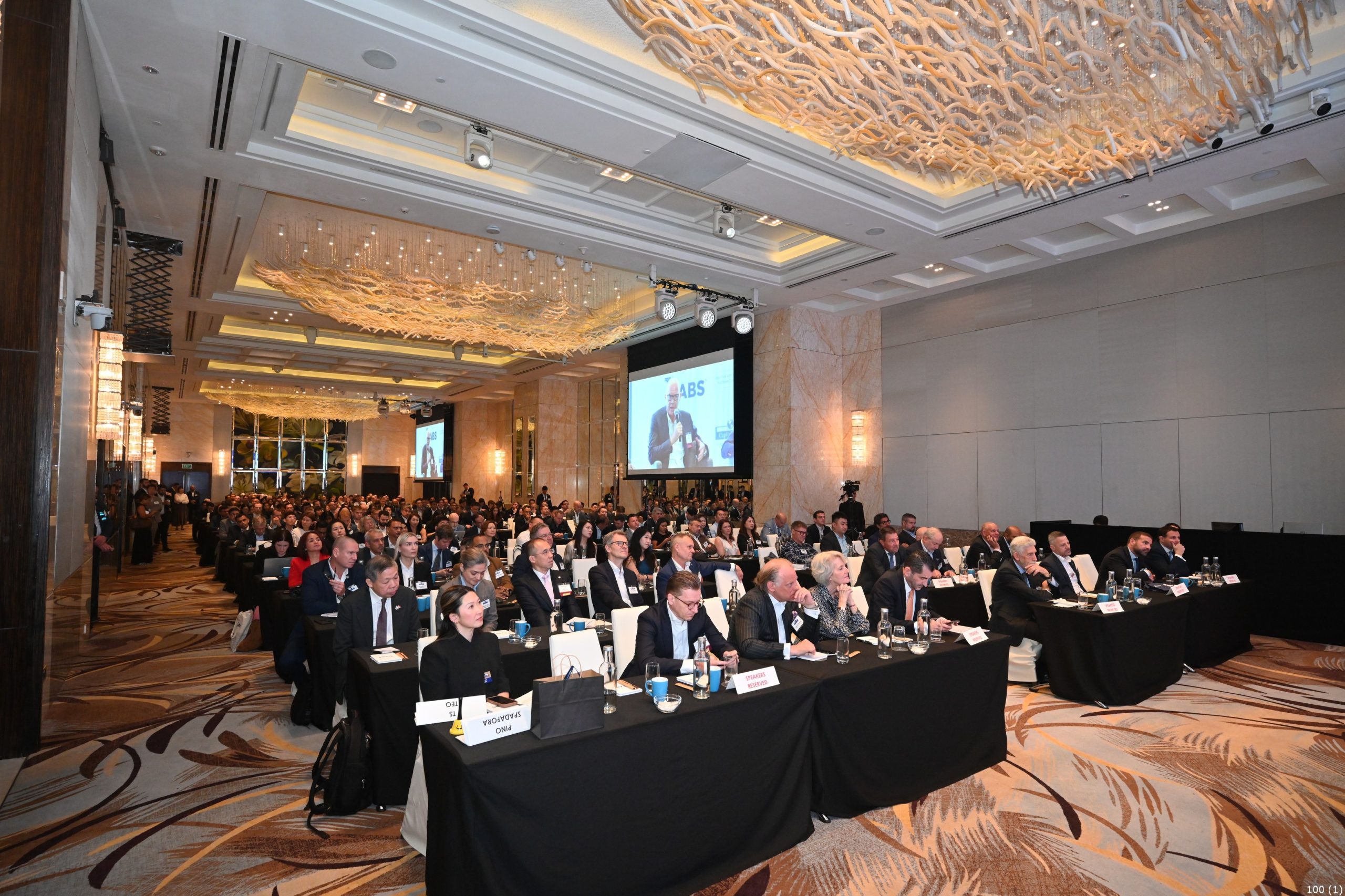
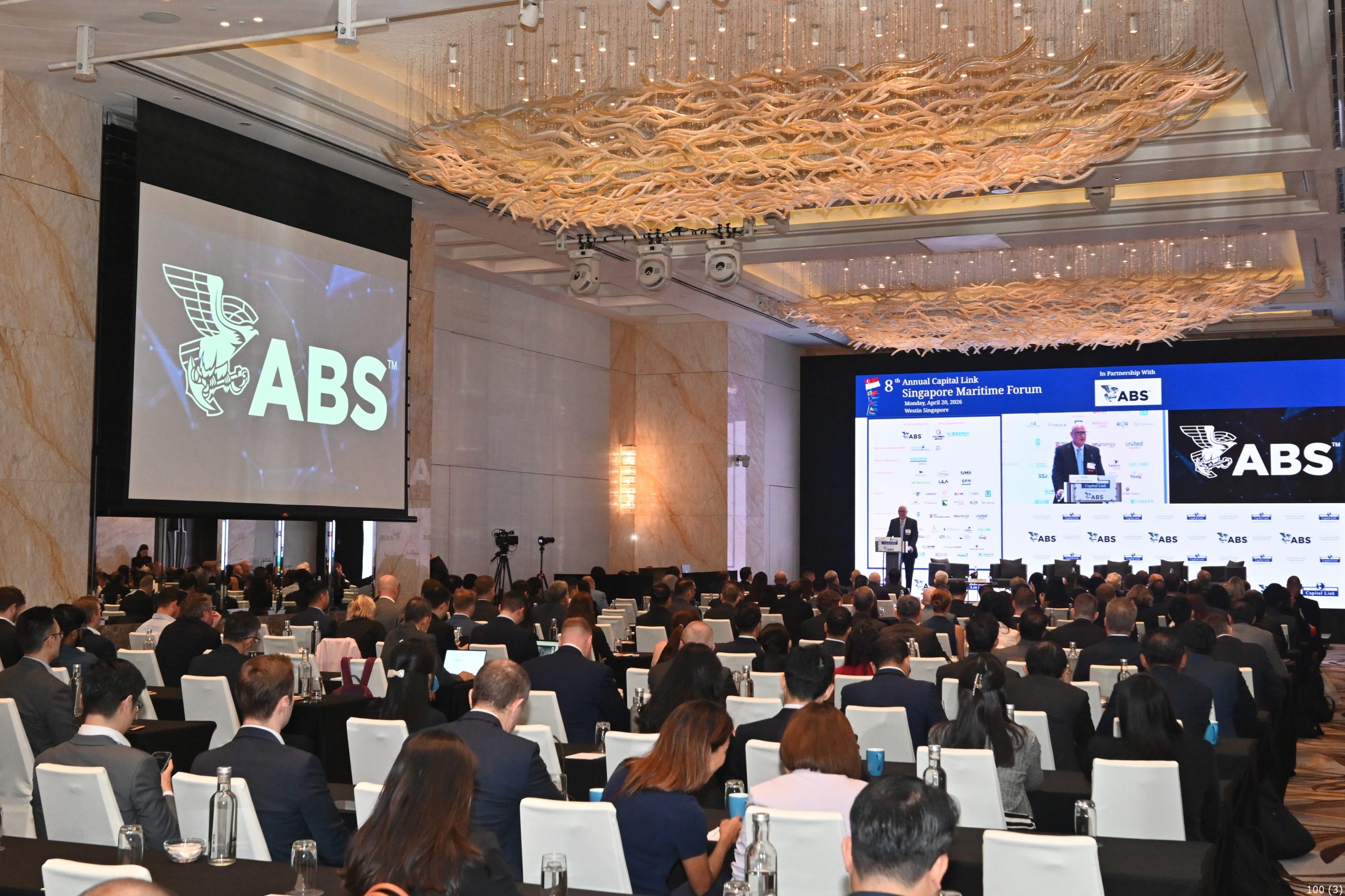
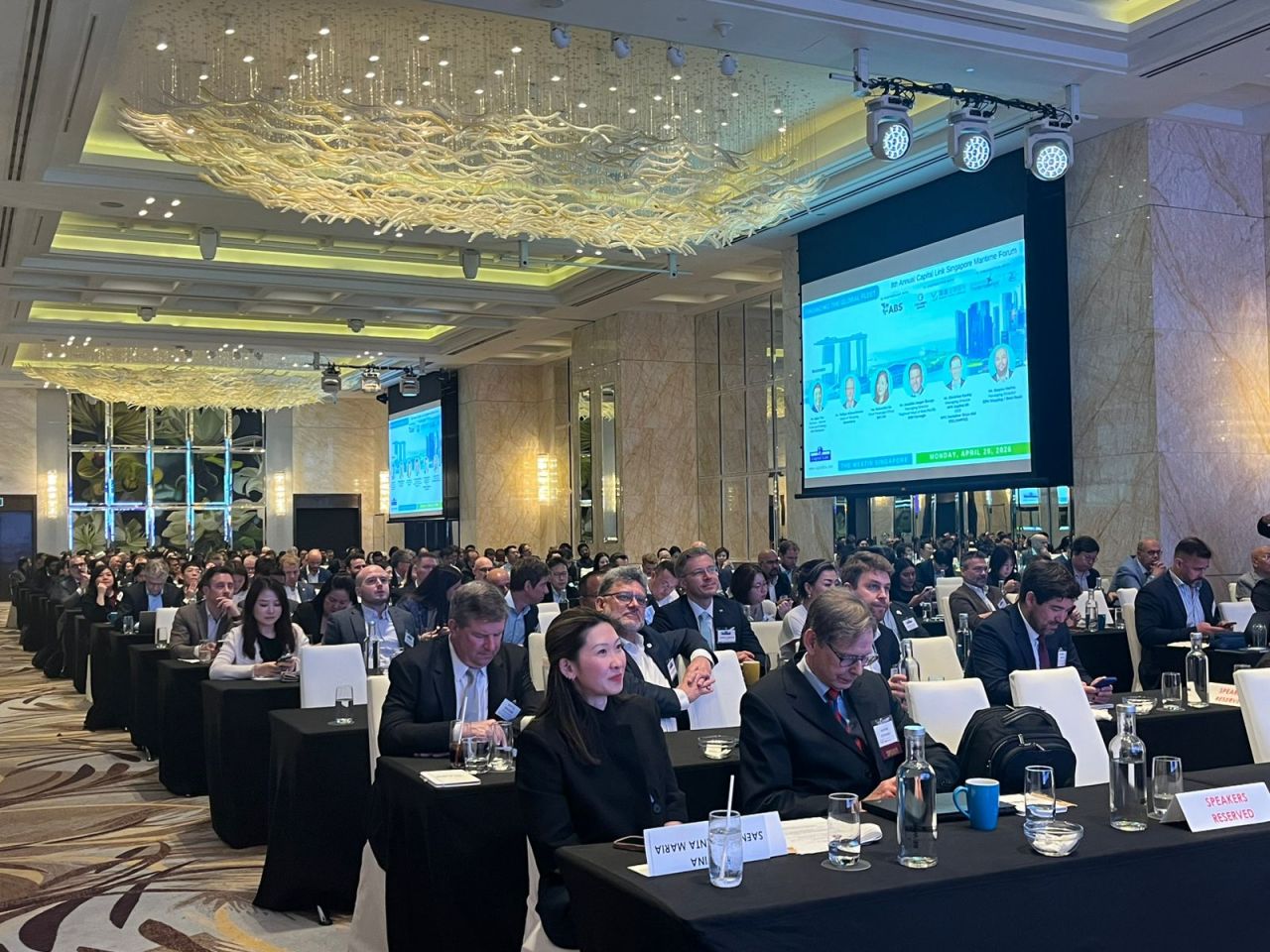
The 8th Annual Capital Link Singapore Maritime Forum took place this week at the Westin Singapore, during Singapore Maritime Week 2026, attracting more than 600 participants from across the global maritime community, according to Capital Link.
Held in partnership with ABS, and in cooperation with Columbia Shipmanagement and Singhai Marine Services, the forum brought together shipowners, charterers, financiers, regulators, insurers, classification societies and technology providers.
Discussions covered global trade disruption, Red Sea diversions, sanctions, decarbonisation, fleet performance, ship finance, the changing energy landscape and the role of charterers in a more volatile market.
Capital Link said the forum also highlighted Singapore’s role as a leading maritime hub at a time when shipping is being forced to respond to geopolitical tensions, market uncertainty and rapid technological change.
Opening remarks were delivered by Nicolas Bornozis, president of Capital Link, Demetris Chrysostomou, CEO Asia Region at Columbia Group, and Terence Zhao, managing director of Singhai Marine Services.
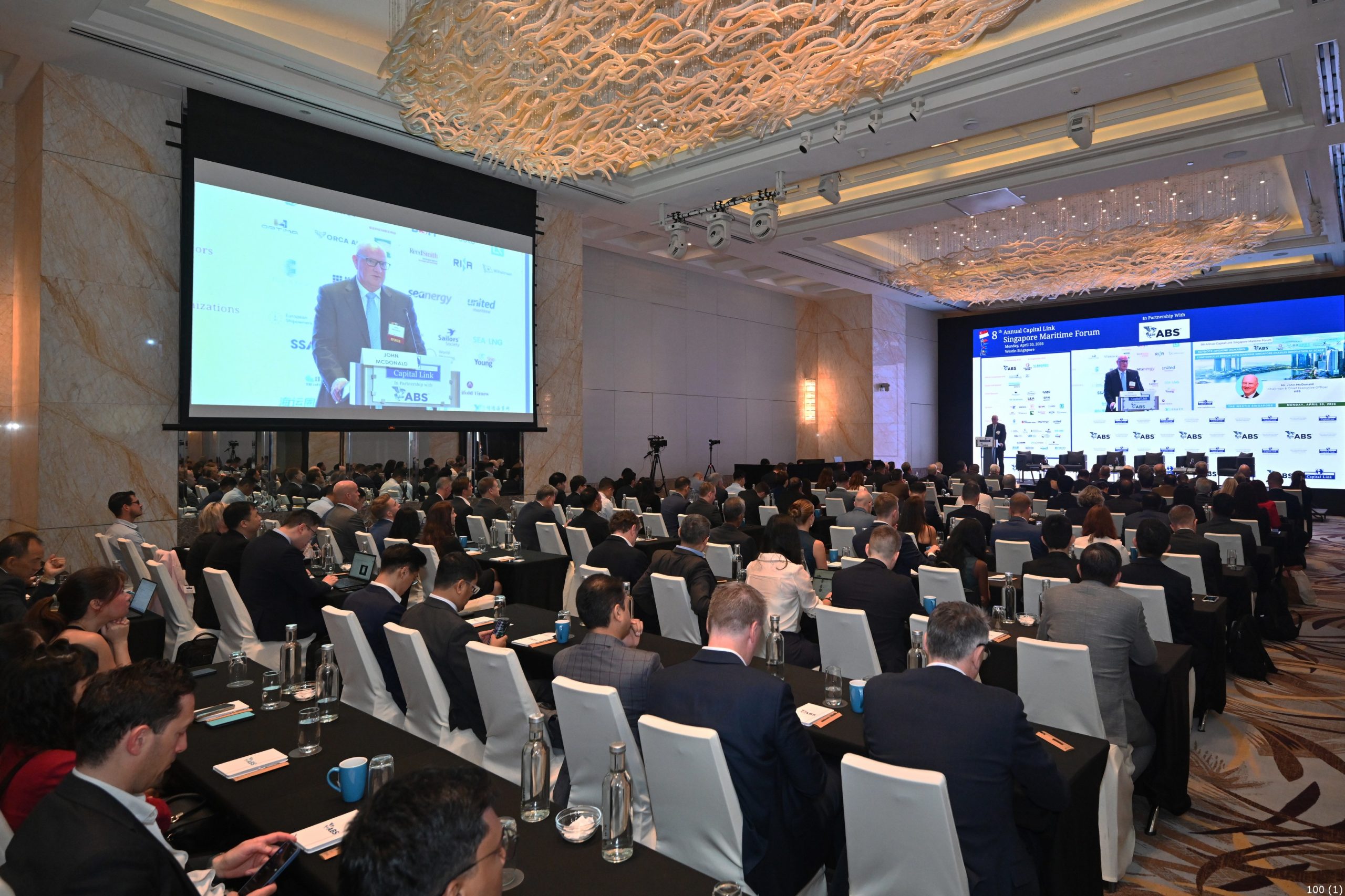
John McDonald, chairman and chief executive officer of ABS, delivered the keynote address, focusing on how Maritime Singapore enables innovation at scale.
He said the industry was “all pulling in the same direction but not always for the same reasons, and not always at the same pace”, with owners, regulators, crews and ports all experiencing change differently.
What they share, he said, is “a need for confidence”.
McDonald said the real barrier to maritime progress was not ambition, or even capital, but confidence that new fuels and energy-saving technologies can be used safely, that digital systems can hold up under pressure, and that today’s investment decisions will still make sense tomorrow.
“Without it, capital waits, projects slow down, and innovation remains stuck in pilot mode,” he said.
That, he added, is why Singapore’s approach matters.
Singapore, McDonald said, is not treating decarbonisation, digitalisation, automation and workforce development “as separate agendas”, but “as one operating system”.
Technology is being tested alongside regulation, infrastructure and skills, he said, describing this as “a smarter way to scale change and one from which the rest of the industry can learn”.
“Because in maritime, innovation does not scale when technology is ready. It scales when the whole system is ready,” he said.
McDonald said ABS would remain a classification society, but added that the challenges facing shipping no longer sit neatly in separate boxes.
Safety, energy, software, human performance, regulation and infrastructure now shape one another directly, he said, while ABS’ role is to help bring those elements together safely across the value chain.
“Classification has always been about confidence,” he said.
Today, he added, that confidence has to extend beyond the asset itself to the system around it, including how it is designed, powered and operated, how people are trained and how risk is managed.
McDonald said shipowners are being asked to make decisions in an environment still marked by uncertainty over fuel availability, infrastructure, regulation, technology maturity and long-term economics.
In that environment, he said, the right question is not which fuel to choose, but “which strategy gives us flexibility, resilience and a credible route through uncertainty?”
He also said operational efficiency is “an essential part of decarbonization, not a distraction from it”, while simulation can help test fuel operations, power failures, shore connections and port interactions before they become operational problems.
“Evidence matters because technology does not create confidence. Proof does,” he said.
The keynote also focused on software, artificial intelligence, robotics and electrification, with McDonald pointing to Singapore’s work on AI-enabled processes, including faster and more reliable port clearance.
At ABS, he said, AI is reshaping how risk is anticipated and operational integrity maintained across the fleet, while robotics is becoming “the next frontier”.
He also said Singapore’s focus on skills is important because maritime transformation cannot work without a workforce ready to operate new systems with confidence.
“The industry sometimes talks about technology as if people are the last step in the process. In reality, they are the system,” he said.
The forum then turned to global trade tensions, with a panel titled “The New Map of Global Shipping: Trade, Tensions, and Transformation”, moderated by Gregory Xu, partner at Reed Smith.
The discussion examined how Red Sea diversions, evolving sanctions regimes and broader geopolitical tensions are redrawing global trade routes, while also looking at the P&I market’s response to higher risks and shipowner strategies for managing disruption.
Xu said the panel also looked at “the critical role of industry bodies in working with governments to preserve shipping as the backbone of global trade, whilst cautioning against the dangers of unilateral regulatory measures”.
With vessels spending longer at sea, he added, crew welfare and retention emerged as pressing concerns.
The discussion also addressed obstacles to meeting IMO targets and EU ETS requirements, as well as whether current geopolitical pressures risk derailing sustainability momentum.
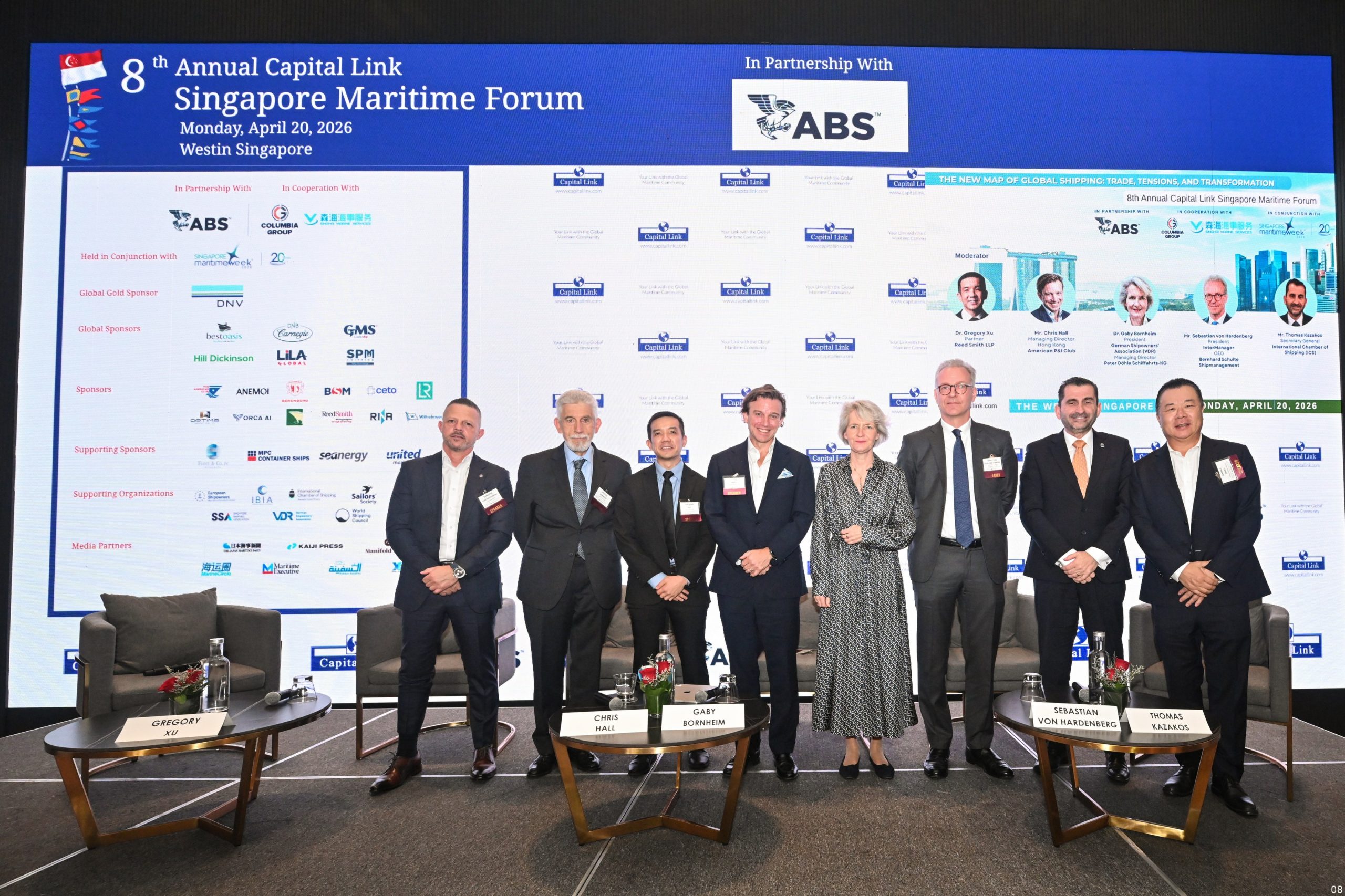
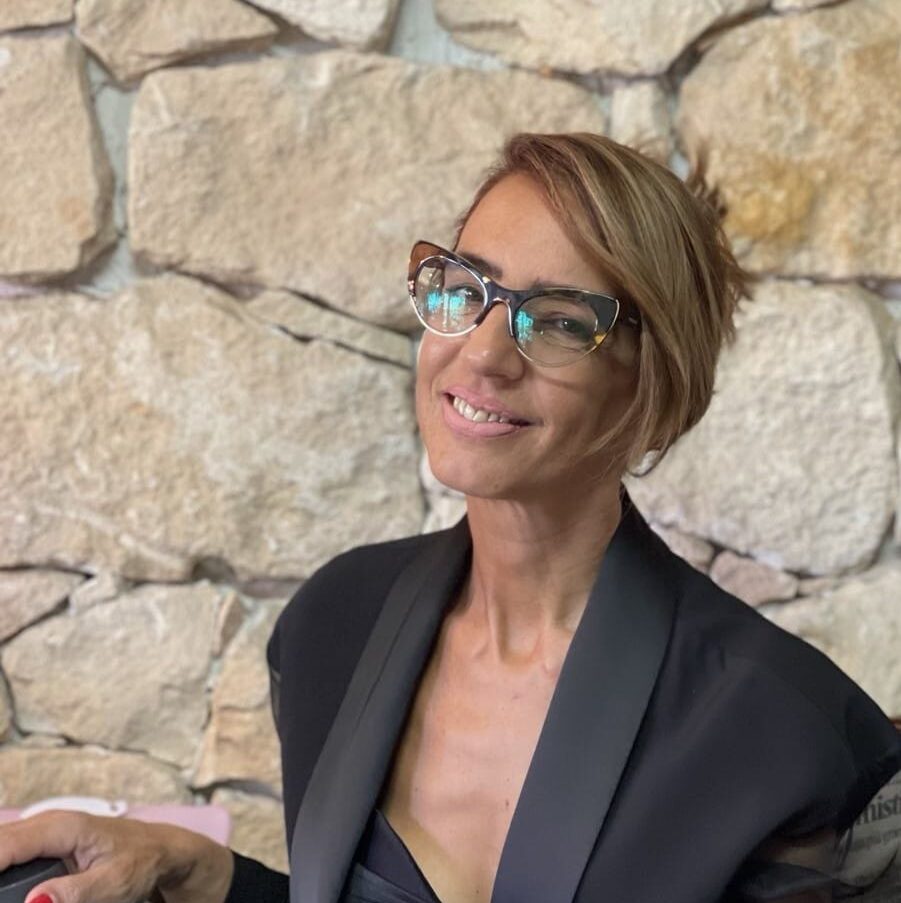
Gaby Bornheim, president of the German Shipowners’ Association and managing director of Peter Dohle Schiffahrts-KG, said geopolitics was putting direct pressure on shipping.
“From the Strait of Hormuz to intensifying global rivalries,” she said, geopolitics is “disrupting shipping and putting freedom of navigation and seafarers at risk”.
German shipping, she added, is calling for “united, decisive action to keep sea lanes open, defend the maritime rules-based order, and secure resilient seaborn global trade”.
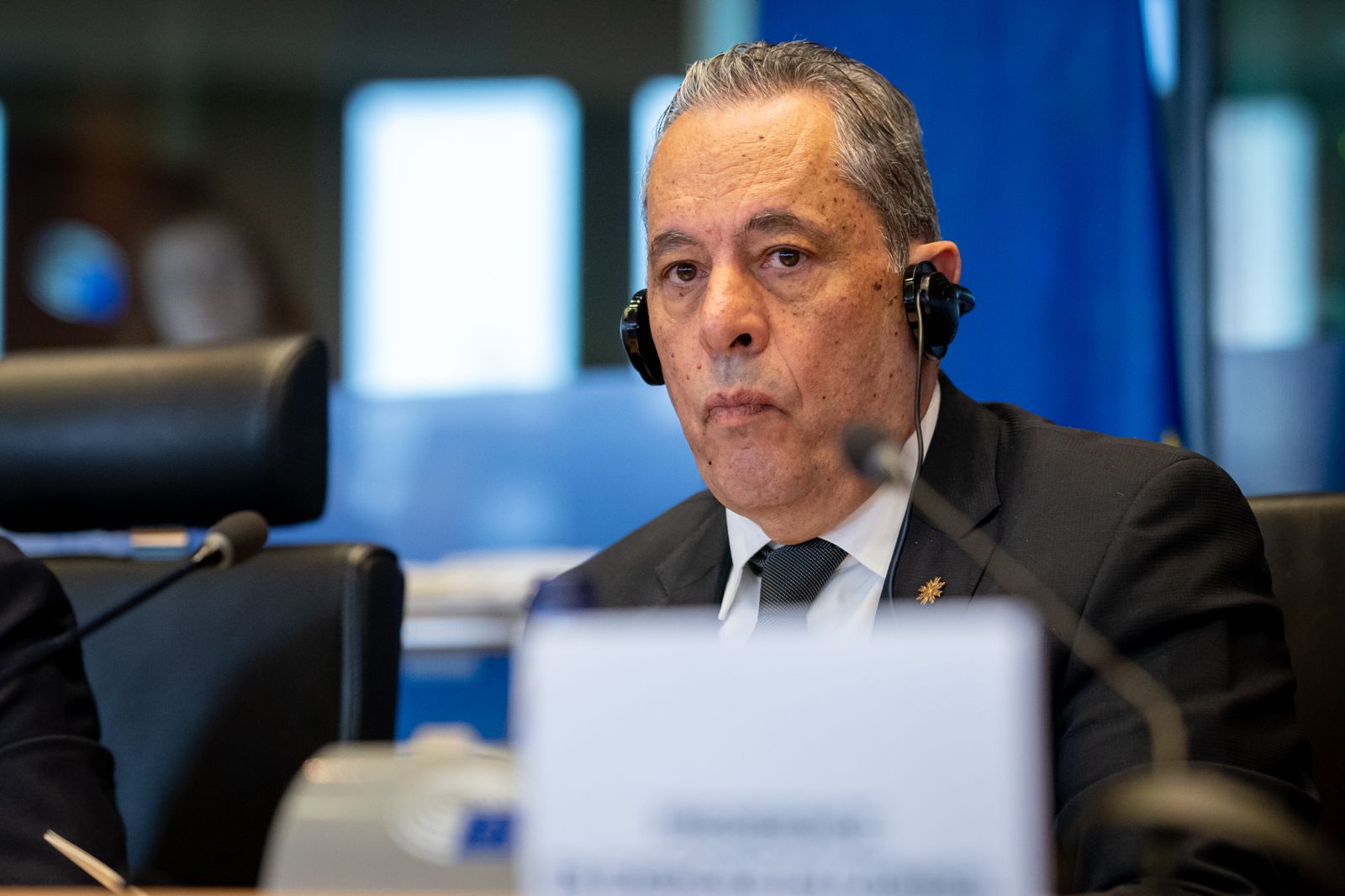
Thomas Kazakos, secretary general of the International Chamber of Shipping (ICS), said forums such as this were important because they allowed the industry to discuss its collective challenges and opportunities.
He said shipping is facing “one of the biggest challenges it has ever faced”, namely “the gradual erosion of the rules-based international order and respect for international law”.
“For shipping, this is not an abstract concern,” he said.
Freedom of navigation, legal certainty and the predictable application of international conventions, Kazakos said, are essential to the efficient movement of goods and to long-term investment decisions.
When international law is questioned, selectively applied or bypassed altogether, he said, “risks and costs increase and the ability of shipping to operate safely and efficiently is undermined”.
He added that shipping functions most effectively when it can operate without unnecessary barriers, although this does not mean an absence of regulation.
“On the contrary, shipping is one of the most comprehensively regulated sectors,” he said, with the International Maritime Organisation (IMO) providing “a globally agreed framework for safety, security and environmental performance”.
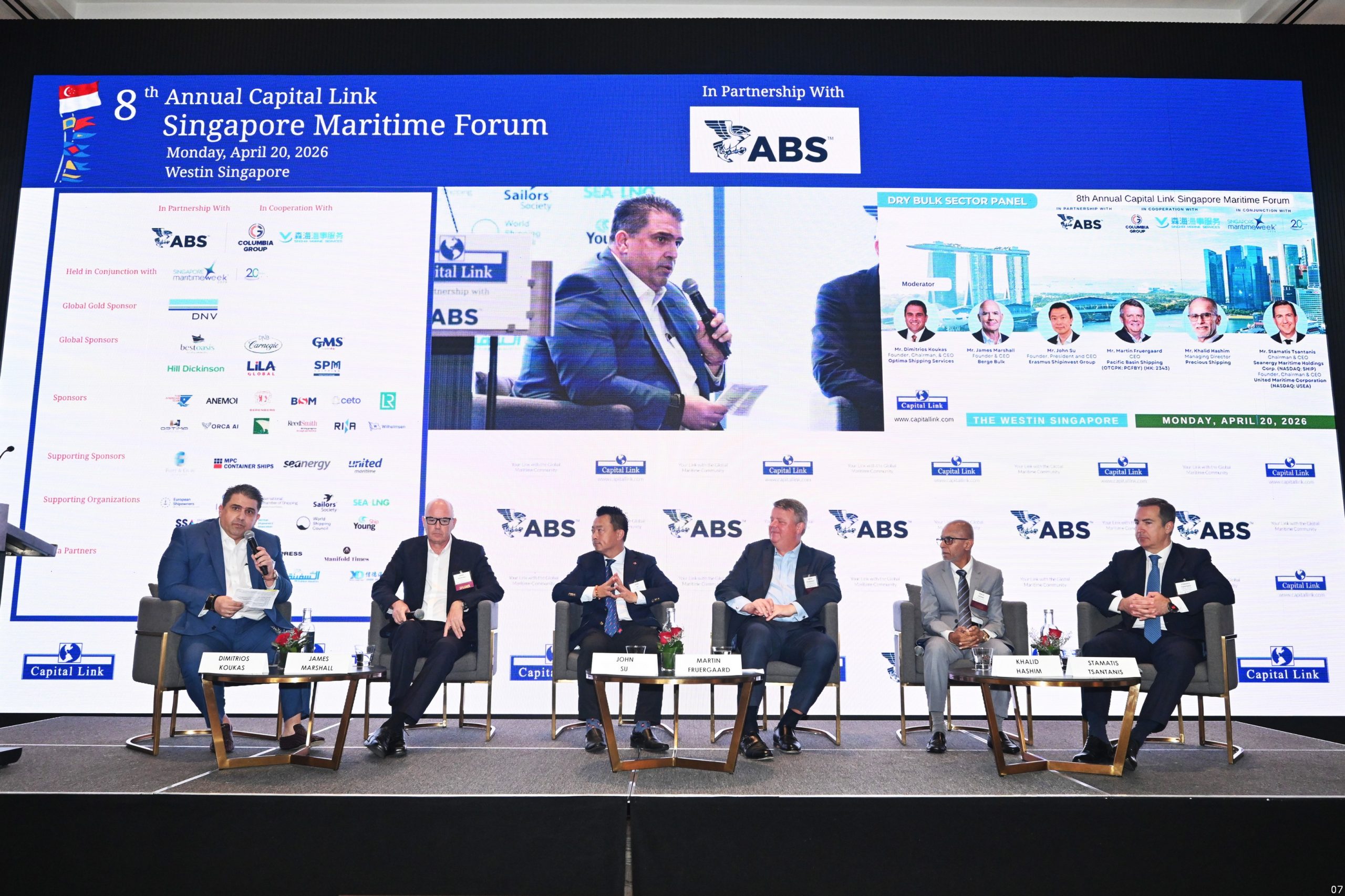
The forum also included a dry bulk sector panel, moderated by Dimitrios Koukas, founder, chairman and CEO of Optima Shipping Services.
The panel featured James Marshall, CEO and founder of Berge Bulk, John Su, founder, president and CEO of Erasmus Shipinvest Group, Martin Fruergaard, CEO of Pacific Basin Shipping, Khalid Hashim, managing director of Precious Shipping, and Stamatis Tsantanis, chairman and CEO of Seanergy Maritime Holdings and founder, chairman and CEO of United Maritime Corporation.
During the forum, the 2026 Capital Link Shipping Leadership Award was presented to Caroline Yang, CEO of Hong Lam Marine, former president of the Singapore Shipping Association and board member of the International Chamber of Shipping.
The award ceremony included introductory remarks by TS Teo, president of the Singapore Shipping Association and advisor to Pacific International Lines.
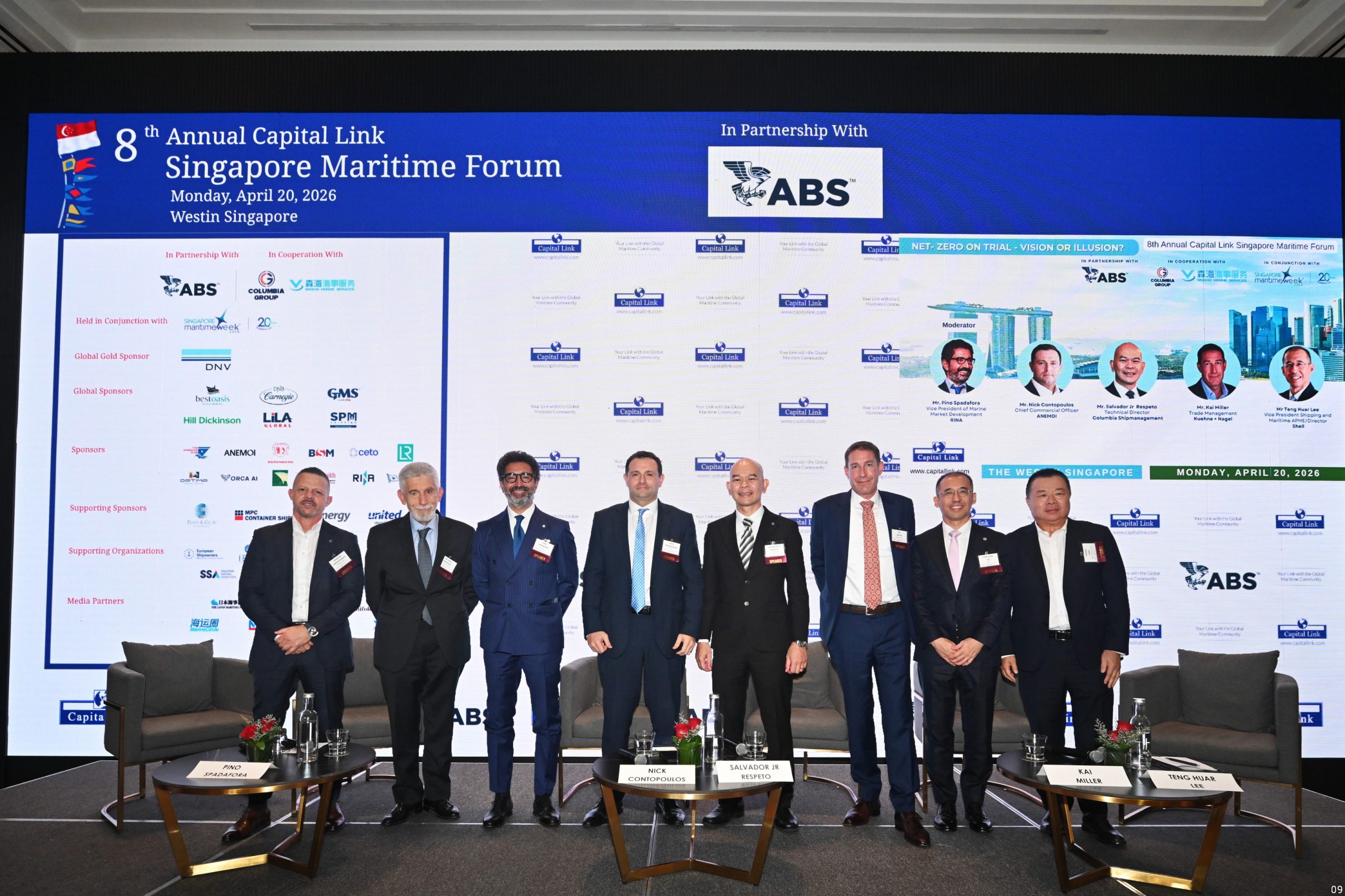
The programme then moved to decarbonisation, with a panel titled “Net-Zero on Trial – Vision or Illusion?”, moderated by Pino Spadafora, vice president of marine market development at RINA.
The panel included Nick Contopoulos, chief commercial officer at Anemoi, Salvador Jr Respeto, technical director at Columbia Shipmanagement, Kai Miller, trade management at Kuehne + Nagel, and Teng Huar Lee, vice president shipping and maritime APME/director at Shell.
Contopoulos said that, with fuel price volatility increasing and energy security under pressure, wind propulsion “should be an obvious choice”.
“It is free renewable energy delivered at source,” he said.
However, he added that without strong external drivers such as global regulation, the emphasis is on energy efficiency technologies proving value on their own while they are still scaling.
That, he said, shifts the focus to operational and performance efficiencies.
For Anemoi, this means “delivering measurable returns”, including enhanced vessel efficiency, higher asset value and “meaningful lifetime fuel savings from Rotor Sails”.
Miller said logistics companies such as Kuehne + Nagel have a crucial role in the decarbonisation of shipping, acting as intermediaries between freight owners and tonnage operators.
They help customers navigate regulatory change and optimise costs, he said, by selecting the most efficient transport solutions for their needs.
“We make emissions data transparent for shippers via our seaexplorer.com platform,” he said, adding that this empowers them “to take informed choices”.
Through Scope 3 emissions reduction solutions for beneficial cargo owners, Miller said Kuehne + Nagel enables “a de facto sharing of the green premium” and helps build a viable market for alternative fuels.
“Our approach is fuel-agnostic, market-based, and does not rely on long-term subsidies,” he said.
Fleet performance was addressed in a separate panel titled “Optimizing Fleet Performance – From Human Capital to Digital Tools”, moderated by Varun Iyer Mani, fleet operations director at Columbia Shipmanagement.
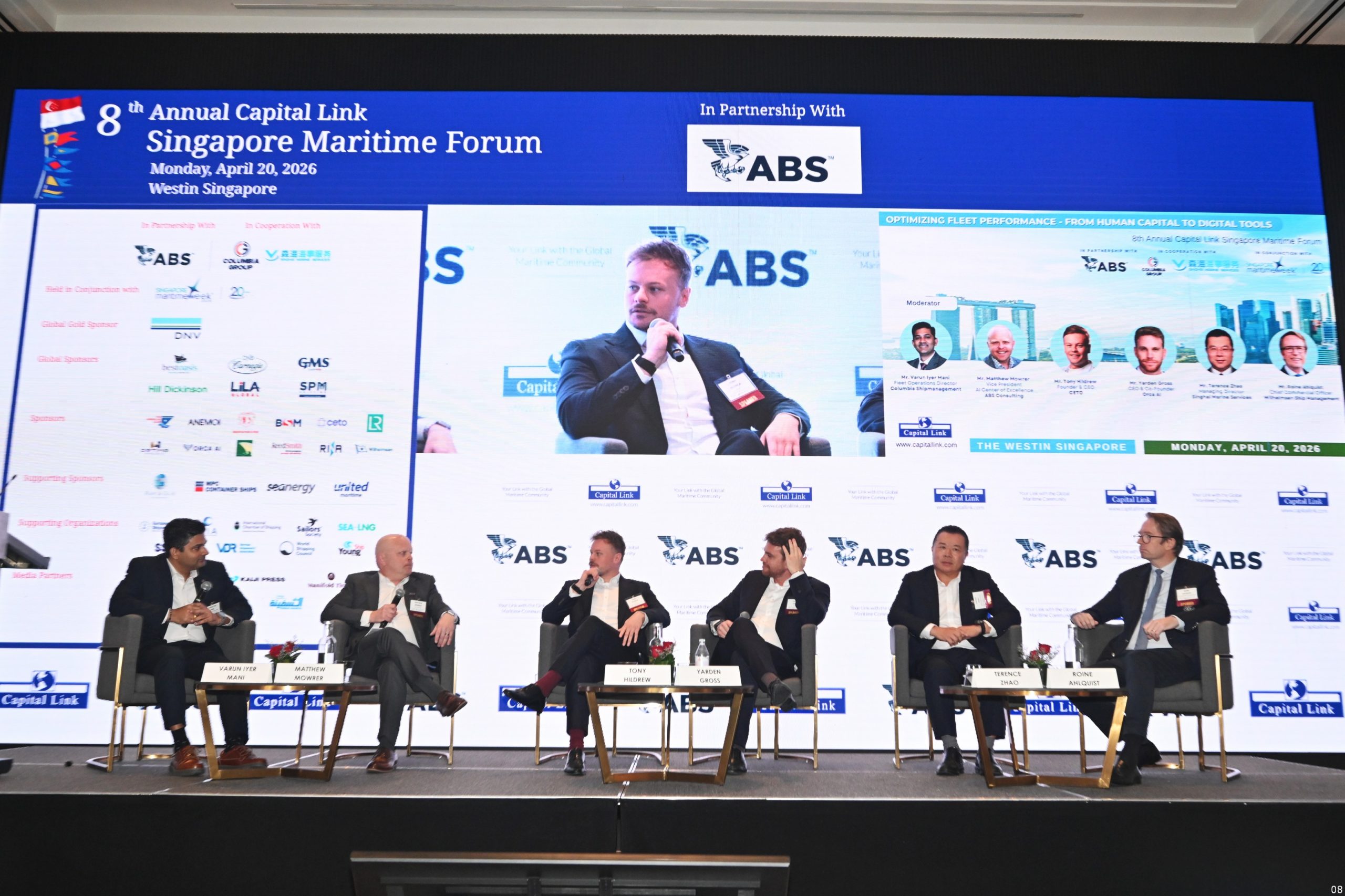
The panel included Matthew Mowrer, vice president, AI Center of Excellence at ABS Consulting, Tony Hildrew, founder and CEO of Ceto, Yarden Gross, CEO and co-founder of Orca AI, Terence Zhao, managing director of Singhai Marine Services, and Roine Ahlquist, chief commercial officer of Wilhelmsen Ship Management.
Hildrew said the maritime industry faces “regular uncertainty”, with geopolitical risk, regulatory chaos and reactive practices making it difficult to navigate global trade.
Looking ahead, he said, the industry must keep in mind that “data will sit at the core”.
He also challenged shipowners “to take ownership of their own data”, saying that without it the industry will not be able to provide the predictability needed to operate sustainably.
“The organisations that invest early will reap the rewards, the best time to start is today,” he said.
Although there is significant regulatory and contractual inertia to overcome, he added, technical collaboration and urgency across all stakeholders will unlock “the sector transformation we’ve been talking about for years”.
The forum also featured a session on “The Future of Shipping” with Martin Stopford, before moving to ship finance.
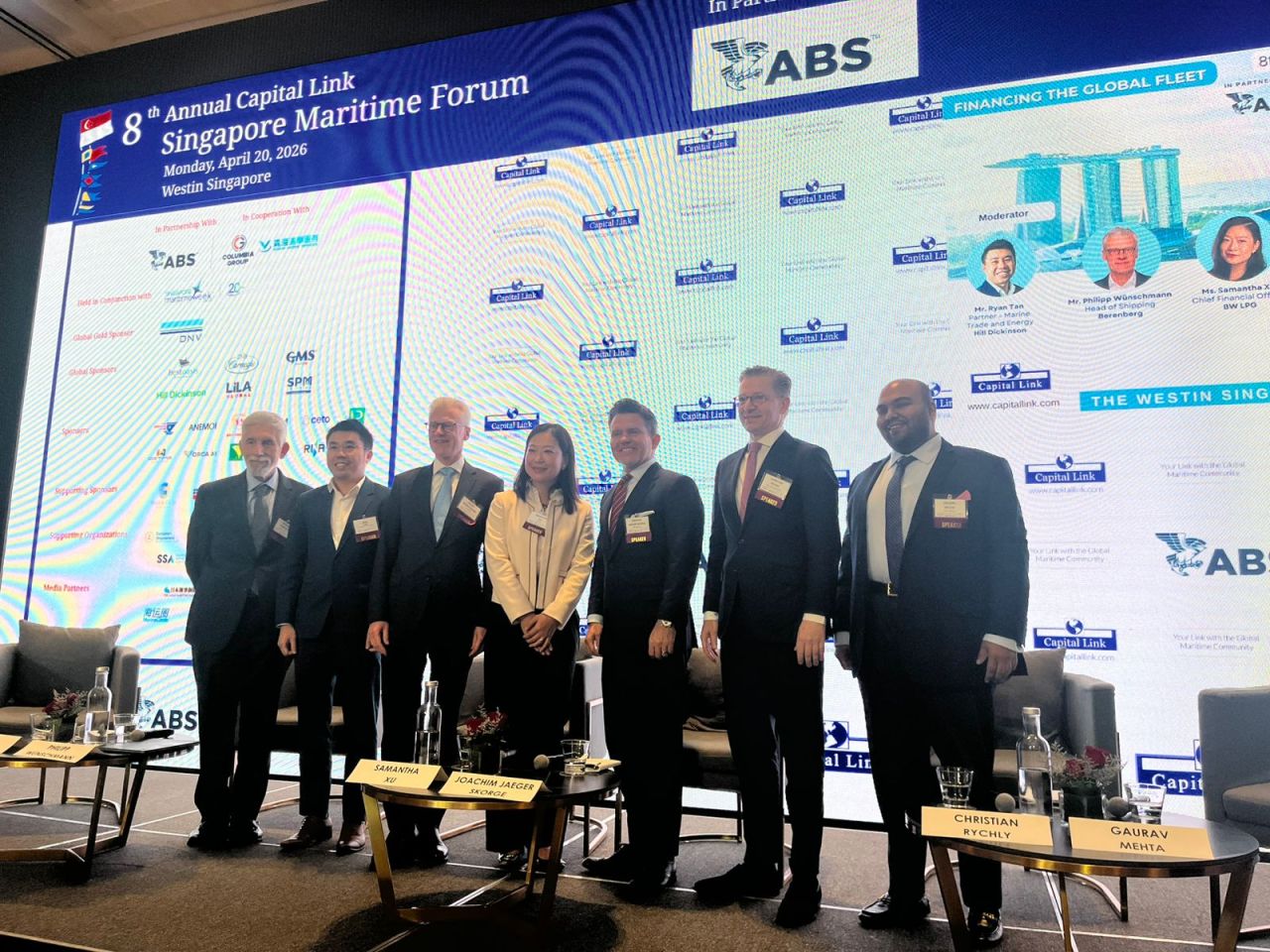
The financing panel, titled “Financing the Global Fleet”, was moderated by Ryan Tan, partner for marine, trade and energy at Hill Dickinson.
It included Philipp Wünschmann, head of shipping at Berenberg, Samantha Xu, chief financial officer at BW LPG, Joachim Jaeger Skorge, managing director and regional head of Asia-Pacific at DNB Carnegie, Christian Rychly, managing director at MPC Capital and COO of MPC Container Ships, and Gaurav Mehta, managing director of SPM Shipping/Best Oasis.
Samantha Xu said geopolitical events have increased the complexity of the shipping business.
BW LPG, she said, stays focused on its core and on “not being speed-blind in a positive market”, while steering the business to remain resilient against market and geopolitical uncertainties.
This applies, she added, “both in financing and in our strategic and commercial decisions”.
Mehta said the gathering brought together some of the most prominent figures in global shipping, including shipowners, financiers, regulators, insurers and industry leaders.
He said the quality of speakers and the depth of discussion stood out, while the conference helped enhance understanding of lending products, financing structures and the evolving dynamics shaping maritime finance.
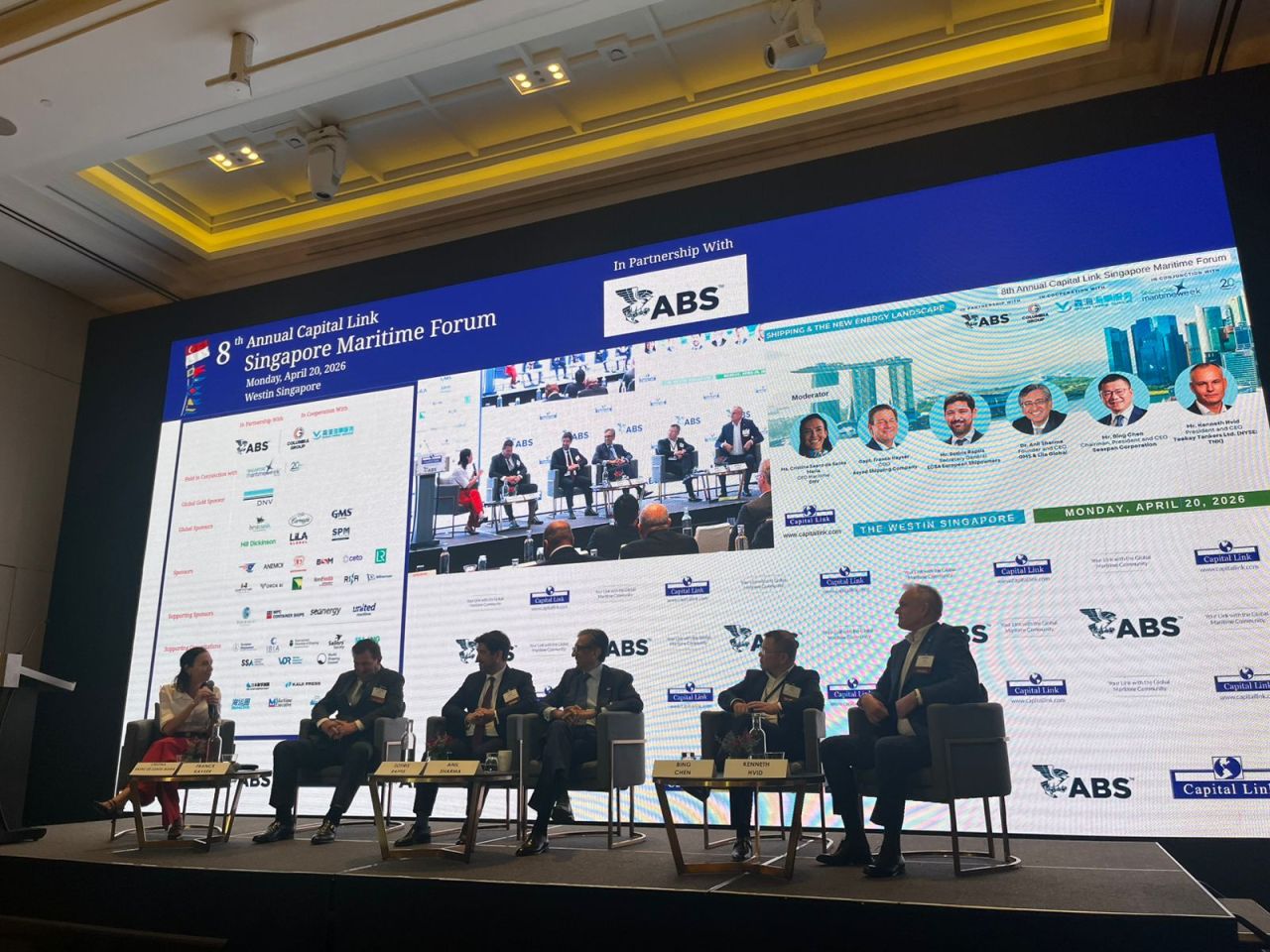
Shipping’s new energy landscape was then discussed in a panel moderated by Cristina Saenz de Santa Maria, chief executive officer, maritime, at DNV.
The panel included Franck Kayser, chief operating officer of Asyad Shipping Company, Sotiris Raptis, secretary general of European Shipowners, Anil Sharma, founder and CEO of GMS and Lila Global, Bing Chen, chairman, president and CEO of Seaspan Corporation, and Kenneth Hvid, president and CEO of Teekay.
Saenz de Santa Maria said the discussion was “both lively and insightful”, with panellists offering diverse perspectives on the forces reshaping shipping, from geopolitics and regulation to technology and finance.
While the path ahead may feel “more unpredictable than ever”, she said, discussions such as this underline the value of open dialogue and collaboration.
“They give me real confidence that, by working together, the industry can turn ambition into action and make meaningful progress towards its sustainability goals,” she said.
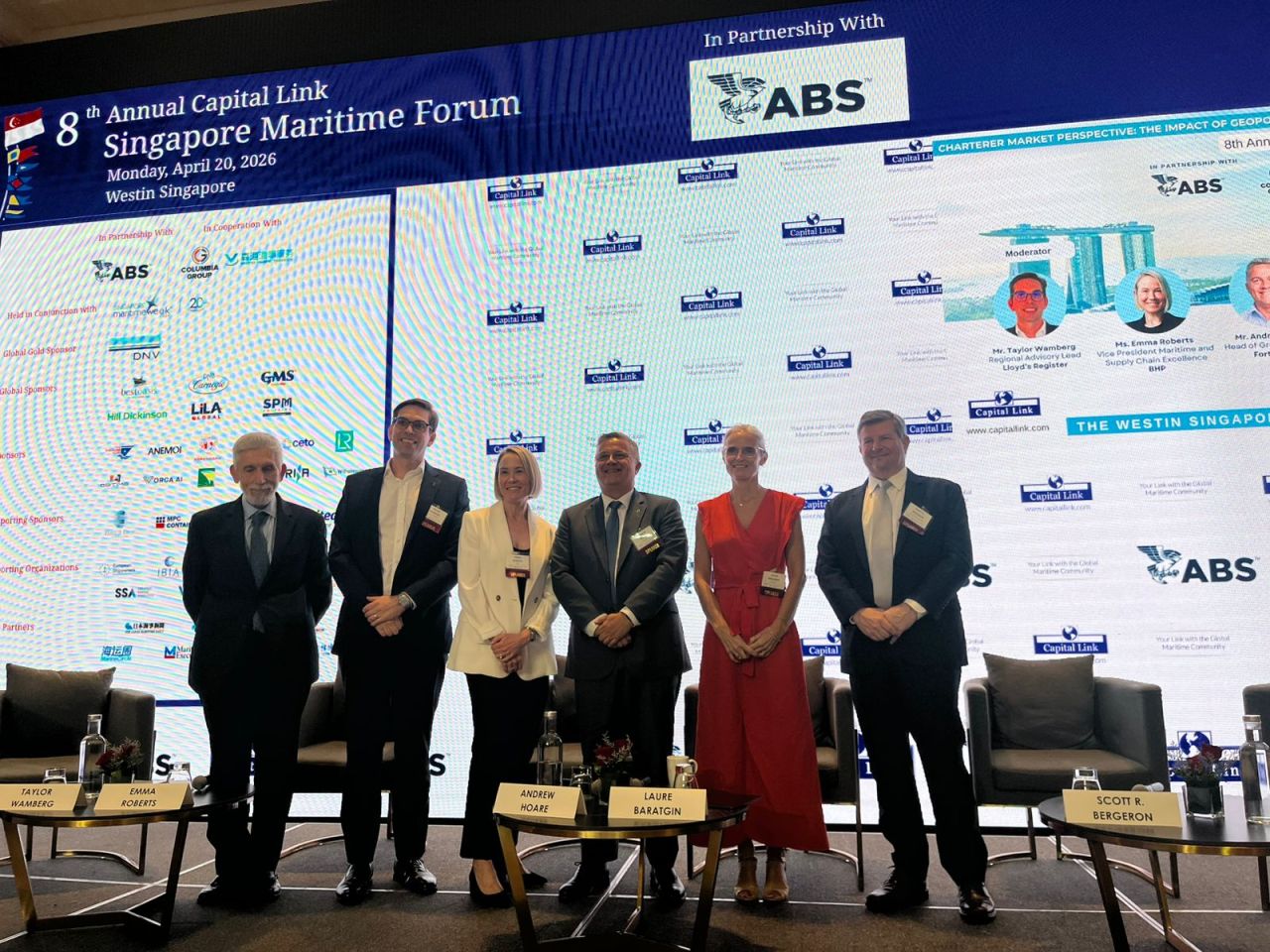
The final major discussion focused on the charterer market perspective and the impact of geopolitics, regulation, technology and fuels.
Moderated by Taylor Wamberg, regional advisory lead at Lloyd’s Register, the panel included Emma Roberts, vice president maritime and supply chain excellence at BHP, Andrew Hoare, head of green shipping at Fortescue, Scott R. Bergeron, managing director, fleet, at Oldendorff Carriers, and Laure Baratgin, head of commercial operations at Rio Tinto.
Roberts said that, as one of the world’s largest dry bulk charterers, BHP’s focus on supply chains, relationships and partnerships has never been more important, particularly as the sector navigates “one of the most complex periods we’ve seen in decades”.
“The global economy is resilient, but highly uncertain, with disruption almost constant,” she said.
The industry, she added, has continued to manage through this “with resilience”.
Roberts said the history of the maritime industry is proof of this, with shipping becoming “the backbone of global trade” and increasingly focused on the digital optimisation of safety and performance.
BHP’s maritime team, she said, is central to supporting the company’s operational priorities and customers.
Looking ahead, Roberts said the aspiration is for the industry to be technology driven, innovative and better positioned to accelerate decision-making and the cycle-time of the shipping supply chain.
Many of the major opportunities, she added, cut across the entire ecosystem, including digitisation, productivity and decarbonisation.
“Partnerships are critical to these – the value chain needs to solve for these together,” she said.
The forum was organised by Capital Link in partnership with ABS, in cooperation with Columbia Shipmanagement and Singhai Marine Services, and with DNV as global gold sponsor.
It was also supported by a wide range of maritime organisations, including European Shipowners, the International Chamber of Shipping, the Singapore Shipping Association, the German Shipowners’ Association, the World Shipping Council and Young Ship Singapore.



Click here to change your cookie preferences