
Hopes of a diplomatic breakthrough in the US-Israeli war with Iran faded on Sunday as efforts to revive negotiations stalled, with both Tehran and Washington showing little sign of compromise.
Iranian Foreign Minister Abbas Araqchi returned to the Middle East after mediation talks in Pakistan, while Donald Trump cancelled a planned visit to Islamabad by envoys Steve Witkoff and Jared Kushner.
Although a ceasefire has halted full-scale fighting in the conflict, which began with joint strikes on Iran on February 28, no agreement has been reached on terms to end a war that has killed thousands, pushed up oil prices and increased pressure on global growth.
Tehran has largely closed the Strait of Hormuz, through which about a fifth of global oil and liquefied natural gas shipments normally pass, while Washington has maintained a blockade on Iranian ports.
Iranian President Masoud Pezeshkian told Pakistani Prime Minister Shehbaz Sharif that Tehran would not enter what he described as “imposed negotiations” under pressure or blockade, according to an official statement.
He said the US must first remove obstacles, including the maritime blockade, before meaningful talks could begin.
Araqchi described his visit to Pakistan as “very fruitful” before travelling to Oman, another mediator, where he held discussions with Sultan Haitham bin Tariq al-Said. He is expected to continue diplomatic efforts with a visit to Russia.
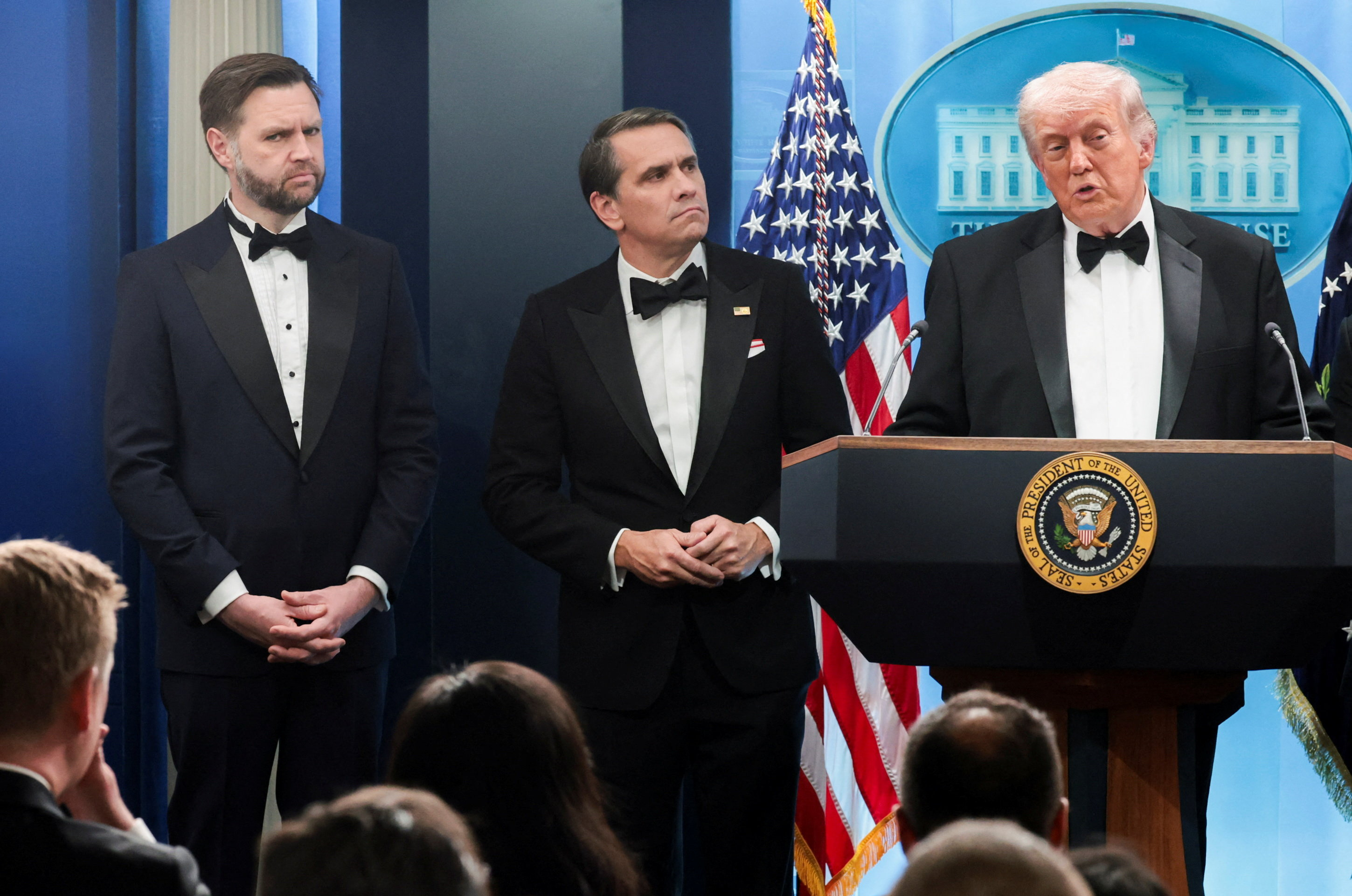
Trump said he cancelled the envoy visit due to the cost and travel involved, as well as what he viewed as insufficient concessions from Iran.
“Iran offered a lot, but not enough,” he said.
In a social media post, Trump added that there was “tremendous infighting and confusion” within Iran’s leadership.
“Nobody knows who is in charge, including them. Also, we have all the cards, they have none. If they want to talk, all they have to do is call,” he wrote.
Iranian officials rejected suggestions of internal divisions. Pezeshkian said there were “no hardliners or moderates” and that the country remained united behind its leadership, a position echoed by senior figures including Mohammad Baqer Qalibaf.
The conflict has further destabilised the Middle East, with Iran striking Gulf states and renewed fighting between Israel and Hezbollah in Lebanon.
Israeli Prime Minister Benjamin Netanyahu on Saturday ordered intensified strikes on Hezbollah positions, testing an already fragile ceasefire.
Earlier, White House press secretary Karoline Leavitt said some progress had been observed from the Iranian side and that Vice President JD Vance remained ready to travel to Pakistan following an initial round of talks that failed to produce a breakthrough.

Click here to change your cookie preferences