
India’s Prime Minister Narendra Modi is technically not upper caste, but he does have a high opinion of himself. “When my mother was alive, I used to believe that I was born biologically,” Modi told an interviewer two years ago. “After she passed away, reflecting on all my experiences, I was convinced God had sent me.”
Modi could use some help from God at this point, because his government has stumbled into a confrontation with the nation’s frustrated and angry youth. Half of India’s population is under 30, and although the economy is growing very fast (7 per cent last year) it is mostly ‘jobless growth’ (40 per cent graduate unemployment).
In retrospect, early 2024 was the time of ‘peak Modi’. He was convinced that his Bharatiya Janata Party (BJP-Indian People’s Party) would win a two-thirds majority in parliament in the upcoming election, after which he would change the constitution, put an end to the secular state, and build the Hindu-ruled religious state of his dreams.
The 290 million Indian citizens who are not Hindus – one-fifth of the population, mostly Muslim – would become second-class citizens under that new regime. The BJP never publicly admits that this is its destination, but its paramilitary mass organisation, the Rashtriya Swayamsevak Sangh (RSS), is quite open about it.
It was all going so well – but then the BJP didn’t do at all well in the 2024 election. It needed a coalition with two small regional parties just to scrape a bare majority in the Lok Sabha (lower house of parliament.) As for changing the constitution, forget it.
The BJP’s trajectory had stalled. It still had the support of the mass media (mostly bought and paid for) and probably of the older generation of Hindus. So long as non-Hindus and lower-caste Hindus kept voting against Modi’s God-given project, however, it wasn’t going to happen. Modi’s solution was to launch the biggest gerrymandering attempt in world history.
The electoral rolls in India had always been maintained in a non-partisan way, but in 2023 Modi appointed new election commissioners who would do his bidding. They weren’t in office in time to do anything about the 2024 election, but they are certainly well placed to do his will now.
The BJP knew that its ‘Hindu nationalist’ supporters would be loyal to the end, but that lower-caste Hindus and religious minorities were abandoning Modi’s party. You can often guess how people will vote by their family names or where they live, so Modi’s strategists just started removing likely opposition voters from the electoral rolls.
There were 968 million registered voters in India a year ago, but the BJP-controlled Election Commission has been carrying out a ‘Special Intensive Revision’ – and it has already purged 130 million voters from the list.
It is extremely unlikely that one-sixth of all Indian voters have died or moved leaving no forwarding address in the past five years. It is, however, extremely likely that an implausibly high proportion of the missing voters are Muslims, other non-Hindus and lower-caste Hindus.
This is daylight robbery, but electoral rolls are not sexy. It took a bunch of students to drag it out into plain sight.
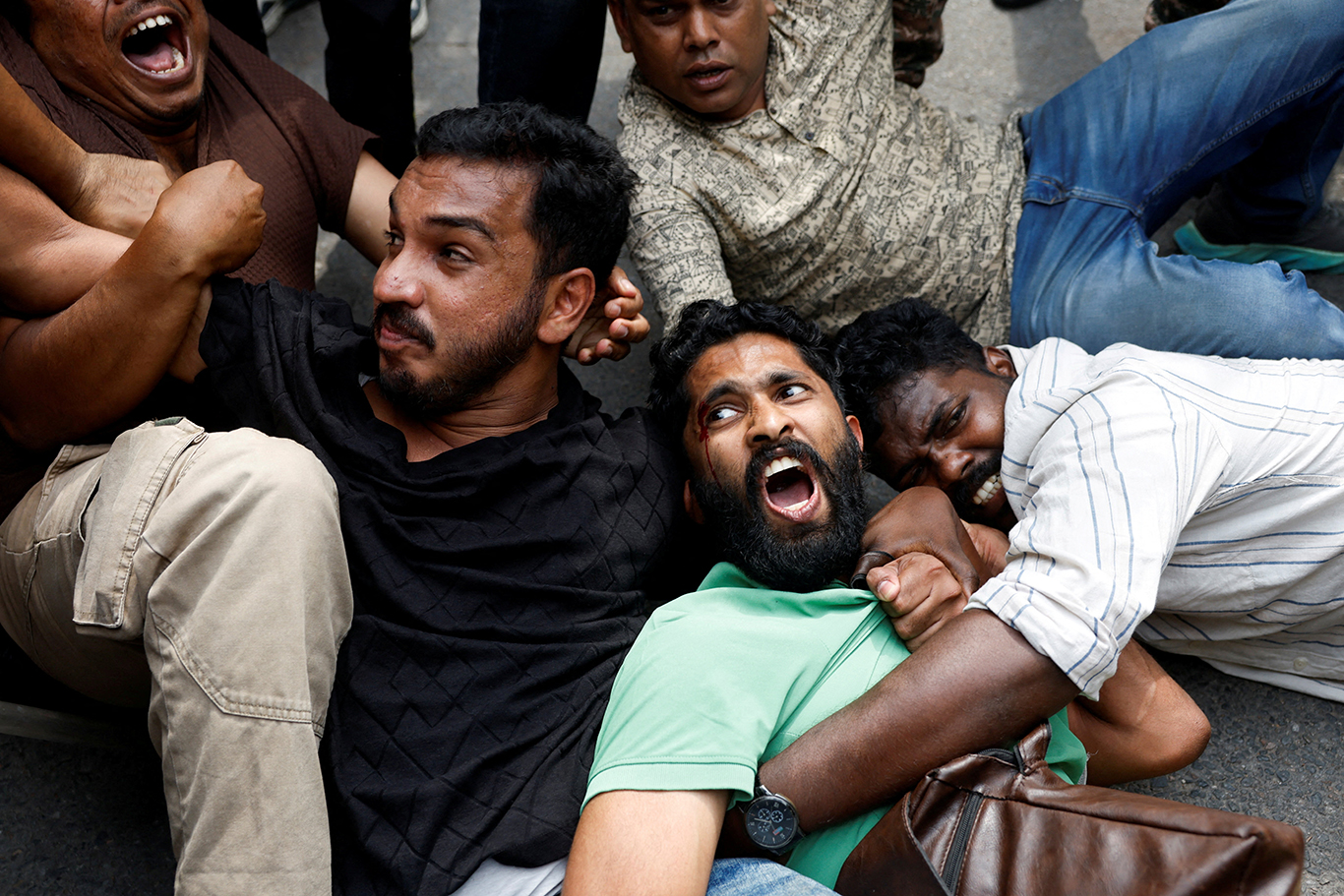
An unemployed graduate called Abhijeep Dipke picked up on a casual remark by the Chief Justice calling people like him ‘cockroaches’ and set up a satirical website accusing the BJP of incompetence and corruption. He called it the Cockroach Janata Party (CJP) and it took off like a rocket. Within weeks mass protests forced the education minister to resign.
The young founders of the CJP knew they had created a powerful political lever, and by September they realised what their next target must be: the giant gerrymander that has already delivered two big states, West Bengal and Bihar, into the hands of the BJP. (Next national elections are in 2029.)
So the CJP is now demanding the resignation of the chief of the Election Commission, Gyanesh Kumar, and most days the streets of Delhi are filled with young protesters. The BJP is not yet defeated, but it is on the defensive. Stay tuned.




Click here to change your cookie preferences