
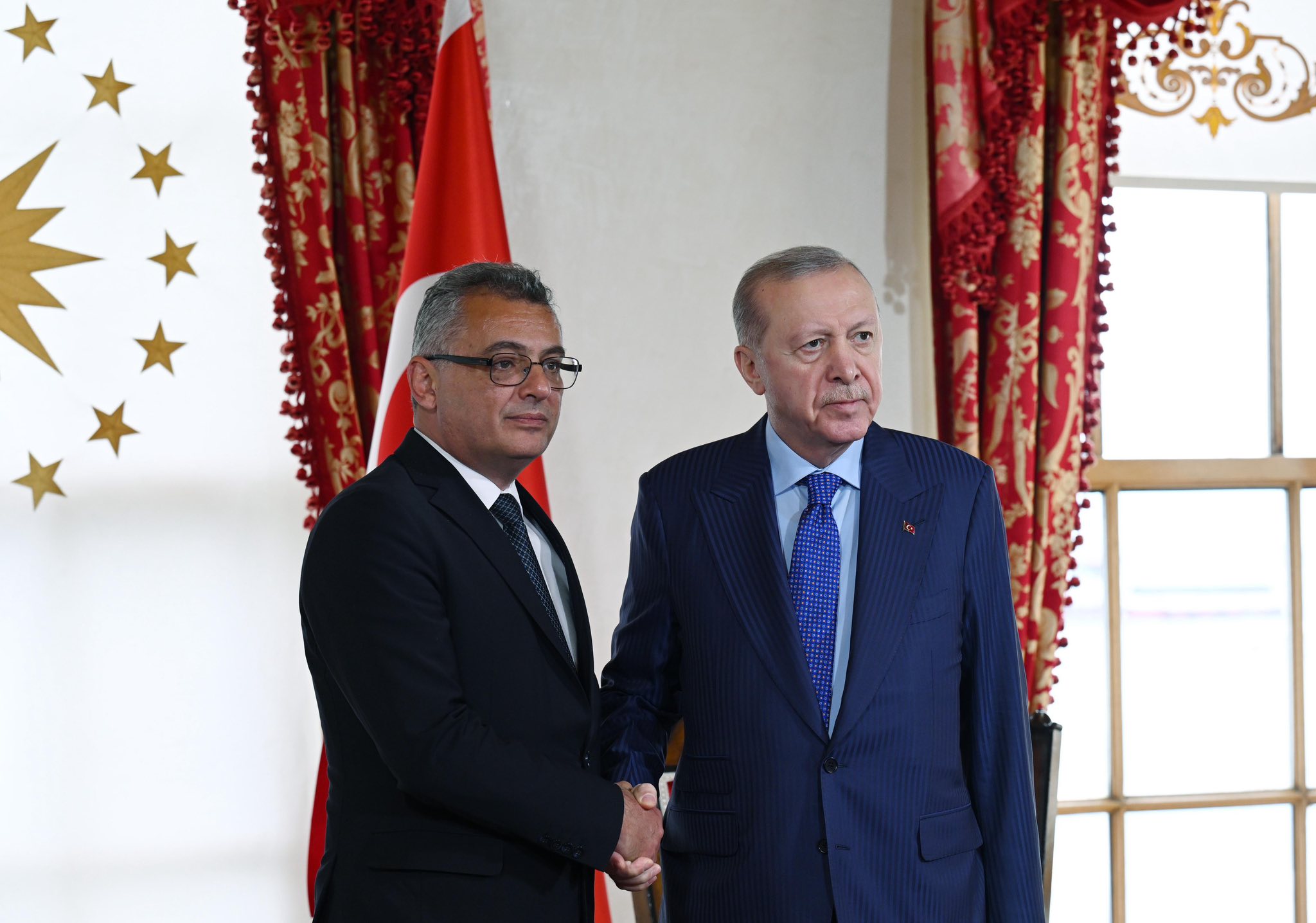
Turkish Cypriot leader Tufan Erhurman on Friday promised that he had “initiated the necessary steps” to resolve the matter of Cypriot art professor Senih Cavusoglu being refused entry to Turkey.
“I learned last night that Senih Cavusoglu was unable to enter Turkey and was experiencing difficulties. Following a conversation with him, I initiated the necessary steps,” he wrote in a post on social media.
He added that “the relationship between the Republic of Turkey and Turkish Cypriots is extremely special and important”, and that as such, “many of our citizens who have faced entry bans in Turkey completed their higher education there and have friendships and memories there”.
“These people have the right to receive information from us, the administrators of the Turkish Republic of Northern Cyprus, regarding the procedures to which they are subject and the reasons for them, and to request the correction of any errors or inaccuracies in those procedures,” he said.
He said he was “saddened by the difficulties Senih Cavusoglu is experiencing” but added that “I am also aware that my duty as president is not merely to be saddened”.
“It is public knowledge that since I took office, I have raised this issue in all my meetings with the Republic of Turkey’s relevant authorities. This includes my most recent meeting. Our efforts to resolve the uncertainties and the problems in this matter will continue,” he said.
Cavusoglu reported on Thursday evening that he had been turned back from Antalya airport, having appeared on Turkey’s “N-82” list.
At present, it is believed that around 15 Turkish Cypriots are on one of Turkey’s N-82 and G-82 lists. Having one’s name on the former means that one must apply in advance to the Turkish embassy in their country for pre-clearance to enter the country, while being on the G-82 list entails an outright ban from entering Turkey.
Neither list is publicly available, and as such, those on it generally do not find out until they arrive in Turkey.
The N-82 designation is listed by the Turkish government as “juristic preference” – in short, that Turkey has decided to exempt the individual from the unabridged right of entry. The G-82 designation is reserved for individuals deemed by the Turkish government to have “acted against national security”.
Earlier on Friday, former Turkish Cypriot leader Mustafa Akinci had moved to defend Cavusoglu, saying that the professor, “besides being an artist, is a decent human being”.
“He is clean and moral. He has a style which explains his thoughts with humour, and he is a valuable asset to us,” he said.
He then criticised the Turkish authorities for refusing him entry, saying that “the mentality which continues to treat our citizens who express their opinions using freedom of expression as terrorists at airports will surely find its place in the dustbin of history”.

Click here to change your cookie preferences